The digital landscape is evolving at an unprecedented pace, driven by an explosion of data generated at the furthest reaches of our networks. From smart cities and connected vehicles to industrial IoT and augmented reality, the demand for instantaneous data processing is skyrocketing. This insatiable need for speed and efficiency is propelling the convergence of two powerful paradigms: edge computing and cloud computing. This strategic fusion, known as Edge Cloud Integration, isn’t just a technological trend; it’s a fundamental shift promising to revolutionize how we process and interact with data, with projections indicating a staggering 30% acceleration in data processing by 2026.
For decades, cloud computing has been the dominant force, offering unparalleled scalability, flexibility, and cost-effectiveness for data storage and processing. However, as data volumes grow and applications demand ultra-low latency, the centralized nature of traditional cloud infrastructures presents inherent limitations. This is where edge computing steps in, bringing computation and data storage closer to the source of data generation. The synergy between these two models creates a distributed computing architecture that can handle the complexities of modern data ecosystems, providing a robust foundation for future innovations.
This article will delve deep into the world of Edge Cloud Integration, exploring its core principles, the compelling benefits it offers, the challenges that need to be addressed, and the transformative impact it will have across various industries. We will uncover why this integrated approach is not merely an option but a necessity for businesses striving for real-time insights, enhanced operational efficiency, and a competitive edge in an increasingly data-driven world.
Understanding Edge Cloud Integration: A Synergistic Approach
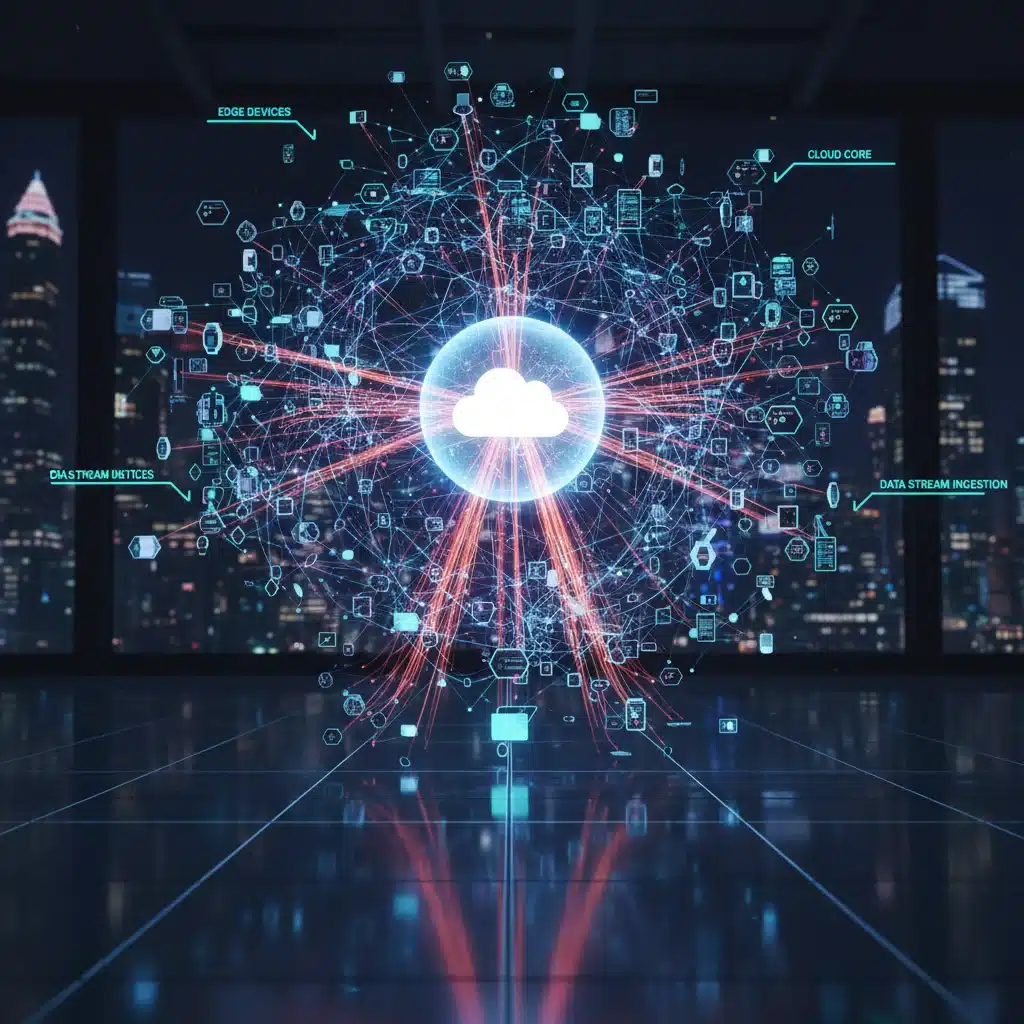
At its heart, Edge Cloud Integration is about creating a seamless, distributed computing environment where workloads can be intelligently processed and managed across both edge devices and centralized cloud data centers. It’s not about replacing one with the other, but rather leveraging the strengths of each to create a more resilient, efficient, and responsive infrastructure.
What is Edge Computing?
Edge computing refers to the practice of processing data near the source of its generation, rather than sending it all the way to a central data center or cloud. This localized processing occurs on ‘edge devices’ – which can range from IoT sensors, smart cameras, and industrial controllers to local servers and mini data centers – effectively bringing computational power closer to the ‘edge’ of the network. The primary benefits of edge computing include:
- Reduced Latency: By processing data locally, the time it takes for data to travel to a central server and back is significantly reduced, enabling near real-time responses.
- Lower Bandwidth Consumption: Only processed or aggregated data needs to be sent to the cloud, reducing the amount of data transmitted over networks and lowering bandwidth costs.
- Enhanced Security: Local processing can reduce the exposure of sensitive data by keeping it within a controlled perimeter before it ever reaches the wider network or cloud.
- Improved Reliability: Edge devices can operate autonomously even when connectivity to the central cloud is intermittent or unavailable.
What is Cloud Computing?
Cloud computing, on the other hand, involves delivering on-demand computing services—including servers, storage, databases, networking, software, analytics, and intelligence—over the Internet (‘the cloud’). Cloud providers like AWS, Azure, and Google Cloud offer massive scalability, flexibility, and a pay-as-you-go model. Key advantages include:
- Massive Scalability: Easily scale resources up or down based on demand.
- Cost-Effectiveness: Eliminate the need for large capital expenditures on hardware and infrastructure.
- Global Reach: Access computing resources from anywhere in the world.
- Advanced Analytics and AI: Centralized cloud platforms are ideal for complex data analytics, machine learning, and AI model training due to their immense processing power and storage capabilities.
The Power of Integration
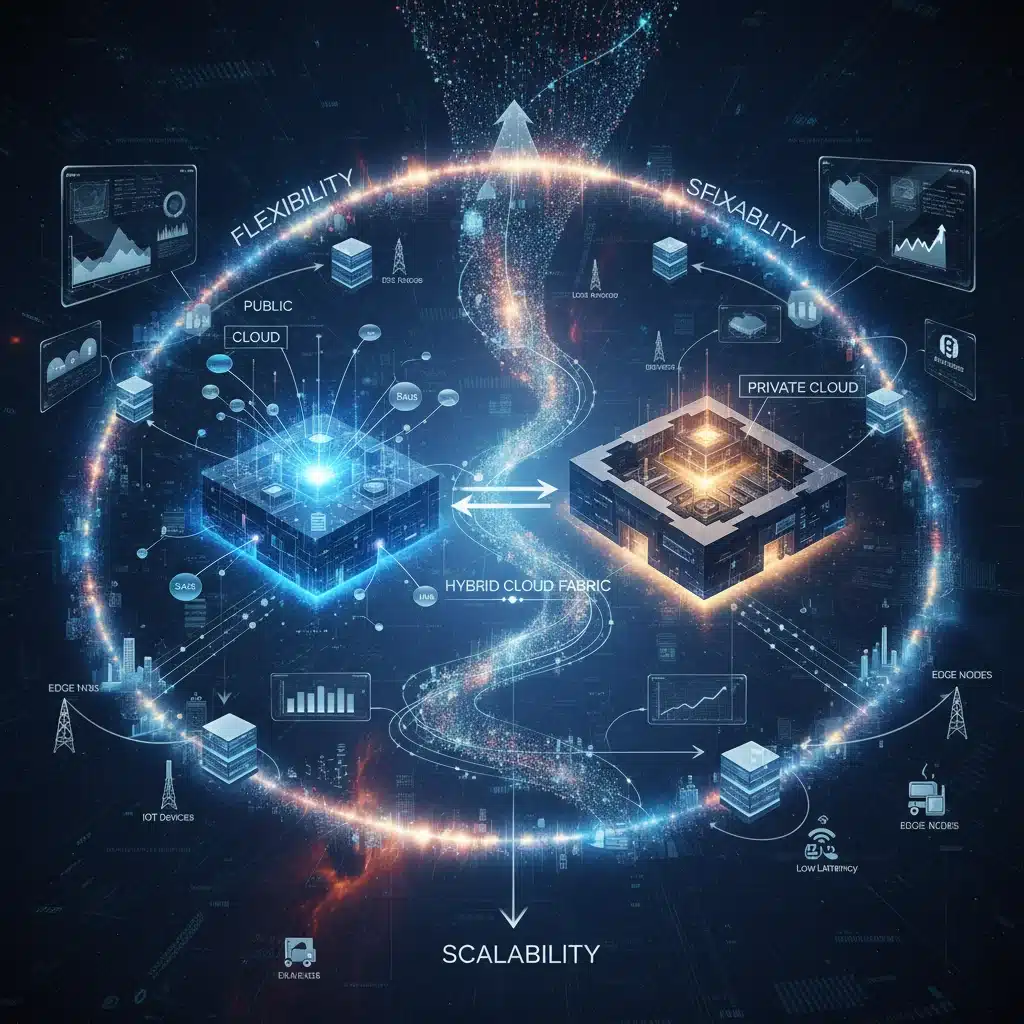
Edge Cloud Integration merges these two powerful models. It creates an intelligent continuum where data can be captured, processed, and analyzed at the most optimal location. Simple, time-sensitive tasks are handled at the edge, while more complex, long-term analytics, historical data storage, and global insights are managed in the cloud. This intelligent orchestration ensures that each component plays to its strengths, leading to a more efficient and effective overall system. The result is a dynamic infrastructure capable of handling the diverse demands of modern applications, from ultra-low latency operations to massive data warehousing and complex AI training.
The Promise of 30% Faster Data Processing by 2026
The projection of 30% faster data processing by 2026 through Edge Cloud Integration is not an arbitrary number; it’s a reflection of the profound efficiencies gained by this distributed architecture. Several factors contribute to this significant acceleration:
Minimizing Latency and Maximizing Throughput
The most immediate and impactful benefit of Edge Cloud Integration is the drastic reduction in data latency. By processing critical data at the edge, organizations can achieve near real-time decision-making. Consider an autonomous vehicle: every millisecond counts when navigating traffic. Sending sensor data to a distant cloud for processing and awaiting a response is simply not viable. Edge computing handles these immediate decisions, while the cloud can be used for long-term route optimization, map updates, and fleet-wide learning. This distributed processing model dramatically increases the overall throughput of actionable information.
Optimized Resource Utilization
Instead of overwhelming central cloud servers with raw, unfiltered data, edge devices perform preliminary processing, filtering out noise and sending only relevant, aggregated, or critical data to the cloud. This intelligent data pre-processing reduces the computational load on cloud resources, allowing them to focus on higher-value tasks like complex analytics and AI model training. This optimized resource utilization translates directly into faster processing cycles and more efficient use of expensive cloud infrastructure.
Enhanced Network Efficiency
The sheer volume of data generated by IoT devices can quickly overwhelm network bandwidth. Edge Cloud Integration alleviates this pressure by processing data locally, significantly reducing the amount of data that needs to traverse wide area networks (WANs). This not only lowers network costs but also frees up bandwidth for other critical applications, contributing to an overall faster and more responsive digital environment.
Accelerated AI and Machine Learning at the Edge
While the cloud remains essential for training large-scale AI models, edge devices are increasingly capable of running inference (applying trained models to new data). This means AI-powered insights can be generated directly at the source, enabling applications like real-time anomaly detection in manufacturing, predictive maintenance on machinery, or instant facial recognition for security. The feedback loop between edge inference and cloud model refinement becomes much faster, leading to continuously improving and more agile AI systems.
Key Benefits of Edge Cloud Integration
Beyond faster data processing, the integration of edge and cloud computing delivers a multitude of strategic advantages for businesses across various sectors:
Improved Operational Efficiency
By enabling real-time insights and automated responses at the edge, businesses can optimize their operations significantly. In manufacturing, predictive maintenance driven by edge analytics can prevent costly equipment failures. In logistics, real-time tracking and route optimization can improve delivery times. The ability to make immediate, data-driven decisions at the point of action leads to streamlined workflows and reduced downtime.
Enhanced Security and Compliance
Processing sensitive data at the edge, within a controlled local environment, can bolster security posture. Data can be anonymized or aggregated before being sent to the cloud, reducing the risk of data breaches. Furthermore, for industries with strict data residency requirements, edge computing allows for local data processing and storage, helping organizations meet compliance regulations more effectively.
Greater Business Agility and Innovation
The distributed nature of Edge Cloud Integration fosters greater agility. Businesses can deploy new applications and services closer to their customers or operational sites, allowing for rapid iteration and innovation. This flexibility enables organizations to respond quickly to market changes, experiment with new technologies (like AR/VR), and deliver personalized experiences that were previously impossible.
Cost Savings
While there’s an initial investment in edge infrastructure, the long-term cost benefits are substantial. Reduced bandwidth consumption, optimized cloud resource usage, and improved operational efficiency all contribute to significant cost savings. By intelligently distributing workloads, businesses can avoid unnecessary data transfers and exorbitant cloud processing fees for raw, unprocessed data.
New Revenue Streams and Business Models
Edge Cloud Integration opens doors to entirely new business models and revenue opportunities. Companies can offer real-time data services, predictive analytics as a service, or enhanced customer experiences leveraging localized processing. For example, retailers can use edge AI for personalized in-store recommendations, while healthcare providers can offer remote patient monitoring with real-time alerts.
Challenges in Implementing Edge Cloud Integration
While the benefits are compelling, implementing a robust Edge Cloud Integration strategy is not without its challenges. Organizations must carefully consider and plan for these hurdles:
Complexity of Management and Orchestration
Managing a distributed architecture spanning numerous edge devices, gateways, and multiple cloud environments can be incredibly complex. Ensuring consistent deployment, monitoring, updates, and security across such a vast and heterogeneous landscape requires sophisticated orchestration tools and skilled personnel. The lack of standardized management platforms can exacerbate this challenge.
Security Concerns at the Edge
While edge computing can enhance security in some ways, it also introduces new attack vectors. Edge devices are often deployed in physically exposed locations, making them susceptible to tampering. Securing thousands or even millions of dispersed edge devices, ensuring data integrity, and protecting against cyber threats at every point of the network continuum is a significant undertaking.
Interoperability and Standardization
The edge computing landscape is still relatively nascent and fragmented, with a variety of hardware, software, and communication protocols. Achieving seamless interoperability between different edge devices, gateways, and cloud platforms can be a major hurdle. The lack of universal standards can lead to vendor lock-in and complicate integration efforts.
Data Governance and Privacy
With data being processed and stored across multiple locations, ensuring compliance with data governance regulations (like GDPR or CCPA) becomes more intricate. Organizations must establish clear policies for data handling, retention, and privacy at every layer of the Edge Cloud Integration architecture.
Network Connectivity and Reliability
While edge computing reduces reliance on constant cloud connectivity, reliable network infrastructure is still crucial for sending aggregated data to the cloud and for managing edge devices. In remote or challenging environments, ensuring consistent and high-bandwidth connectivity can be an ongoing challenge.
Industry Applications and Real-World Impact
The transformative power of Edge Cloud Integration is evident across a wide array of industries:
Manufacturing and Industry 4.0
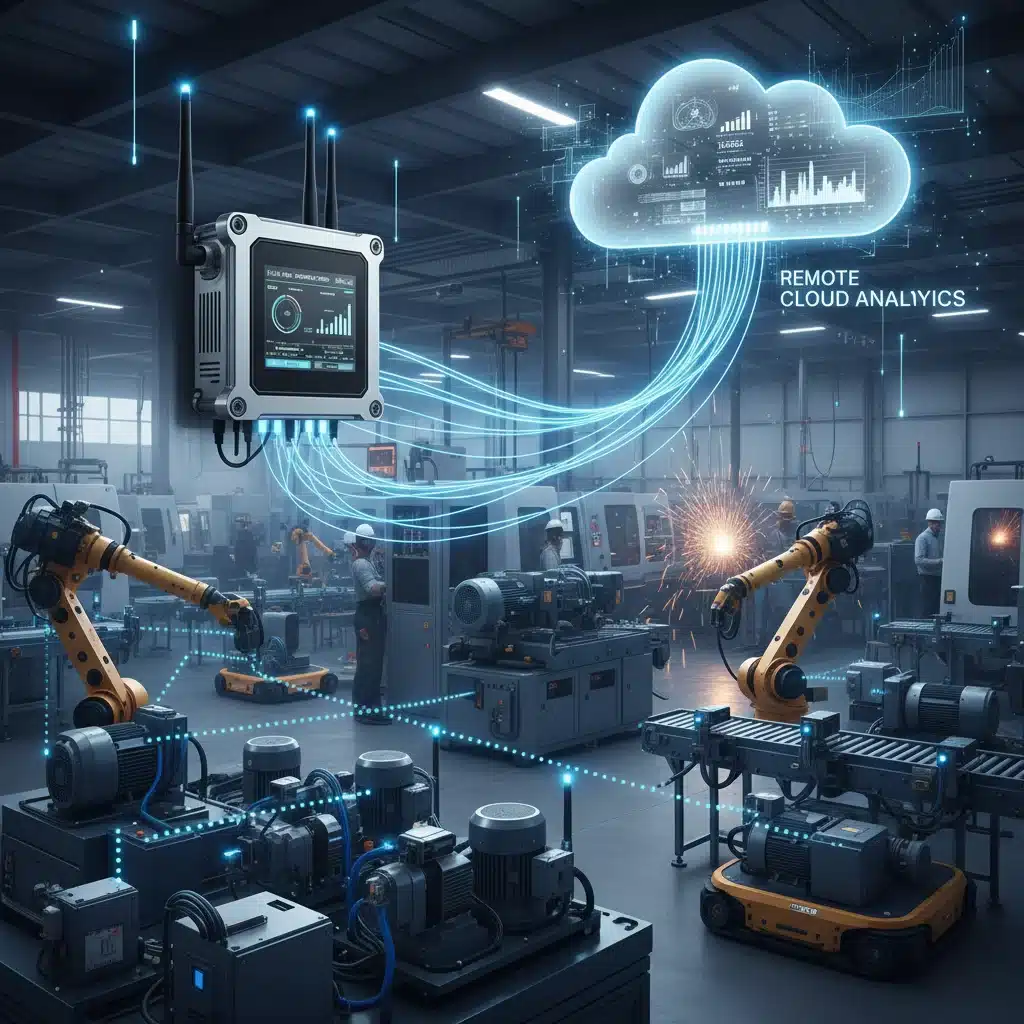
In smart factories, edge computing enables real-time monitoring of machinery, predictive maintenance, quality control, and robotic automation. Data from sensors is processed at the edge to detect anomalies instantly, preventing costly downtime. The cloud provides a platform for global production optimization, supply chain management, and long-term asset performance analysis.
Healthcare
Edge Cloud Integration is revolutionizing healthcare by enabling remote patient monitoring with real-time alerts, AI-powered diagnostics at the point of care, and secure processing of sensitive patient data. Wearable devices and on-site medical equipment can process data locally for immediate feedback, while aggregated, anonymized data can be sent to the cloud for large-scale research and trend analysis.
Retail
Retailers are leveraging edge AI for personalized customer experiences, inventory management, and loss prevention. Edge devices can analyze in-store traffic patterns, optimize shelf placement, and detect shoplifting in real-time. Cloud integration allows for centralized inventory tracking, supply chain optimization, and comprehensive customer behavior analytics across multiple store locations.
Autonomous Vehicles and Smart Transportation
Autonomous vehicles rely heavily on edge computing for instantaneous decision-making based on sensor data (LiDAR, cameras, radar). Every millisecond counts for safety. The cloud plays a vital role in map updates, fleet management, software over-the-air (OTA) updates, and learning from collective driving data to improve AI models.
Telecommunications (5G and Beyond)
5G networks are inherently designed to leverage edge computing, bringing ultra-low latency and high bandwidth closer to users. Telecom providers are deploying mobile edge computing (MEC) to enable new services like augmented reality, virtual reality, and real-time gaming, all powered by the tight integration of edge and cloud resources.
Future Trends and What to Expect by 2026
The journey towards full Edge Cloud Integration is ongoing, with several exciting trends shaping its future:
Further Standardization and Open Source Initiatives
As the market matures, expect greater standardization of APIs, protocols, and management frameworks. Open-source initiatives will play a crucial role in fostering interoperability and accelerating adoption, making it easier for businesses to deploy and manage edge-to-cloud solutions.
AI at the Edge and Federated Learning
The capabilities of AI at the edge will continue to advance, with more complex models being deployed on resource-constrained devices. Federated learning, where AI models are trained on decentralized edge devices without sharing raw data, will become more prevalent, addressing privacy concerns and reducing data transmission.
Serverless Edge Functions
The concept of serverless computing will extend to the edge, allowing developers to deploy and run code snippets on edge devices without managing the underlying infrastructure. This will simplify application development and deployment for edge-native applications.
Enhanced Security Frameworks for Distributed Environments
As the attack surface expands, expect more sophisticated security frameworks specifically designed for distributed Edge Cloud Integration environments. This will include advanced threat detection, identity and access management for edge devices, and robust data encryption mechanisms.
Convergence of Edge, Cloud, and 5G
The synergy between edge computing, cloud computing, and 5G networks will become even stronger. 5G’s low latency and high bandwidth capabilities are the perfect complements to edge processing, enabling a new generation of real-time, immersive applications that were previously unimaginable.
Conclusion: The Inevitable Evolution of Data Processing
Edge Cloud Integration is not merely an incremental improvement; it’s a paradigm shift that redefines the architecture of modern computing. By intelligently distributing processing power and data storage across the edge and the cloud, organizations can overcome the limitations of traditional centralized systems and unlock unprecedented levels of speed, efficiency, and innovation. The promise of 30% faster data processing by 2026 is a testament to the profound impact this integration will have on every industry.
While challenges in management, security, and standardization remain, the technological advancements and strategic benefits far outweigh these hurdles. Businesses that embrace Edge Cloud Integration will be better positioned to harness the full potential of their data, deliver superior customer experiences, optimize operations, and drive sustainable growth in the digital age. The future of data processing is distributed, intelligent, and seamlessly integrated, with the edge and the cloud working in perfect harmony.
The journey has begun, and the businesses that strategically invest in this integrated approach today will be the leaders of tomorrow, reaping the rewards of a faster, smarter, and more responsive digital infrastructure.