Smart Home Security 2026: The Ultimate 7-Step Cyber Threat Guide

The year 2026 is upon us, and with it, an even more interconnected world. Our homes, once mere shelters, have transformed into sophisticated ecosystems of smart devices, offering unparalleled convenience and efficiency. From intelligent thermostats that learn our preferences to security cameras that monitor our every doorstep, the allure of the smart home is undeniable. However, this convenience comes with a significant caveat: an ever-growing landscape of cyber threats. As technology advances, so do the tactics of malicious actors, making robust smart home security 2026 an absolute necessity, not a luxury.
Gone are the days when a simple lock and key sufficed. Today, securing your home means safeguarding your digital perimeter, protecting your data, and ensuring your privacy. The stakes are higher than ever. A compromised smart device isn’t just an inconvenience; it can be a gateway for unauthorized access to your personal information, your financial data, or even physical entry to your home. This comprehensive guide will walk you through seven essential steps to fortify your smart home against the cyber threats of 2026, empowering you to enjoy the benefits of smart living with peace of mind.
Understanding the Evolving Threat Landscape in 2026
Before diving into specific security measures, it’s crucial to understand the nature of the threats we face in 2026. Cybercriminals are constantly innovating, exploiting new vulnerabilities as smart home technology becomes more complex. We’re seeing a rise in sophisticated phishing attacks specifically targeting smart home users, ransomware designed to lock down connected devices, and even nation-state-sponsored attacks aiming to disrupt critical infrastructure through compromised IoT networks. The sheer volume of data generated by smart homes also makes them attractive targets for data harvesting and identity theft.
Furthermore, the interoperability between different smart home platforms, while convenient, can also create new attack vectors. A vulnerability in one device or platform could potentially compromise your entire smart home ecosystem. Therefore, a holistic approach to smart home security 2026 is paramount. It’s not just about securing individual devices; it’s about creating a resilient digital fortress for your entire connected living space.
The Rise of AI-Powered Attacks and Defenses
One of the most significant shifts in the 2026 cyber threat landscape is the increased use of Artificial Intelligence (AI) by both attackers and defenders. Malicious AI can be used to automate reconnaissance, identify vulnerabilities faster, and launch more targeted and effective attacks. Conversely, AI is also being deployed in advanced security solutions to detect anomalies, predict threats, and respond to incidents in real-time, making it an indispensable tool for robust smart home security 2026.
This AI arms race means that staying informed and proactive is more important than ever. Relying on outdated security practices will leave your smart home vulnerable. Our 7-step guide integrates modern best practices, acknowledging the dual-edged sword of AI in cybersecurity.
Step 1: Strong, Unique Passwords and Multi-Factor Authentication (MFA) – The Foundation of Smart Home Security 2026
This might sound basic, but it remains the single most critical step in securing any digital asset, including your smart home devices. Many smart devices come with default passwords or allow users to set weak, easily guessable ones. This is an open invitation for attackers.
- Generate Strong Passwords: For every smart device and associated account (e.g., smart hub, security camera app, smart lock), create a unique, complex password. Aim for at least 12-16 characters, combining uppercase and lowercase letters, numbers, and symbols.
- Use a Password Manager: Trying to remember dozens of complex passwords is impractical. Invest in a reputable password manager to securely store and generate unique passwords for all your accounts. This is a non-negotiable for effective smart home security 2026.
- Enable Multi-Factor Authentication (MFA): Wherever available, activate MFA. This adds an extra layer of security by requiring a second form of verification, such as a code sent to your phone or a biometric scan, in addition to your password. Even if an attacker somehow gets your password, they won’t be able to access your device without that second factor. This is particularly crucial for devices that control physical access to your home, like smart locks and garage door openers.
- Regular Password Changes: While password managers reduce the need for frequent manual changes, it’s still a good practice to periodically update passwords for your most critical smart home accounts, perhaps every 6-12 months.
Think of your passwords as the front door to your digital home. Weak passwords are like leaving the door unlocked. MFA is like adding a second, equally strong lock. Both are essential for foundational smart home security 2026.

Step 2: Keep All Software and Firmware Updated – Patching Vulnerabilities Proactively
Software and firmware updates are not just about adding new features; they are primarily about patching security vulnerabilities. Manufacturers regularly discover and fix flaws in their devices’ software. If you don’t install these updates, your devices remain exposed to known exploits that cybercriminals can easily leverage.
- Enable Automatic Updates: Wherever possible, enable automatic updates for all your smart devices and their associated apps. This ensures you receive critical security patches as soon as they are released.
- Manually Check for Updates: For devices that don’t support automatic updates, make it a habit to periodically check for new firmware versions through the device’s app or manufacturer’s website. A good rule of thumb is to check at least once a month.
- Understand Update Notifications: Pay attention to notifications from your smart device manufacturers. They often alert users to critical security updates.
- Research Before You Buy: When purchasing new smart devices, consider the manufacturer’s commitment to security updates. Does the company have a good track record of supporting its products with timely patches? This is a vital consideration for long-term smart home security 2026.
Outdated software is a common entry point for cyberattacks. By diligently updating your devices, you’re essentially closing off known pathways for intruders, significantly bolstering your smart home security 2026.
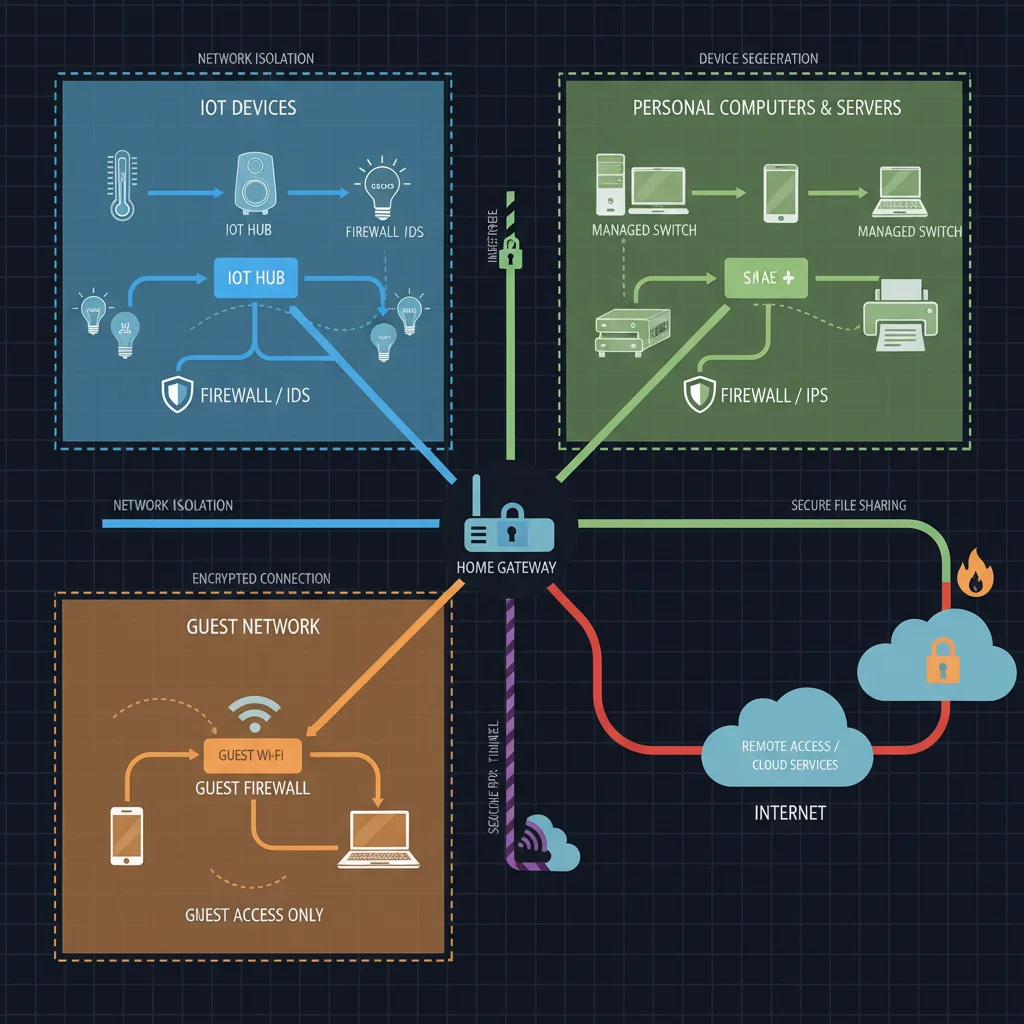
Step 3: Segment Your Network – Isolating Smart Devices for Enhanced Security
Most smart devices are not designed with the same level of security as, say, your laptop or smartphone. They often have simpler operating systems and fewer security features, making them more vulnerable. Network segmentation is a powerful strategy to contain potential breaches.
- Create a Separate IoT Network (VLAN): If your router supports it, set up a separate Virtual Local Area Network (VLAN) specifically for your smart home devices. This isolates them from your main network where your computers, smartphones, and sensitive data reside. If an IoT device is compromised, the attacker will have a much harder time moving laterally to your more critical devices.
- Guest Network for Smart Devices: If a VLAN isn’t an option, consider using your router’s guest network feature for your smart devices. While not as robust as a dedicated VLAN, it still provides some level of isolation from your primary network.
- Limit Device-to-Device Communication: Configure your network settings to restrict unnecessary communication between smart devices. For example, your smart light bulbs probably don’t need to communicate directly with your smart doorbell.
- Use a Firewall: Ensure your router’s firewall is active and properly configured. Advanced users might consider a dedicated firewall appliance for even greater control over network traffic, a key component of robust smart home security 2026.
Network segmentation acts like fire doors in a building. If one section catches fire (gets compromised), the fire doors prevent it from spreading to other, more critical areas. This architectural approach is fundamental to advanced smart home security 2026.
Step 4: Review and Limit Device Permissions and Data Sharing
Many smart devices and their accompanying apps request extensive permissions during setup. While some are necessary for functionality, others might be excessive and could pose a privacy risk. Understanding and managing these permissions is vital for smart home security 2026.
- Scrutinize App Permissions: Before installing a smart home app, review the permissions it requests. Does a smart light bulb app really need access to your contacts or location data 24/7? Deny any permissions that seem unnecessary for the device’s core function.
- Understand Data Collection: Be aware of what data your smart devices are collecting and how it’s being used. Read the privacy policies. While often dense, they contain crucial information about data retention, sharing with third parties, and your rights.
- Disable Unnecessary Features: If a smart device has features you don’t use, consider disabling them. For example, if your smart speaker has a microphone that’s always listening, but you only use it for music playback, you might be able to disable voice assistant features to enhance privacy.
- Location Services: Limit location services for smart devices to only those that absolutely require it (e.g., a smart thermostat using location for geofencing).
In 2026, data is gold, and your smart home generates a lot of it. By being mindful of permissions and data sharing, you’re not just improving security; you’re actively protecting your personal privacy, a cornerstone of responsible smart home security 2026.
Step 5: Secure Your Wi-Fi Network – The Gateway to Your Smart Home
Your Wi-Fi network is the backbone of your smart home. If your Wi-Fi is compromised, your entire smart home ecosystem is at risk. Ensuring its security is non-negotiable.
- Strong Router Password: Change the default administrator password for your router immediately. This is often overlooked but is a critical vulnerability.
- Use WPA3 Encryption: Ensure your Wi-Fi network uses WPA3 encryption (or WPA2 if WPA3 isn’t available). WPA3 offers stronger encryption than WPA2, making it much harder for attackers to intercept your network traffic. Avoid WEP or open networks at all costs.
- Disable WPS: Wi-Fi Protected Setup (WPS) can be convenient for connecting devices but has known security vulnerabilities. Disable it on your router if you’re not using it.
- Change Default Wi-Fi Name (SSID): While not a direct security measure, changing your Wi-Fi network’s default name (SSID) can make it slightly harder for attackers to identify your router’s make and model, thus complicating targeted attacks.
- Regular Router Firmware Updates: Just like your smart devices, your router needs regular firmware updates. Check your router manufacturer’s website periodically for the latest versions.
- Consider a VPN for Remote Access: If you frequently access your smart home devices remotely, consider using a Virtual Private Network (VPN) for an encrypted connection. Some advanced routers offer built-in VPN server capabilities.
Your Wi-Fi network is the digital front door to your smart home. Strengthening its defenses is a fundamental aspect of comprehensive smart home security 2026.
Step 6: Regularly Audit Your Smart Home Devices and Network
Cybersecurity is not a set-it-and-forget-it endeavor. The threat landscape is constantly evolving, and new vulnerabilities are discovered regularly. A proactive approach involves regular audits of your smart home setup.
- Inventory Your Devices: Keep an up-to-date list of all smart devices connected to your network. Include the manufacturer, model, and date of purchase. This helps you track updates and identify unsupported devices.
- Monitor Network Activity: Use network monitoring tools (some routers have this built-in) to look for unusual traffic patterns or unauthorized devices connected to your network.
- Review Device Logs: Many smart devices and hubs keep activity logs. Periodically review these logs for any suspicious activity, such as unexpected logins or commands.
- Perform Security Scans: Utilize network security scanners (some free and paid options exist) to identify open ports, weak passwords, and other vulnerabilities on your network.
- Remove Unused Devices: If you’re no longer using a smart device, disconnect it from your network and, if possible, factory reset it before disposing of it. Unused devices can become forgotten vulnerabilities.
- Stay Informed: Follow cybersecurity news and reputable tech blogs to stay aware of new threats and vulnerabilities affecting smart home devices. Knowledge is a powerful tool in maintaining smart home security 2026.
Regular auditing is like having a security patrol for your digital home. It helps you identify and address weaknesses before they can be exploited, ensuring continuous smart home security 2026.
Step 7: Implement Physical Security for Smart Home Devices
While much of smart home security focuses on the digital realm, physical security remains equally important. A compromised physical device can lead to a digital breach, or vice versa.
- Secure Physical Access to Devices: Place smart hubs, routers, and other critical devices in secure locations where they cannot be easily accessed or tampered with by unauthorized individuals.
- Protect Against Tampering: Be mindful of physical tampering. If a device has been physically altered, it could be a sign of compromise.
- Smart Locks and Cameras: Ensure your smart locks are robust and integrated with a secure system. Position security cameras strategically to monitor entry points and critical areas, and ensure their footage is securely stored and transmitted.
- Guest Access Management: If you grant temporary access to your smart home (e.g., for houseguests or service providers), use temporary access codes or guest network credentials that can be easily revoked.
- Backup and Recovery: For devices that store critical data (like smart home hubs with configuration settings), ensure you have a backup and recovery plan in case of device failure or compromise.
The digital and physical worlds of your smart home are intertwined. Neglecting one aspect compromises the other. A comprehensive approach to smart home security 2026 must encompass both.
The Future of Smart Home Security: What’s Next Beyond 2026?
As we look beyond 2026, the landscape of smart home security will continue to evolve rapidly. We can expect to see even greater integration of AI and machine learning for predictive threat detection and automated responses. Blockchain technology might play a role in creating more secure and decentralized device authentication and data management systems. Quantum-resistant cryptography will become increasingly important as quantum computing capabilities advance.
The emphasis will shift even further towards proactive security postures, with devices designed with security baked in from the ground up, rather than as an afterthought. Regulatory frameworks for IoT security will likely become more stringent, pushing manufacturers to adhere to higher security standards. Personal responsibility, however, will remain a constant. Users will need to continue educating themselves and adopting best practices to protect their digital homes.
Staying Ahead of the Curve
To maintain robust smart home security 2026 and beyond, continuous learning and adaptation are key. Regularly revisit your security setup, explore new security solutions, and stay informed about the latest threats and protective measures. The convenience of smart living is immense, but it must be balanced with diligent security practices.
Conclusion: A Secure Smart Home is an Empowered Home in 2026
The journey to a truly secure smart home in 2026 is an ongoing one, requiring vigilance, knowledge, and proactive measures. By implementing these seven essential steps – from strong passwords and regular updates to network segmentation and physical security – you can significantly bolster your defenses against the ever-present cyber threats. Embrace the future of connected living with confidence, knowing that you’ve taken the necessary precautions to protect your privacy, your data, and your peace of mind. A secure smart home isn’t just about preventing breaches; it’s about empowering you to fully enjoy the benefits of technology without fear. Make smart home security 2026 a top priority, and your connected life will be both innovative and safe.