Insider Threat Detection Software: Proactive Security Solutions

Insider Threat Detection Software: Proactive Security Solutions
In the rapidly evolving landscape of cybersecurity, the focus often shifts to external adversaries – sophisticated hackers, state-sponsored attacks, and ransomware gangs. However, a significant and often underestimated threat lurks within organizations: the insider threat. The very individuals entrusted with access to sensitive data and systems can, intentionally or unintentionally, pose a severe risk. The alarming statistic that 10% of data exfiltrations are projected to occur due to insider threats by 2026 underscores the urgent need for robust Insider Threat Detection software. This article will delve deep into the world of Insider Threat Detection, exploring its critical importance, the mechanisms by which it operates, and how it empowers organizations to identify and mitigate risky behavior before it escalates into a catastrophic data breach.
Understanding the nature of insider threats is the first step toward effective mitigation. An insider threat isn’t always a malicious employee with a vendetta. It can also stem from negligent employees who fall victim to phishing scams, accidental misconfigurations, or simply bypass security protocols for convenience. Regardless of intent, the consequences can be equally devastating, ranging from intellectual property theft and financial fraud to reputational damage and regulatory fines. Traditional perimeter defenses, while essential, are often ill-equipped to handle threats originating from within the trusted network. This is precisely where specialized Insider Threat Detection software becomes indispensable, offering a layer of visibility and control that conventional security measures cannot provide.
The Escalating Landscape of Insider Threats
The digital transformation has brought about unprecedented connectivity and accessibility to data, but it has also expanded the attack surface for insider threats. Employees now access corporate networks from various devices, locations, and through numerous cloud-based applications. This distributed environment, while fostering productivity, creates more opportunities for data exfiltration and misuse. Furthermore, the increasing value of data, particularly intellectual property and customer information, makes it a prime target for both internal bad actors and external entities seeking to exploit insiders.
The motivations behind insider threats are complex and varied. Malicious insiders might be driven by financial gain, revenge, or even ideological reasons. Negligent insiders, on the other hand, might inadvertently expose data due to a lack of security awareness, an overreliance on convenience over security, or falling prey to social engineering tactics. The common thread, however, is the access and trust they possess within the organization. This inherent trust makes Insider Threat Detection particularly challenging, as the behavior often appears legitimate on the surface until a critical threshold is crossed.
The consequences of a successful insider attack are far-reaching. Beyond the immediate financial losses associated with data breaches, organizations can suffer significant reputational damage, erode customer trust, and face severe regulatory penalties. Compliance mandates, such as GDPR, CCPA, and HIPAA, impose hefty fines for data breaches, making proactive Insider Threat Detection not just a security best practice, but a legal and financial imperative. The cost of remediation after a breach far outweighs the investment in preventative measures, emphasizing the value proposition of robust detection software.
What is Insider Threat Detection Software?
Insider Threat Detection software refers to a category of security solutions designed to identify, monitor, and analyze user behavior within an organization’s network and systems to detect anomalous or suspicious activities that could indicate an insider threat. These solutions leverage a combination of technologies, including user behavior analytics (UBA), machine learning, artificial intelligence, and data loss prevention (DLP), to build a comprehensive picture of user activity and identify deviations from established baselines.
At its core, Insider Threat Detection software aims to answer key questions: Who is accessing what data? When are they accessing it? From where? And how are they using it? By continuously monitoring these parameters, the software can establish normal patterns of behavior for each user and identify any actions that fall outside of these norms. This proactive approach allows organizations to intervene before sensitive data is compromised or exfiltrated.
The sophistication of modern Insider Threat Detection solutions lies in their ability to contextualize data. Instead of simply flagging individual events, they correlate multiple data points across different systems to create a holistic view of user activity. For example, a single large download might not be suspicious, but a large download by an employee who has just given notice, accessed a highly sensitive database they don’t normally use, and then attempted to email it to a personal account, would trigger a high-risk alert.
Key Capabilities of Effective Insider Threat Detection Software
To effectively combat insider threats, a comprehensive solution typically incorporates several key capabilities:
User Behavior Analytics (UBA)
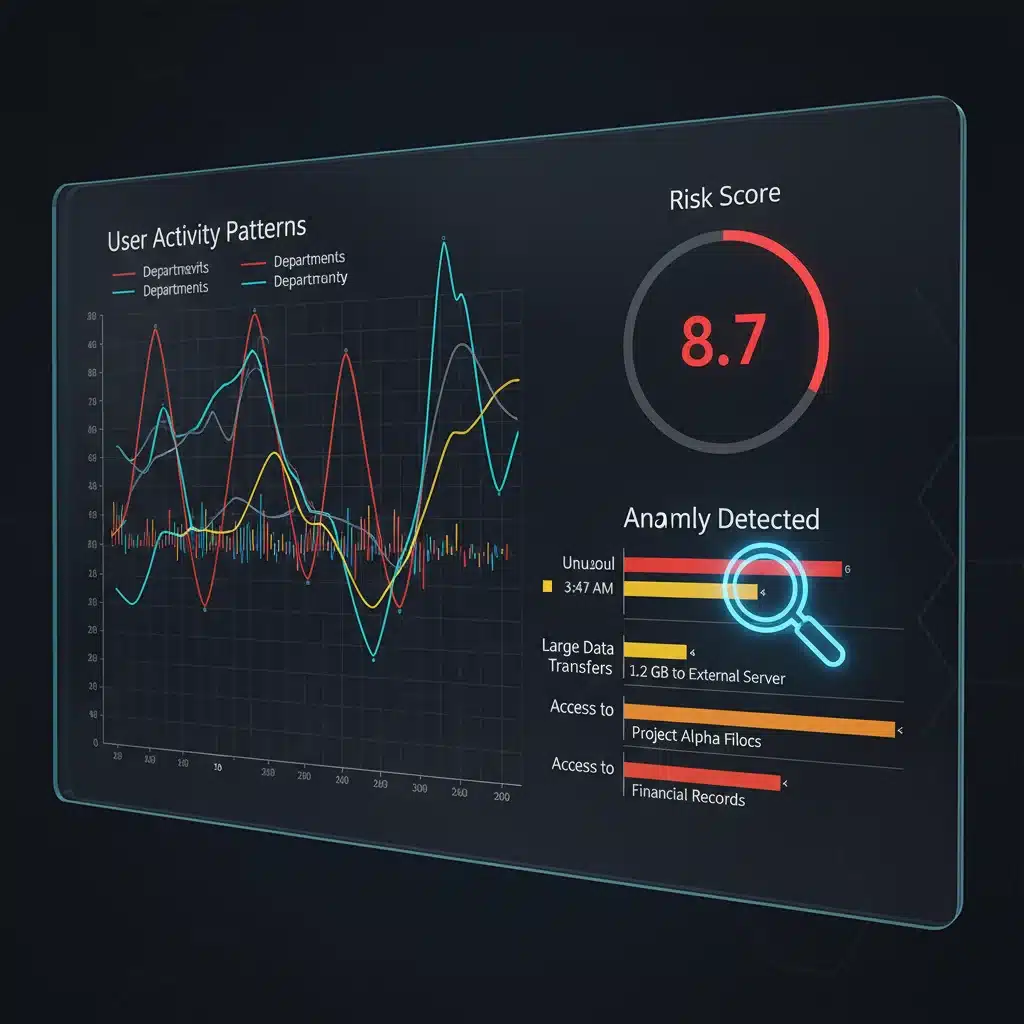
UBA is the cornerstone of modern Insider Threat Detection. It involves collecting and analyzing data on user activities, such as login times, access patterns, application usage, file transfers, and network traffic. Machine learning algorithms then establish a baseline of normal behavior for each user and peer groups. Any significant deviation from this baseline – for instance, an employee suddenly accessing a large volume of sensitive files outside of their usual working hours – will be flagged as suspicious and assigned a risk score.
UBA goes beyond simple rule-based detection by understanding the context of user actions. It can identify subtle shifts in behavior that might indicate a compromised account, a disgruntled employee, or an employee planning to leave with company data. This capability is crucial because insider threats often manifest through a series of seemingly innocuous actions that, when pieced together, reveal a malicious intent.
Data Loss Prevention (DLP) Integration
DLP solutions are designed to prevent sensitive information from leaving the organization’s control. When integrated with Insider Threat Detection software, DLP can enforce policies that restrict the transfer of sensitive data through unauthorized channels, such as personal email, cloud storage, or USB drives. This integration provides an additional layer of protection by blocking or alerting on attempts to exfiltrate data, complementing the behavioral analysis capabilities.
The combination of UBA and DLP is powerful. UBA identifies the suspicious user behavior, while DLP acts as the enforcement mechanism, preventing the actual data loss. This synergistic approach ensures that not only are potential threats identified, but the damage they can inflict is also minimized or entirely prevented.
Endpoint Monitoring
Monitoring activity at the endpoint level (laptops, desktops, servers) is vital for comprehensive Insider Threat Detection. This includes tracking file access, application usage, printing activities, USB device connections, and even screen captures. Endpoint agents can collect granular data, providing deep insights into how users interact with data and applications directly on their devices.
Endpoint monitoring can detect attempts to copy data to personal devices, install unauthorized software, or access restricted applications. It provides the ‘ground truth’ of user actions, which is essential for building accurate behavioral profiles and identifying potential threats that might bypass network-level monitoring.
Network Activity Monitoring
Monitoring network traffic provides insights into data flows, connections to external services, and access to internal resources. This helps in identifying unusual data transfers, connections to suspicious external IP addresses, or attempts to bypass network security controls. Network monitoring is crucial for detecting exfiltration attempts via unauthorized network channels.
By analyzing network logs and traffic patterns, Insider Threat Detection solutions can identify anomalies like an employee suddenly uploading large files to an unknown cloud service or accessing a dark web forum. These indicators, when combined with other behavioral data, can paint a clear picture of a potential insider threat.
Privileged User Monitoring
Privileged users (administrators, IT staff, executives) have extensive access to critical systems and data, making them high-risk targets for both external attackers and potential insider threats. Insider Threat Detection software includes specialized monitoring for these accounts, focusing on deviations from their standard operational procedures, unusual access patterns, and attempts to escalate privileges.
Given the potential for significant damage, privileged user activity often receives heightened scrutiny. Solutions can implement session recording, command monitoring, and real-time alerts for any suspicious actions performed by these highly trusted individuals.
Alerting and Reporting
Effective Insider Threat Detection software must provide timely and actionable alerts when suspicious activity is detected. These alerts should be prioritized based on risk scores and provide sufficient context for security teams to investigate quickly. Comprehensive reporting capabilities are also essential for compliance audits, forensic investigations, and demonstrating the effectiveness of the security program.
Customizable dashboards and reports allow security teams to visualize trends, identify recurring patterns, and gain insights into the overall insider threat posture of the organization. This data-driven approach helps in continuous improvement of security policies and controls.
The Benefits of Implementing Insider Threat Detection Software
The adoption of robust Insider Threat Detection software offers a multitude of benefits that extend beyond simply preventing data breaches:
Proactive Risk Mitigation
One of the primary advantages is the ability to proactively identify and mitigate risks before they materialize into full-blown incidents. By detecting early indicators of suspicious behavior, organizations can intervene, investigate, and neutralize threats before any significant damage occurs. This shifts the security paradigm from reactive incident response to proactive threat prevention.
Enhanced Data Protection
By monitoring and controlling access to sensitive data, these solutions significantly enhance overall data protection. They ensure that critical information remains within the organization’s control, whether it’s intellectual property, financial records, or customer data, thereby safeguarding the organization’s most valuable assets.
Improved Compliance and Governance
Regulatory frameworks increasingly mandate robust security measures to protect sensitive data. Insider Threat Detection software helps organizations meet these compliance requirements by providing auditable logs of user activity, demonstrating due diligence in data protection, and facilitating rapid response to potential violations. This aids in avoiding costly fines and legal repercussions.
Increased Visibility into User Activity
These solutions offer unparalleled visibility into user activities across the entire IT ecosystem. This comprehensive insight helps organizations understand how employees interact with data and systems, identify potential vulnerabilities, and optimize security policies. It moves beyond the traditional ‘black box’ approach to internal security, providing clarity and control.
Reduced Costs Associated with Breaches
The cost of a data breach can be astronomical, encompassing direct financial losses, legal fees, regulatory fines, reputational damage, and customer churn. By preventing breaches, Insider Threat Detection software offers a significant return on investment, saving organizations from the immense financial and operational burden of recovering from an insider incident.
Faster Incident Response
When an insider threat is detected, the software provides security teams with detailed context and evidence, enabling faster and more efficient incident response. The ability to quickly pinpoint the source of the threat, understand its scope, and take decisive action minimizes the potential for damage and accelerates recovery efforts.
Challenges in Implementing Insider Threat Detection
While the benefits are clear, implementing Insider Threat Detection software is not without its challenges:
False Positives
One of the most common challenges is managing false positives. Legitimate user activities can sometimes appear anomalous, leading to unnecessary alerts and investigations. Tuning the system to minimize false positives while ensuring no real threats are missed requires continuous effort and refinement.
Privacy Concerns
Monitoring employee activity can raise privacy concerns. Organizations must ensure transparency with employees about monitoring practices, adhere to legal and ethical guidelines, and focus monitoring efforts on security-relevant activities rather than intrusive surveillance. Clear policies and communication are crucial.
Integration Complexity
Integrating Insider Threat Detection software with existing security infrastructure (SIEM, IAM, DLP) can be complex. Ensuring seamless data flow and interoperability between different systems requires careful planning and technical expertise.
Resource Intensive
Deploying, configuring, and managing these solutions can be resource-intensive, requiring dedicated security personnel with specialized skills. The continuous analysis of vast amounts of data and the investigation of alerts demand significant human capital.
Evolving Threat Landscape
Insider threats are constantly evolving, with new methods of data exfiltration emerging. The software must be continuously updated and adapted to stay ahead of these evolving tactics, requiring ongoing investment and vendor support.
Best Practices for Successful Insider Threat Detection
To maximize the effectiveness of Insider Threat Detection software, organizations should follow several best practices:
Develop a Comprehensive Insider Threat Program
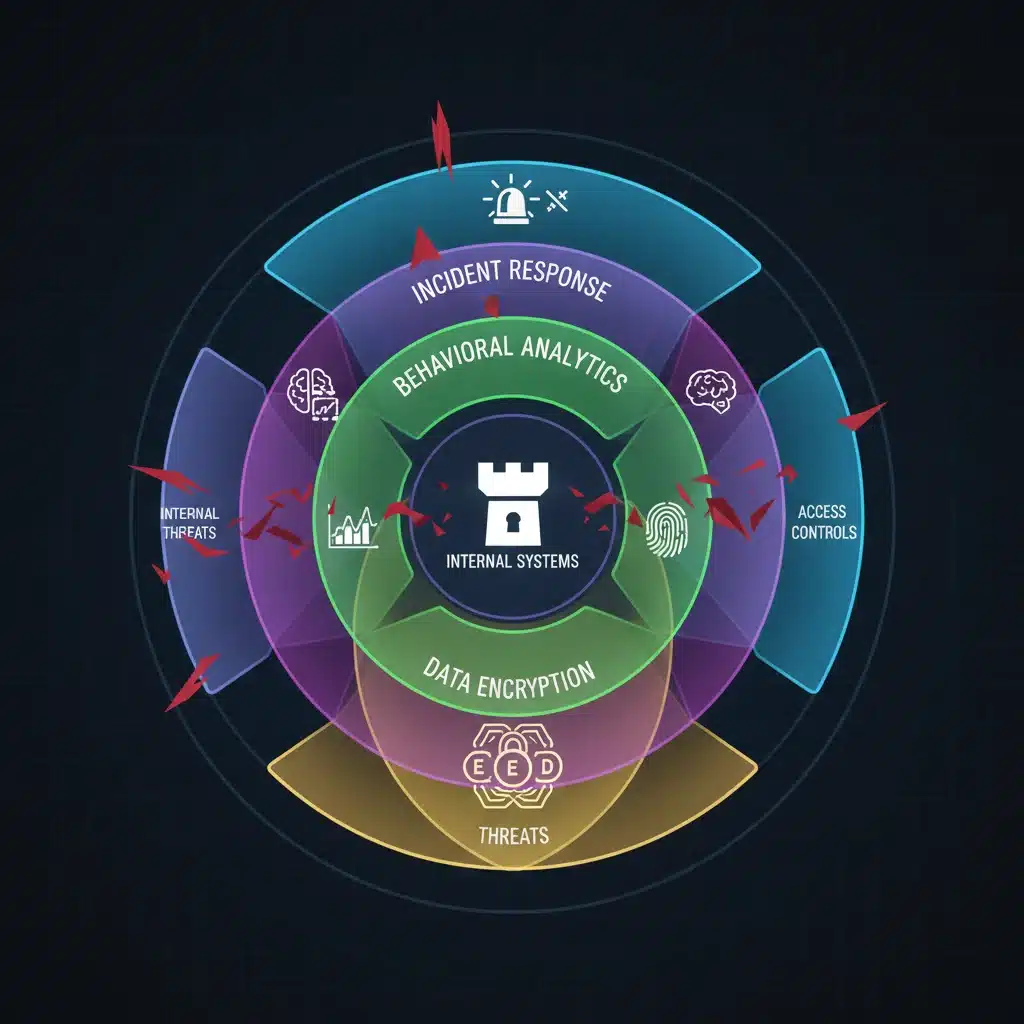
The software is just one component of a broader insider threat program. This program should include clear policies, employee training, incident response plans, and cross-functional collaboration between HR, legal, IT, and security teams. A holistic approach is essential.
Baseline Normal Behavior
Invest time in establishing accurate baselines of normal user behavior. This involves collecting sufficient data, allowing machine learning algorithms to learn typical patterns, and refining these baselines over time. The more accurate the baseline, the fewer false positives.
Prioritize Data and Assets
Identify and classify your most critical data and assets. Focus monitoring efforts and stricter controls on these high-value targets. This risk-based approach ensures that resources are allocated effectively and the most valuable information receives the highest level of protection.
Regularly Review and Tune Policies
Security policies and detection rules should not be static. Regularly review and tune them based on new threats, changes in business operations, and feedback from security analysts. This continuous improvement process ensures the system remains effective.
Foster a Culture of Security Awareness
Employee education is paramount. Train employees on security best practices, the dangers of insider threats (both malicious and negligent), and their role in protecting company data. A security-aware workforce is the first line of defense.
Integrate with Existing Security Tools
Ensure seamless integration with your existing Security Information and Event Management (SIEM), Identity and Access Management (IAM), and Data Loss Prevention (DLP) solutions. This creates a unified security ecosystem, enhancing visibility and correlation capabilities.
Conduct Regular Drills and Testing
Periodically conduct insider threat drills and simulations to test the effectiveness of your detection capabilities and incident response plans. This helps identify gaps and areas for improvement before a real incident occurs.
Ensure Legal and Ethical Compliance
Work closely with legal counsel and HR to ensure that all monitoring activities comply with relevant privacy laws, labor laws, and company policies. Transparency with employees about monitoring is crucial for maintaining trust and avoiding legal challenges.
The Future of Insider Threat Detection
The future of Insider Threat Detection is poised for significant advancements, driven by the increasing sophistication of AI and machine learning, as well as the growing complexity of IT environments.
Advanced AI and Machine Learning
Expect even more sophisticated AI and machine learning algorithms that can detect subtle anomalies with greater accuracy and fewer false positives. These systems will be capable of identifying complex attack patterns that span multiple systems and timeframes, making it harder for malicious insiders to evade detection.
Predictive Analytics
The next generation of solutions will move beyond reactive detection to predictive analytics. By analyzing historical data and behavioral patterns, these systems may be able to predict the likelihood of an insider threat emerging, allowing organizations to implement preventative measures even before any suspicious activity occurs.
Integration with Zero Trust Architectures
As organizations adopt Zero Trust security models, Insider Threat Detection will become an integral component. In a Zero Trust environment, every user and device is continuously verified, and access is granted on a least-privilege basis. Insider threat solutions will help enforce this continuous verification and detect any deviations from established trust parameters.
Cloud-Native Solutions
With the widespread adoption of cloud computing, Insider Threat Detection solutions will increasingly be cloud-native, offering scalability, flexibility, and seamless integration with cloud-based applications and infrastructure. This will be crucial for monitoring activities in hybrid and multi-cloud environments.
Automated Response Capabilities
While human oversight will always be essential, future solutions may incorporate more automated response capabilities, such as automatically revoking access, quarantining compromised accounts, or initiating forensic data collection in response to high-confidence insider threat alerts. This will significantly reduce response times.
Conclusion
The threat from within is a persistent and evolving challenge for organizations of all sizes. As data continues to be a primary target, the imperative to invest in robust Insider Threat Detection software has never been greater. By leveraging advanced analytics, behavioral monitoring, and comprehensive data protection capabilities, these solutions empower organizations to identify risky behavior, prevent data exfiltration, and safeguard their most critical assets.
The projection that 10% of data exfiltrations will stem from insider threats by 2026 serves as a stark reminder that traditional security measures are no longer sufficient. A proactive, intelligent approach to internal security is not just a best practice; it’s a strategic necessity for business continuity, compliance, and maintaining stakeholder trust. Embracing modern Insider Threat Detection software is an investment in the resilience and security of your organization’s future.