
The Staggering Cost of Inadequate Security Software: U.S. Businesses Face Average $4.5 Million in Breach Costs by 2026
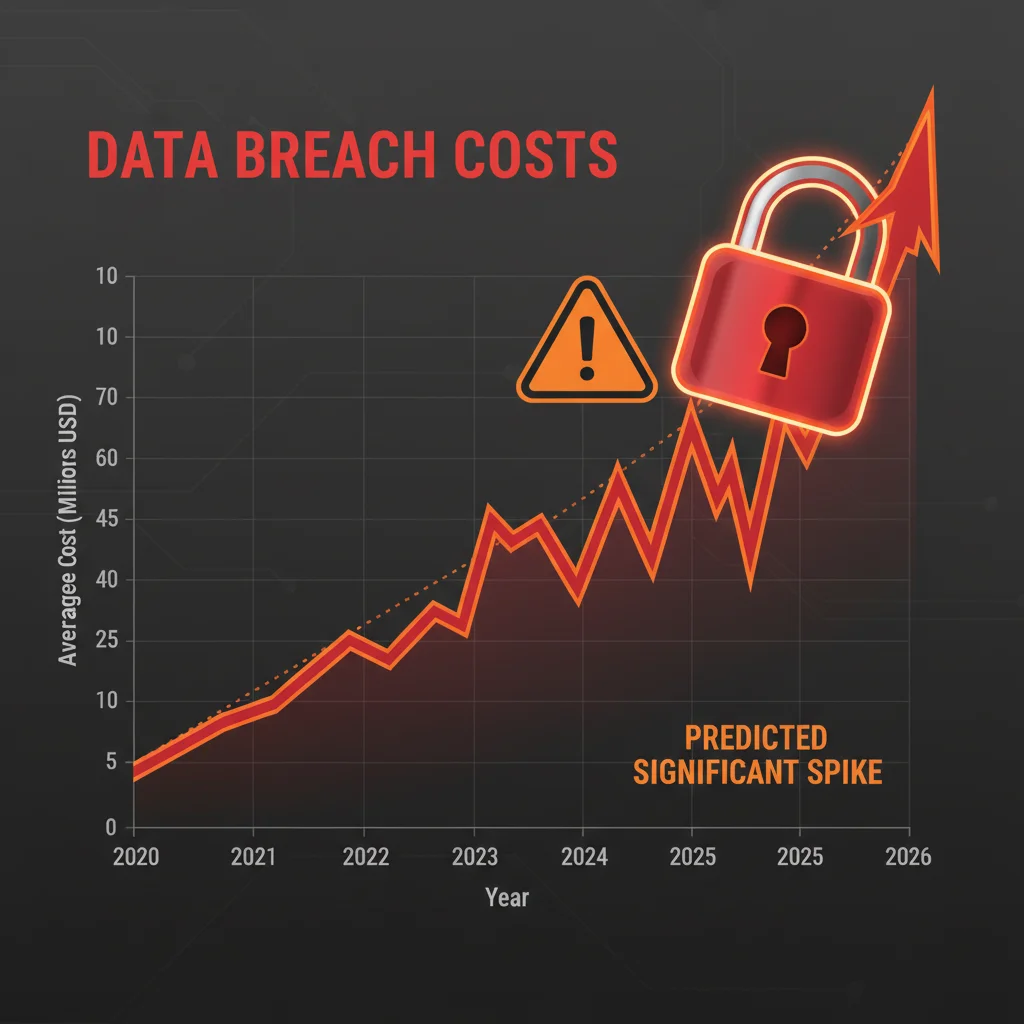
In an increasingly interconnected digital landscape, the threat of cyberattacks looms larger than ever. For U.S. businesses, the stakes are particularly high. Recent projections indicate that by 2026, the average cost of a data breach for U.S. businesses could skyrocket to an alarming $4.5 million. This isn’t merely a statistic; it’s a stark warning, underscoring the critical need for robust cybersecurity investment. Inadequate security software is no longer just a minor oversight; it’s a direct pathway to catastrophic financial losses, reputational damage, and operational disruption. The time for proactive cybersecurity investment is now, not after a breach has occurred.
Understanding the Escalating Threat Landscape
The digital world evolves at an unprecedented pace, and with it, the sophistication and frequency of cyber threats. From ransomware attacks that cripple entire organizations to intricate phishing schemes designed to steal sensitive data, the methods employed by cybercriminals are constantly adapting. U.S. businesses, regardless of size or industry, are prime targets due to the vast amounts of valuable data they hold and the critical services they provide. The sheer volume of digital transactions, remote work environments, and the increasing reliance on cloud infrastructure all contribute to a broader attack surface, making comprehensive cybersecurity investment an absolute necessity.
One of the primary drivers behind the escalating cost of data breaches is the sheer complexity of modern IT environments. Many businesses operate with a patchwork of legacy systems alongside newer cloud-based applications, creating vulnerabilities that attackers are quick to exploit. Furthermore, the human element remains a significant weak point. Employee error, lack of awareness, and social engineering tactics often provide the initial entry point for malicious actors. Without continuous training and state-of-the-art security solutions, even the most diligent employees can inadvertently become a company’s biggest liability.
The global geopolitical climate also plays a role, with state-sponsored attacks and cyber warfare becoming more prevalent. These advanced persistent threats (APTs) are often highly resourced and capable of evading traditional security measures, demanding a more sophisticated and layered approach to cybersecurity investment. The average U.S. business simply cannot afford to ignore these multifaceted threats. The cost of prevention, while seemingly substantial upfront, pales in comparison to the potential fallout from a successful cyberattack.
The Financial Fallout: Deconstructing the $4.5 Million Average Breach Cost
The projected $4.5 million average cost of a data breach by 2026 is not a random figure; it’s a calculated estimate based on a multitude of factors, each contributing significantly to the overall financial burden. When a breach occurs, the immediate costs are often just the tip of the iceberg. Beyond the initial remediation, businesses face a cascade of expenses that can cripple their operations and severely impact their bottom line. Understanding these components is crucial for justifying adequate cybersecurity investment.
Direct Costs of a Breach
- Detection and Escalation: This includes the costs associated with identifying the breach, investigating its scope, and bringing in forensic experts. The longer a breach goes undetected, the higher these costs become.
- Notification: Depending on the industry and the type of data compromised, businesses are legally obligated to notify affected individuals and regulatory bodies. This involves significant communication expenses, including legal fees, public relations, and postage for physical notifications.
- Lost Business: This is often the most substantial direct cost. It encompasses customer churn, reputational damage leading to a decrease in new business, and operational downtime. For many businesses, a significant period of operational paralysis can lead to irreversible losses.
- Post-Breach Response: This involves implementing new security measures, strengthening existing defenses, and potentially overhauling entire IT infrastructures. It also includes providing credit monitoring services to affected individuals, a common requirement after personal data breaches.
- Fines and Penalties: Regulatory bodies like the FTC, HIPAA, and GDPR (for businesses operating internationally) can levy hefty fines for non-compliance and negligence leading to a breach. These penalties can run into millions of dollars, further emphasizing the need for robust cybersecurity investment.
Indirect and Long-Term Costs
Beyond the immediate financial hit, data breaches inflict long-term damage that can be difficult to quantify but are profoundly impactful. Reputational damage, for instance, can erode customer trust and brand loyalty, taking years to rebuild. The loss of intellectual property, trade secrets, or competitive advantage can have lasting effects on a company’s market position and innovation capabilities. Furthermore, increased insurance premiums, legal fees from class-action lawsuits, and the diversion of internal resources to manage the aftermath of a breach can continue to drain finances for years.
The psychological toll on employees and leadership should also not be underestimated. The stress of managing a crisis, the potential for job losses, and the scrutiny from stakeholders can severely impact morale and productivity. All these factors underscore why a proactive stance through strategic cybersecurity investment is not just good practice, but a critical survival strategy in today’s digital economy.
The Role of Inadequate Security Software: A Critical Vulnerability
The phrase “inadequate security software” encompasses a broad spectrum of deficiencies, ranging from outdated systems and insufficient coverage to poorly configured solutions and a complete lack of essential tools. Each of these weaknesses presents a gaping hole in a business’s defenses, making it an attractive target for cybercriminals. The direct correlation between weak security infrastructure and the likelihood and cost of a breach is undeniable, highlighting the paramount importance of strategic cybersecurity investment.
Common Pitfalls in Security Software
- Outdated Software and Patches: Many breaches occur because businesses fail to apply security patches and updates promptly. Cybercriminals actively scan for known vulnerabilities in older software versions, exploiting them with ease. An effective cybersecurity investment strategy includes robust patch management.
- Lack of Multi-Layered Defense: Relying on a single firewall or antivirus program is akin to locking only the front door while leaving all windows open. Modern threats require a multi-layered approach, including endpoint detection and response (EDR), intrusion detection/prevention systems (IDS/IPS), security information and event management (SIEM), and cloud security solutions.
- Poor Configuration and Management: Even the most advanced security software can be ineffective if not properly configured and continuously managed. Misconfigurations can create unintended vulnerabilities, while a lack of monitoring means threats can go unnoticed for extended periods.
- Absence of Data Loss Prevention (DLP): Many businesses lack robust DLP solutions, which are designed to prevent sensitive information from leaving the organizational network. Without DLP, accidental or malicious data exfiltration can occur unnoticed.
- Insufficient Identity and Access Management (IAM): Weak password policies, lack of multi-factor authentication (MFA), and poor access controls are frequent points of compromise. IAM is a foundational pillar of effective cybersecurity investment.
- Neglecting Employee Training: Technology alone is not enough. Employees are often the first line of defense, and a lack of security awareness training can render even the best software useless against social engineering attacks.
The cost of investing in a comprehensive suite of security tools and the expertise to manage them might seem significant, but it pales in comparison to the financial and reputational devastation wrought by a successful cyberattack. Businesses must shift their mindset from viewing cybersecurity as an expense to recognizing it as a fundamental business investment that protects all other assets.
Strategic Cybersecurity Investment: The Path to Resilience
Given the grim projections, the question is no longer whether to invest in cybersecurity, but how to do so effectively. A strategic approach to cybersecurity investment involves more than just purchasing software; it requires a holistic framework that integrates technology, processes, and people. This proactive stance builds resilience, minimizing the likelihood and impact of potential breaches.
Key Pillars of Effective Cybersecurity Investment
- Comprehensive Risk Assessment: Before any investment, businesses must thoroughly understand their unique risk profile. This involves identifying critical assets, potential threats, and existing vulnerabilities. A detailed risk assessment guides the allocation of resources, ensuring that cybersecurity investment is targeted and efficient.
- Layered Security Architecture: Implement a defense-in-depth strategy. This means deploying multiple security controls across different layers of the IT environment – from the network perimeter to individual endpoints and applications. This includes firewalls, intrusion prevention systems, endpoint detection and response (EDR), Security Information and Event Management (SIEM), and cloud security solutions.
- Data Encryption and Backup: Encrypting sensitive data, both at rest and in transit, is a fundamental security measure. Equally important is implementing robust, regularly tested backup and recovery procedures to ensure business continuity in the event of a ransomware attack or data loss.
- Identity and Access Management (IAM) with MFA: Strong IAM policies, including strict password requirements, regular password changes, and mandatory multi-factor authentication (MFA) for all critical systems, significantly reduce the risk of unauthorized access.
- Employee Security Awareness Training: Human error remains a leading cause of breaches. Regular, engaging, and up-to-date security awareness training for all employees is essential. This includes phishing simulations and education on identifying social engineering tactics.
- Incident Response Plan (IRP): A well-defined and regularly practiced incident response plan is crucial. This plan outlines the steps to be taken before, during, and after a security incident, minimizing damage and recovery time.
- Regular Audits and Penetration Testing: Continuous monitoring, vulnerability assessments, and penetration testing help identify weaknesses before attackers do. This proactive approach ensures that cybersecurity investment remains effective against evolving threats.
- Vendor Security Management: Third-party vendors and supply chain partners are increasingly becoming attack vectors. Businesses must assess and manage the security posture of their vendors to mitigate this external risk.
- Compliance and Governance: Adherence to industry-specific regulations (e.g., HIPAA, PCI DSS) and general data protection laws (e.g., GDPR, CCPA) is not only a legal requirement but also a framework for good security practices.
By prioritizing these areas, U.S. businesses can transform their cybersecurity posture from reactive to proactive, building a resilient defense against the ever-present threat of data breaches. This strategic cybersecurity investment is not just about avoiding costs; it’s about safeguarding the future of the business.

The Economic Imperative: Why Proactive Investment Outweighs Reactive Costs
The notion that cybersecurity is an expense rather than an investment is a dangerous misconception that can lead to severe consequences. When businesses view security as a necessary evil to be minimized, they often find themselves in a reactive posture, scrambling to mitigate damage after a breach has already occurred. This reactive approach invariably proves to be far more costly than a proactive, strategic cybersecurity investment.
Consider the analogy of insurance. You pay premiums for years, hoping never to file a claim, but knowing that if disaster strikes, you are protected from catastrophic loss. Cybersecurity investment functions similarly. The upfront costs of implementing robust security measures, training employees, and maintaining vigilance are akin to those premiums. They are designed to prevent the ‘claim’ – a data breach – from ever happening, or at least to significantly reduce its impact.
The average cost of $4.5 million for a data breach in 2026 for U.S. businesses is a testament to the severe economic implications of inadequate security. This figure includes not only direct financial outlays but also intangible costs like reputational damage, loss of customer trust, and decreased market share, which can have a lingering negative effect for years. For many small and medium-sized businesses (SMBs), a breach of this magnitude could easily lead to bankruptcy.
Moreover, the regulatory landscape is becoming increasingly stringent. Governments and industry bodies are imposing heavier fines and more rigorous compliance requirements for data protection. Non-compliance, even without a breach, can result in substantial penalties, adding another layer of financial risk for businesses with insufficient cybersecurity investment.
A proactive cybersecurity investment, on the other hand, yields numerous benefits. It enhances customer trust, strengthens brand reputation, ensures business continuity, and protects valuable intellectual property. It can also lead to reduced insurance premiums and provide a competitive advantage in an era where data privacy and security are paramount concerns for consumers and partners alike. Ultimately, viewing cybersecurity as a strategic investment allows businesses to safeguard their present operations and secure their future growth.
Emerging Trends in Cybersecurity Investment for 2026 and Beyond
As cyber threats evolve, so too must the strategies for defense. Businesses looking to make effective cybersecurity investment for 2026 and beyond must keep an eye on emerging trends and technologies that promise enhanced protection and efficiency.
- AI and Machine Learning in Security: Artificial intelligence and machine learning are revolutionizing threat detection and response. These technologies can analyze vast amounts of data, identify anomalies, and predict potential threats with greater speed and accuracy than human analysts. Investing in AI-powered security solutions will be crucial for staying ahead of sophisticated attacks.
- Zero-Trust Architecture: The traditional perimeter-based security model is becoming obsolete. Zero-trust architecture, which assumes no user or device can be trusted by default, regardless of their location, is gaining traction. This model requires strict verification for every access request, significantly enhancing security. A shift towards zero-trust will be a significant area of cybersecurity investment.
- Cloud Security Posture Management (CSPM): With the widespread adoption of cloud services, securing cloud environments is paramount. CSPM tools help businesses identify and remediate misconfigurations, compliance violations, and other security risks within their cloud infrastructure.
- Extended Detection and Response (XDR): XDR goes beyond traditional EDR by integrating security data from endpoints, networks, cloud environments, and applications. This provides a more holistic view of threats and enables faster, more coordinated responses.
- Cybersecurity Mesh Architecture (CSMA): This architectural approach enables a more modular and distributed security approach, allowing disparate security tools to interoperate. It focuses on identity, context, and policy orchestration, providing a more flexible and robust defense.
- Human-Centric Security: Recognizing that people are often the weakest link, there’s a growing emphasis on human-centric security, which combines technology with behavioral science to create more resilient employees. This includes advanced training, gamification, and personalized security coaching.
- Supply Chain Security: As attacks increasingly target the supply chain, businesses will need to invest more in vetting and monitoring the security practices of their third-party vendors and partners.
Embracing these trends through strategic cybersecurity investment will enable U.S. businesses to build more adaptive, intelligent, and resilient security postures, significantly reducing their exposure to the projected $4.5 million average cost of a data breach.
Conclusion: Prioritizing Cybersecurity Investment for Future Prosperity
The trajectory of cyber threats for U.S. businesses is clear: the risk is escalating, and the financial consequences of inaction are dire. With an average data breach cost projected to reach $4.5 million by 2026, the imperative for robust cybersecurity investment has never been more urgent. This isn’t merely about compliance or avoiding fines; it’s about safeguarding the very foundation of a business – its data, its reputation, its financial stability, and its future.
Inadequate security software is a liability that no forward-thinking business can afford. The proactive adoption of a multi-layered security architecture, coupled with continuous employee training, a well-rehearsed incident response plan, and an embrace of emerging security technologies like AI-driven threat detection and Zero-Trust principles, is no longer optional. It is an essential component of modern business strategy.
Businesses that choose to delay or underfund their cybersecurity initiatives are essentially gambling with their existence. The economic imperative is undeniable: the cost of prevention, while significant, is consistently dwarfed by the potential costs of recovery from a major cyberattack. By making strategic cybersecurity investment a top priority today, U.S. businesses can not only protect themselves from the looming threat of devastating breaches but also build a more resilient, trustworthy, and prosperous future in the digital age.