Incident Response Planning: Essential Security Software Tools for U.S. Businesses in 2026

In the rapidly evolving landscape of cyber threats, the question for U.S. businesses is no longer if they will face a security incident, but when. As we look towards 2026, the sophistication and frequency of cyberattacks are projected to intensify, making a robust incident response plan not just a best practice, but an absolute necessity for survival and sustained operation. At the heart of an effective incident response strategy lies the right set of Incident Response Software tools. These aren’t just optional extras; they are the digital immune system that allows businesses to detect, contain, eradicate, and recover from breaches with minimal damage and downtime.
The digital transformation accelerated by recent global events has expanded attack surfaces exponentially. Cloud migrations, remote workforces, and the proliferation of IoT devices have created new vulnerabilities that cybercriminals are eager to exploit. For U.S. businesses, navigating this complex environment requires more than just reactive measures. It demands proactive planning, continuous monitoring, and the ability to execute a swift, coordinated response when an incident occurs. This comprehensive guide will delve into the essential Incident Response Software tools that U.S. businesses should be integrating into their cybersecurity frameworks by 2026, ensuring resilience, compliance, and ultimately, business continuity.
The Escalating Threat Landscape and the Need for Robust Incident Response Software
The cyber threat landscape is a dynamic battleground. Nation-state actors, organized crime syndicates, and even individual hackers are constantly developing new tactics, techniques, and procedures (TTPs) to breach defenses. Ransomware attacks continue to be a significant concern, evolving from simple data encryption to sophisticated double-extortion schemes that involve data exfiltration and public shaming. Phishing and social engineering attacks are becoming increasingly convincing, targeting human vulnerabilities. Supply chain attacks, as seen with SolarWinds, demonstrate how a single compromise can ripple through an entire ecosystem of businesses.
For U.S. businesses, the implications of a security incident extend far beyond immediate financial losses. Reputational damage, loss of customer trust, regulatory fines (such as those under GDPR, CCPA, or HIPAA), and legal liabilities can have devastating long-term consequences. This heightened risk environment underscores the critical importance of a well-defined and technologically-supported incident response capability. Without effective Incident Response Software, businesses risk being overwhelmed, leading to longer dwell times for attackers, greater data loss, and significantly higher recovery costs.
The shift towards a proactive security posture is non-negotiable. This involves not only preventing attacks but also having the mechanisms in place to rapidly identify, analyze, and neutralize threats once they bypass initial defenses. This is where specialized Incident Response Software comes into play, providing the necessary visibility, automation, and orchestration capabilities to manage incidents efficiently and effectively.
Understanding the Incident Response Lifecycle
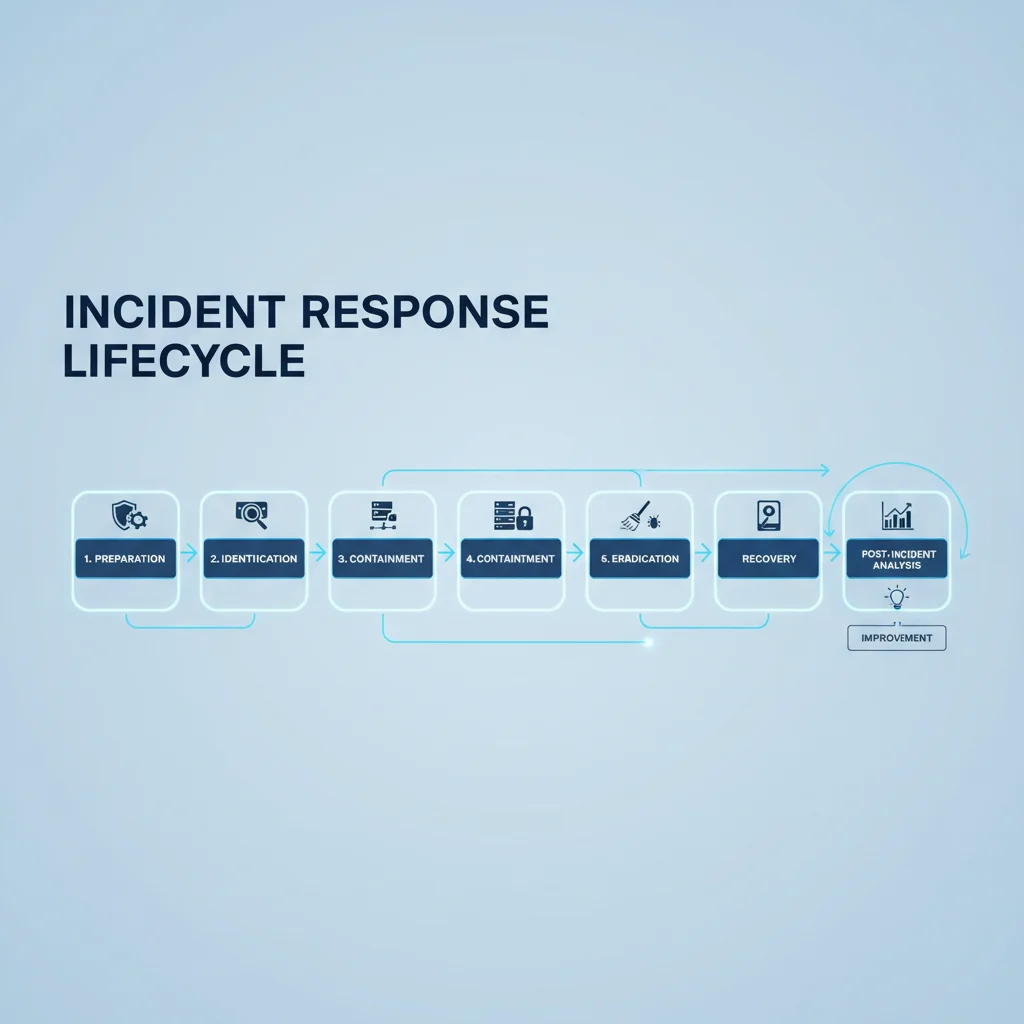
Before diving into specific tools, it’s crucial to understand the phases of the incident response lifecycle, as defined by frameworks like NIST (National Institute of Standards and Technology). Each phase requires specific capabilities, many of which are delivered or enhanced by specialized Incident Response Software:
- Preparation: This foundational phase involves establishing policies, procedures, and building the incident response team. It also includes implementing preventative security measures and ensuring that all systems are properly patched and configured. Relevant software includes security information and event management (SIEM), vulnerability management, and threat intelligence platforms.
- Identification: This phase focuses on detecting and analyzing security events to determine if an incident has occurred. It involves monitoring systems, logs, and network traffic for anomalies and indicators of compromise (IoCs). Tools like Endpoint Detection and Response (EDR), Network Detection and Response (NDR), and Security Orchestration, Automation, and Response (SOAR) are critical here.
- Containment: Once an incident is identified, the goal is to limit its scope and prevent further damage. This might involve isolating affected systems, blocking malicious IP addresses, or shutting down compromised services. Automation provided by SOAR platforms can significantly speed up this process.
- Eradication: This phase focuses on removing the root cause of the incident and any malicious components from the environment. This could involve cleaning infected systems, patching vulnerabilities, and resetting compromised credentials.
- Recovery: The objective here is to restore affected systems and services to normal operation. This includes restoring data from backups, verifying system integrity, and monitoring for any signs of recurrence.
- Post-Incident Analysis (Lessons Learned): This crucial final phase involves reviewing the incident, identifying what went wrong, and implementing improvements to prevent similar incidents in the future. Documentation from forensic tools and SOAR platforms is invaluable here.
Each of these phases benefits immensely from the right Incident Response Software, turning a chaotic reactive scramble into a structured, efficient process.
Key Categories of Incident Response Software for 2026
As U.S. businesses plan for 2026, investing in a comprehensive suite of Incident Response Software is paramount. Here are the essential categories and examples of tools within them:
1. Security Information and Event Management (SIEM) & Extended Detection and Response (XDR)
Role: These platforms are the central nervous system of your security operations. SIEM aggregates and analyzes log data from across your entire IT environment (servers, network devices, applications, security tools) to detect anomalies and potential threats. XDR builds upon EDR, integrating data from endpoints, networks, cloud, and email to provide even broader visibility and correlated threat detection.
- Key Capabilities: Log aggregation, correlation rules, real-time alerting, threat detection, compliance reporting, behavioral analytics. XDR adds deeper forensic capabilities and automated response actions across multiple domains.
- Why it’s essential for 2026: The sheer volume of data generated by modern IT environments makes manual analysis impossible. SIEM and XDR provide the necessary intelligence to identify sophisticated attacks that might otherwise go unnoticed. They are foundational for any effective Incident Response Software strategy.
- Examples: Splunk Enterprise Security, IBM QRadar, Microsoft Sentinel, Cortex XDR by Palo Alto Networks, CrowdStrike Falcon XDR.
2. Endpoint Detection and Response (EDR)
Role: EDR solutions continuously monitor endpoints (laptops, desktops, servers) for malicious activity, providing deep visibility into what’s happening on individual devices. They are crucial for detecting fileless malware, insider threats, and advanced persistent threats (APTs) that bypass traditional antivirus.
- Key Capabilities: Real-time endpoint monitoring, behavioral analysis, threat hunting, automated response (e.g., isolating an endpoint, killing processes), forensic data collection.
- Why it’s essential for 2026: Endpoints remain a primary target for attackers. EDR provides the granular visibility and rapid response capabilities needed to contain breaches at the earliest possible stage, making it a cornerstone of Incident Response Software.
- Examples: CrowdStrike Falcon Insight, SentinelOne Singularity, Microsoft Defender for Endpoint, Carbon Black Cloud.
3. Network Detection and Response (NDR)
Role: NDR tools monitor network traffic for suspicious patterns, anomalies, and known threat indicators. They provide visibility into communications between devices, cloud resources, and external networks, helping to detect lateral movement, command-and-control communications, and data exfiltration.
- Key Capabilities: Traffic analysis, behavioral analytics, threat detection, network forensics, anomaly detection.
- Why it’s essential for 2026: As cloud adoption grows, network visibility becomes even more complex. NDR complements EDR by providing a network-level perspective, essential for comprehensive incident detection and part of a robust Incident Response Software toolkit.
- Examples: Vectra AI, Darktrace, ExtraHop Reveal(x).

4. Security Orchestration, Automation, and Response (SOAR)
Role: SOAR platforms are designed to streamline and automate security operations, integrating various security tools and defining playbooks for common incident types. They reduce manual effort, speed up response times, and ensure consistent execution of incident response procedures.
- Key Capabilities: Workflow automation, playbook execution, case management, threat intelligence integration, integration with other security tools (SIEM, EDR, firewalls).
- Why it’s essential for 2026: The volume of alerts can overwhelm security teams. SOAR automates repetitive tasks, allowing analysts to focus on more complex threats and significantly accelerating the incident response process. It’s a game-changer for efficient Incident Response Software deployment.
- Examples: Splunk SOAR (formerly Phantom), Palo Alto Networks Cortex XSOAR, IBM Resilient (now part of QRadar SOAR), Swimlane.
5. Threat Intelligence Platforms (TIPs)
Role: TIPs aggregate, normalize, and distribute threat intelligence from various sources (open-source, commercial, government feeds) to provide context on current and emerging threats. This intelligence helps security teams prioritize alerts, understand attacker TTPs, and proactively strengthen defenses.
- Key Capabilities: Threat data aggregation, correlation, analysis, sharing, integration with other security tools.
- Why it’s essential for 2026: Staying ahead of sophisticated attackers requires understanding their motives and methods. TIPs provide the crucial context needed to make informed incident response decisions and enhance the effectiveness of all other Incident Response Software.
- Examples: Recorded Future, ThreatConnect, Anomali ThreatStream.
6. Vulnerability Management & Penetration Testing Tools
Role: While primarily preventative, these tools are vital for reducing the attack surface and thus the likelihood of incidents. Vulnerability scanners identify weaknesses in systems and applications, while penetration testing tools simulate real-world attacks to uncover exploitable flaws.
- Key Capabilities: Automated vulnerability scanning, patch management integration, compliance scanning, exploit testing, security configuration auditing.
- Why it’s essential for 2026: Proactive vulnerability management is the first line of defense. By identifying and remediating weaknesses before they are exploited, businesses reduce the number of incidents requiring response, thus complementing their Incident Response Software strategy.
- Examples: Tenable Nessus, Qualys, Rapid7 InsightVM, Metasploit.
7. Digital Forensics and Incident Response (DFIR) Suites
Role: These specialized tools are used during the containment, eradication, and post-incident analysis phases to collect, preserve, and analyze digital evidence. They are critical for understanding the full scope of an attack, identifying the root cause, and supporting legal or regulatory requirements.
- Key Capabilities: Disk imaging, memory analysis, log analysis, malware analysis, timeline creation, evidence preservation.
- Why it’s essential for 2026: In the event of a significant breach, thorough digital forensics is indispensable for understanding how the breach occurred, what data was accessed, and how to prevent future occurrences. These tools are specialized components of a complete Incident Response Software arsenal.
- Examples: Mandiant Advantage, EnCase Forensic, FTK Imager, Autopsy.
Integrating Incident Response Software for Maximum Effectiveness
The true power of Incident Response Software isn’t in individual tools, but in their seamless integration. A fragmented security stack can create blind spots and slow down response times. Here are key considerations for integration:
- API-First Approach: Prioritize tools with robust APIs that allow for easy data exchange and automation with other platforms (e.g., SIEM feeding alerts to SOAR, SOAR triggering EDR actions).
- Centralized Visibility: Strive for a single pane of glass where security teams can view alerts, incidents, and response actions across the entire environment. XDR platforms are particularly strong in this area.
- Automated Workflows: Leverage SOAR to create automated playbooks that connect detection (SIEM/XDR, EDR, NDR) with response actions (firewall blocks, endpoint isolation, ticket creation).
- Threat Intelligence Sharing: Ensure your TIP integrates with your SIEM/XDR and SOAR to enrich alerts with context and enable proactive blocking of known threats.
- Cloud-Native Solutions: For businesses heavily invested in cloud infrastructure, prioritize cloud-native Incident Response Software that offers seamless integration with cloud security services and provides visibility into cloud workloads.
Building a Future-Ready Incident Response Team and Strategy for 2026
Technology alone is not enough. A successful incident response strategy for 2026 must also focus on people and processes:
- Skilled Personnel: Invest in training and recruiting cybersecurity professionals with expertise in using advanced Incident Response Software, threat hunting, and digital forensics.
- Clear Roles and Responsibilities: Define who is responsible for what during an incident, from initial detection to post-mortem analysis.
- Regular Drills and Exercises: Conduct tabletop exercises and simulated attacks to test your incident response plan and the effectiveness of your Incident Response Software tools. This helps identify gaps and refine procedures.
- Communication Plan: Establish clear communication protocols for internal stakeholders, legal counsel, regulatory bodies, and potentially customers and the public.
- Legal and Regulatory Compliance: Ensure your incident response plan and chosen Incident Response Software comply with all relevant U.S. federal and state regulations (e.g., NIST, HIPAA, CCPA, PCI DSS).
- Third-Party Vendor Management: Extend your incident response planning to include your critical third-party vendors, as their compromise can directly impact your business.
The Financial Impact of Neglecting Incident Response Software
The cost of a data breach is staggering and continues to rise. According to various industry reports, the average cost of a data breach in the U.S. is significantly higher than the global average. This cost includes:
- Detection and Escalation Costs: The resources spent on identifying and containing the breach.
- Lost Business Costs: Revenue loss due to downtime, reputational damage, and customer churn.
- Notification Costs: Expenses related to informing affected individuals and regulatory bodies.
- Post-Breach Response Costs: Legal fees, regulatory fines, credit monitoring services for affected individuals, and PR campaigns.
Investing in robust Incident Response Software is not an expense; it’s an investment in business resilience. By reducing detection times, accelerating containment, and streamlining recovery, these tools directly contribute to minimizing the financial fallout of a cyber incident. Organizations with mature incident response capabilities and well-integrated software typically experience significantly lower breach costs and faster recovery times.
Choosing the Right Incident Response Software for Your U.S. Business
Selecting the appropriate Incident Response Software requires careful consideration of several factors:
- Business Size and Industry: Small businesses may opt for integrated, simpler solutions, while larger enterprises with complex infrastructures will need more comprehensive and customizable platforms. Industry-specific compliance requirements will also dictate certain tool functionalities.
- Current Security Posture: Assess your existing security tools and identify gaps. Look for software that integrates well with your current stack.
- Budget: Pricing models vary significantly. Consider total cost of ownership (TCO), including licensing, implementation, training, and ongoing maintenance.
- Scalability: Choose solutions that can scale with your business growth and evolving threat landscape.
- Ease of Use and Management: The best software is only effective if your team can use it efficiently. Look for intuitive interfaces and good vendor support.
- Vendor Reputation and Support: Research vendor track records, customer reviews, and the quality of their technical support and threat intelligence feeds.
- Managed Security Service Providers (MSSPs): For businesses lacking internal cybersecurity expertise, partnering with an MSSP that leverages advanced Incident Response Software can be a cost-effective solution.
The Future of Incident Response Software: AI and Automation
Looking ahead to 2026 and beyond, the evolution of Incident Response Software will be heavily influenced by artificial intelligence (AI) and further automation. AI and machine learning (ML) are already enhancing threat detection by identifying subtle anomalies that human analysts might miss. In the future, we can expect:
- More Autonomous Response: AI-driven systems capable of making more sophisticated containment and eradication decisions without human intervention, particularly for well-understood threat patterns.
- Predictive Capabilities: AI analyzing vast datasets to predict potential attack vectors and vulnerabilities before they are exploited.
- Contextual Awareness: AI providing richer context for alerts, helping analysts understand the full narrative of an attack more quickly.
- Self-Healing Systems: Systems capable of automatically remediating vulnerabilities and recovering from minor incidents.
These advancements will make Incident Response Software even more potent, allowing businesses to respond to threats at machine speed and maintain a stronger defensive posture against increasingly complex attacks.
Conclusion: Fortifying U.S. Businesses with Essential Incident Response Software
For U.S. businesses in 2026, a proactive and technologically advanced approach to cybersecurity is no longer a luxury but a fundamental requirement for survival and success. The threat landscape is too volatile, and the consequences of a breach too severe, to rely on outdated methods or insufficient tools. Investing in a comprehensive suite of Incident Response Software – encompassing SIEM/XDR, EDR, NDR, SOAR, TIPs, vulnerability management, and DFIR tools – is the cornerstone of building a resilient and future-proof cybersecurity strategy.
By integrating these tools effectively, fostering a skilled incident response team, and continuously refining processes through drills and analysis, U.S. businesses can transform from reactive targets into proactive defenders. The right Incident Response Software not only minimizes the impact of security incidents but also instills confidence in customers, regulators, and stakeholders, ensuring that your business can navigate the digital future securely and successfully.