Mastering Data Privacy: Your 2026 Guide to Digital Footprint Protection

Mastering Data Privacy: A How-To Guide for Protecting Your Digital Footprint with 5 Key Tools in 2026
In an increasingly interconnected world, where every click, search, and purchase leaves a digital trace, the concept of digital privacy protection has never been more critical. As we navigate through 2026, the landscape of online security and personal data management continues to evolve, presenting both new challenges and innovative solutions. This comprehensive guide aims to equip you with the knowledge and tools necessary to master your data privacy, safeguard your digital footprint, and reclaim control over your personal information.
The sheer volume of data generated daily is staggering, and much of it pertains to you. From your browsing habits to your financial transactions, and from your social media interactions to your health records, a vast array of personal information is collected, stored, and often shared by countless entities. Understanding the scope of your digital footprint is the first step towards effective digital privacy protection. This article will delve into why data privacy matters more than ever, explore the common threats to your online security, and provide actionable strategies, alongside highlighting five key tools that will be indispensable in 2026 for robust digital privacy protection.
The Evolving Landscape of Digital Privacy in 2026
The year 2026 marks a significant period in the ongoing battle for digital privacy. Advancements in artificial intelligence (AI) and machine learning (ML) have made data collection and analysis more sophisticated than ever before. While these technologies offer numerous benefits, they also present new avenues for data exploitation and privacy breaches. Regulatory frameworks, such as GDPR and CCPA, continue to set precedents, but the global nature of the internet means that individuals must take proactive measures to protect themselves. The rise of quantum computing, though still nascent, also looms as a future threat to current encryption standards, underscoring the need for continuous vigilance and adaptation in digital privacy protection strategies.
Why Your Digital Footprint Matters
Your digital footprint is essentially the trail of data you leave behind as you use the internet. This includes everything from your social media posts, comments, and likes, to your online purchases, website visits, and even your IP address. This data can be pieced together to create a detailed profile of your life, preferences, and behaviors. This profile is incredibly valuable to advertisers, data brokers, and even malicious actors. Without adequate digital privacy protection, this information can be used for targeted advertising, identity theft, phishing scams, or even more insidious forms of manipulation.
Common Threats to Your Online Privacy
Understanding the threats is crucial for building effective defenses. In 2026, these threats include:
- Data Breaches: High-profile data breaches continue to expose millions of user records from major companies.
- Phishing and Social Engineering: Sophisticated scams designed to trick you into revealing personal information.
- Malware and Ransomware: Malicious software that can steal data or lock you out of your systems.
- Tracking Technologies: Cookies, web beacons, and device fingerprinting used by advertisers to monitor your online activities across websites.
- Government Surveillance: Laws and policies that allow governments to collect and monitor digital communications and data.
- IoT Vulnerabilities: Smart devices (home assistants, cameras, wearables) often have weak security, creating new entry points for attackers.
Each of these threats underscores the urgent need for comprehensive digital privacy protection strategies.
Essential Strategies for Robust Digital Privacy Protection
Building a strong defense against these threats requires a multi-faceted approach. Here are foundational strategies for enhancing your digital privacy protection:
1. Strong Passwords and Multi-Factor Authentication (MFA)
This is the bedrock of online security. Use unique, complex passwords for every account. A password manager can help you generate, store, and auto-fill these credentials securely. Always enable multi-factor authentication (MFA) wherever available. This adds an extra layer of security, typically requiring a code from your phone or a biometric scan, making it significantly harder for unauthorized users to access your accounts even if they have your password.
2. Understand and Manage Your Privacy Settings
Many online services, social media platforms, and applications offer extensive privacy settings. Take the time to review and customize these settings to limit the amount of personal information they collect and share. Be wary of default settings, which often prioritize convenience over privacy. Regularly audit these settings as platforms frequently update their interfaces and policies.
3. Be Mindful of What You Share Online
Every piece of information you post, share, or like online contributes to your digital footprint. Before sharing, consider: Who can see this? How might this information be used? Even seemingly innocuous details can be pieced together to reveal sensitive information. Practice conscious sharing to minimize your exposure.
4. Encrypt Your Communications and Data
Encryption scrambles your data, making it unreadable to anyone without the correct key. Use encrypted messaging apps (like Signal) for sensitive conversations. Ensure your hard drives and cloud storage are encrypted. When browsing, always look for ‘https’ in the URL, indicating an encrypted connection.
5. Regular Software Updates
Software vulnerabilities are a common entry point for attackers. Developers regularly release updates and patches to fix these security flaws. Make it a habit to update your operating systems, applications, and web browsers promptly to ensure you have the latest security protections. This proactive measure is a simple yet effective component of digital privacy protection.
6. Be Wary of Public Wi-Fi
Public Wi-Fi networks are often unsecured, making it easy for others to intercept your data. Avoid conducting sensitive transactions (banking, shopping) on public Wi-Fi. If you must use it, always connect via a Virtual Private Network (VPN) to encrypt your traffic.
Top 5 Key Tools for Digital Privacy Protection in 2026
Beyond best practices, several tools can significantly enhance your digital privacy protection. Here are five essential categories of tools to consider in 2026:
1. Virtual Private Networks (VPNs)
A VPN creates a secure, encrypted tunnel for your internet traffic, masking your IP address and encrypting your data as it travels between your device and the VPN server. This makes it difficult for internet service providers (ISPs), governments, and advertisers to track your online activities. In 2026, advanced VPNs offer features like split tunneling, kill switches, and enhanced obfuscation to bypass detection. When choosing a VPN, prioritize providers with a strict no-logs policy and a strong reputation for security.
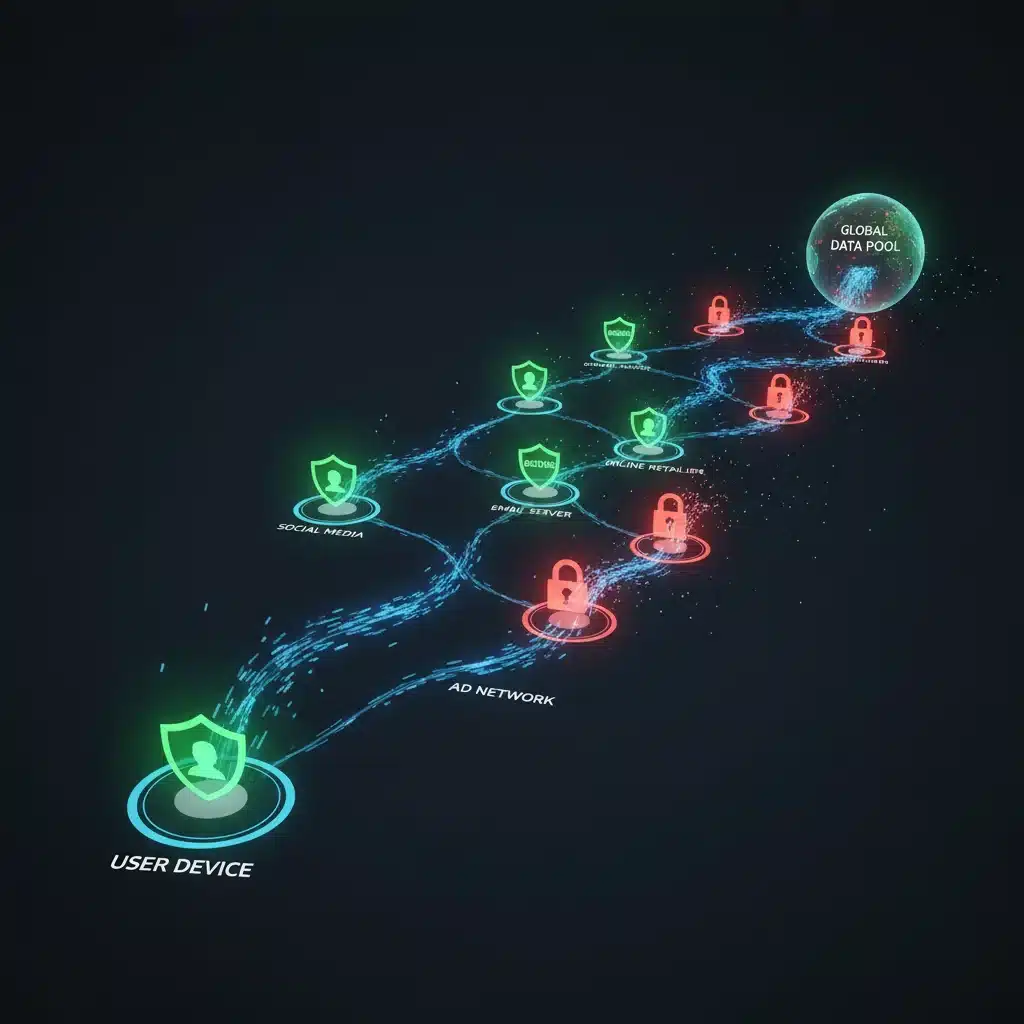
Why it’s essential: A VPN is your first line of defense against mass surveillance and data collection by ISPs and other entities. It’s crucial for maintaining anonymity and securing your connection, especially on public networks. For robust digital privacy protection, a reliable VPN is non-negotiable.
2. Password Managers
Gone are the days of memorizing dozens of complex passwords or, worse, reusing the same weak one. A password manager securely stores all your login credentials, generates strong, unique passwords for new accounts, and auto-fills them when you need them. They often integrate with browsers and mobile devices, offering a seamless and secure experience. Many also include features like secure notes, identity protection, and dark web monitoring.
Why it’s essential: By enforcing strong, unique passwords across all your accounts, a password manager dramatically reduces your vulnerability to credential stuffing attacks and data breaches. It’s a cornerstone of effective digital privacy protection.
3. Encrypted Messaging Applications
Standard text messages and many popular messaging apps lack end-to-end encryption, meaning your conversations can be intercepted and read. Encrypted messaging apps like Signal, Telegram (with secret chats), and others ensure that only the sender and intended recipient can read the messages. In 2026, the demand for secure communication is higher than ever, making these tools vital.
Why it’s essential: Protecting your private conversations from prying eyes is fundamental to digital privacy protection. These apps ensure that your personal communications remain truly private.
4. Privacy-Focused Web Browsers and Extensions
Mainstream browsers often come with built-in tracking mechanisms or are optimized for advertising. Privacy-focused browsers like Brave, Firefox (with enhanced tracking protection), or Tor Browser are designed to block trackers, ads, and fingerprinting by default. Complement these with browser extensions like uBlock Origin (ad blocker), Privacy Badger (blocks invisible trackers), and HTTPS Everywhere (ensures encrypted connections) to further harden your browsing experience.
Why it’s essential: These tools minimize the data collected about your browsing habits, preventing companies from building detailed profiles of your online activities. They are critical for preventing passive data collection and enhancing your digital privacy protection.
5. Secure Cloud Storage and Backup Solutions
Storing sensitive documents and photos in the cloud offers convenience but also poses privacy risks if not handled correctly. Opt for cloud storage providers that offer end-to-end encryption, meaning your data is encrypted before it leaves your device and only you hold the decryption key. Services like Proton Drive, Sync.com, or Tresorit are examples of providers prioritizing privacy and security. Regular, encrypted backups are also crucial for data recovery in case of loss or attack.

Why it’s essential: Your most sensitive files deserve the highest level of protection. Secure cloud storage ensures that your data remains private and accessible only to you, even when stored remotely, thereby strengthening your overall digital privacy protection posture.
The Future of Digital Privacy: What to Expect Beyond 2026
The journey towards complete digital privacy protection is ongoing. Beyond 2026, we can anticipate further advancements and challenges. Quantum-resistant cryptography will become increasingly important as quantum computing capabilities mature. Decentralized technologies, such as blockchain-based identity management and storage, may offer new paradigms for data control, giving individuals more ownership over their digital assets. AI, while a data collection enhancer, will also play a role in developing more sophisticated privacy-enhancing technologies, such as federated learning and differential privacy, which allow data analysis without exposing individual data points.
The regulatory landscape will also continue to evolve, with more countries implementing comprehensive data protection laws. However, the onus will always remain on the individual to stay informed and proactive. Continuous learning about new threats and tools will be paramount. Investing in education about online safety for yourself and your family will be just as important as investing in technology.
Building a Privacy-First Mindset
Ultimately, true digital privacy protection is not just about the tools you use; it’s about cultivating a privacy-first mindset. This involves critical thinking about every online interaction: questioning why a service needs certain permissions, scrutinizing privacy policies, and understanding the value of your personal data. It means being skeptical of unsolicited emails and messages, and recognizing the signs of phishing attempts. It’s about making informed choices that align with your personal privacy values.
Embracing a privacy-first mindset means advocating for stronger privacy protections from companies and governments. It means supporting organizations that champion digital rights and contribute to open-source privacy tools. Your individual actions contribute to a larger movement towards a more private and secure digital world for everyone.
Conclusion
Mastering digital privacy protection in 2026 is an achievable goal, but it requires diligence, awareness, and the right set of tools. By adopting strong security practices, understanding the threats, and leveraging the five key tools discussed – VPNs, password managers, encrypted messaging apps, privacy-focused browsers/extensions, and secure cloud storage – you can significantly enhance your control over your digital footprint. The digital world is constantly changing, but with a proactive and informed approach, you can navigate its complexities securely and confidently, ensuring your personal data remains truly yours. Take these steps today to fortify your digital defenses and embrace a future where your privacy is protected.