Mastering High-Volume Email: Best Management Apps 2026
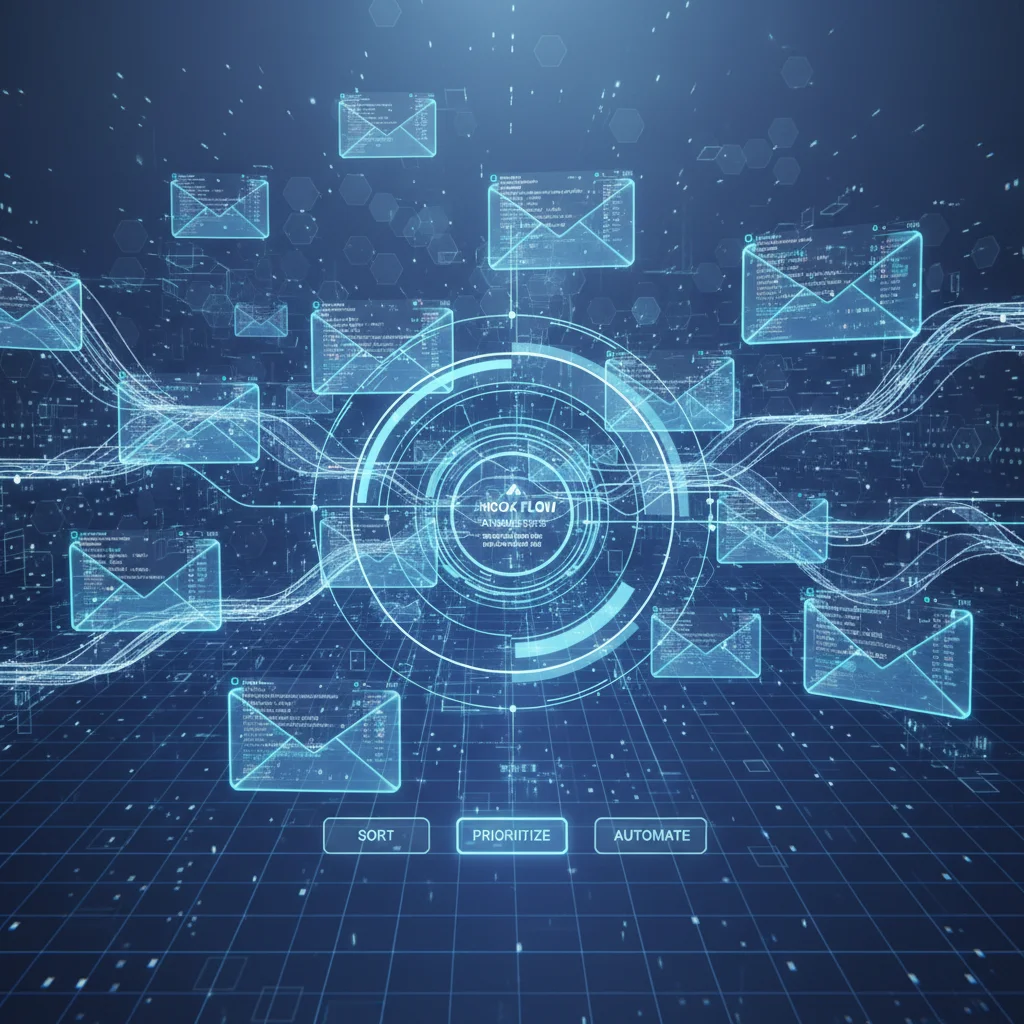
In the digital age, email remains the cornerstone of professional communication. However, for individuals and businesses dealing with over 100,000 emails annually, managing this deluge can quickly become an overwhelming task, hindering productivity and increasing stress. The year 2026 brings with it an array of sophisticated email management applications designed to tackle this exact challenge. These aren’t just your average inbox clients; they are powerhouses equipped with advanced AI, robust automation, and seamless integration capabilities, all aimed at transforming your high-volume email experience from chaotic to controlled.
The sheer volume of incoming messages can obscure critical communications, lead to missed opportunities, and consume countless hours that could be better spent on core tasks. This is where specialized High-Volume Email Management apps become indispensable. They offer solutions far beyond simple sorting, providing intelligent filtering, proactive task generation, and comprehensive analytics to give users unprecedented control over their digital correspondence. This article delves deep into the leading email management apps of 2026, comparing their features, AI capabilities, integration ecosystems, and pricing models to help you make an informed decision for your specific needs.
The Evolution of Email Management: Why 2026 is Different
The landscape of email management has undergone a significant transformation. What was once a manual, time-consuming process has evolved into a highly automated and intelligent endeavor. In 2026, the emphasis is squarely on leveraging artificial intelligence and machine learning to predict user needs, automate routine tasks, and provide actionable insights. This shift is particularly crucial for those grappling with High-Volume Email Management, where traditional methods simply fail to keep pace.
Key Drivers of Change:
- Advanced AI and Machine Learning: AI is no longer a nascent technology in email. It’s now deeply integrated, offering predictive text, smart replies, intelligent categorization, and even sentiment analysis to prioritize urgent communications.
- Hyper-Personalization: Email apps are becoming more adept at understanding individual user habits and preferences, tailoring the inbox experience to maximize efficiency.
- Seamless Integrations: The modern professional workflow rarely relies on a single tool. Email management apps in 2026 boast extensive integrations with CRM systems, project management tools, calendars, and communication platforms, creating a unified digital workspace.
- Enhanced Security and Privacy: With increasing cyber threats, robust security features, including advanced encryption, phishing detection, and data privacy controls, are paramount.
- Focus on Well-being and Digital Detox: Recognizing the toll that constant notifications take, many apps now incorporate features designed to reduce digital fatigue, such as focus modes, scheduled delivery, and intelligent notification management.
These advancements are not just incremental improvements; they represent a paradigm shift in how we interact with our inboxes. For anyone managing a substantial volume of emails, understanding these changes is the first step towards reclaiming control and boosting productivity.
Core Features for Effective High-Volume Email Management
When evaluating email management apps for handling over 100,000 emails annually, certain features move from ‘nice-to-have’ to ‘absolutely essential’. These core functionalities are what differentiate a standard email client from a true High-Volume Email Management powerhouse.
Essential Feature Checklist:
- Intelligent Filtering & Prioritization: Beyond basic spam filters, these apps use AI to learn your communication patterns, automatically categorize emails (e.g., urgent, newsletters, social, promotions), and highlight what needs immediate attention.
- Automation Rules & Workflows: The ability to create complex rules that automate actions like archiving, forwarding, labeling, and even generating tasks based on sender, keywords, or subject lines. This is critical for reducing manual effort.
- Smart Search & Archiving: A lightning-fast and highly accurate search function is non-negotiable. Combined with efficient archiving, it ensures that no important information is ever truly lost, even amidst hundreds of thousands of messages.
- Unified Inbox & Account Management: For users with multiple email accounts, a unified inbox that consolidates all communications without sacrificing individual account integrity is a major time-saver.
- Advanced Analytics & Reporting: Understanding your email habits and identifying bottlenecks is crucial. Apps offering insights into email volume, response times, and sender statistics can help optimize your workflow.
- Team Collaboration Features: For shared inboxes or team projects, features like shared drafts, delegated access, internal notes, and assignment capabilities are vital for streamlined collaboration.
- Offline Access: The ability to access, compose, and organize emails without an internet connection ensures productivity isn’t halted by connectivity issues.
- Robust Security Measures: End-to-end encryption, two-factor authentication, phishing protection, and compliance with data protection regulations (e.g., GDPR, CCPA) are fundamental.
Each of these features contributes significantly to reducing the cognitive load associated with high email volumes, allowing users to focus on meaningful interactions rather than administrative overhead.
Top Email Management Apps in 2026: A Detailed Comparison
Let’s dive into the specifics of the leading contenders for High-Volume Email Management in 2026. While each offers a unique value proposition, they all excel in handling substantial email traffic. We’ll examine their strengths, target audience, and key differentiating factors.
1. SuperInbox AI (Formerly InboxGenius)
Overview: SuperInbox AI has emerged as a frontrunner, particularly for professionals and teams drowning in data. Its rebranding reflects a deeper commitment to AI-driven solutions. It’s built from the ground up to handle extreme volumes with unparalleled efficiency.
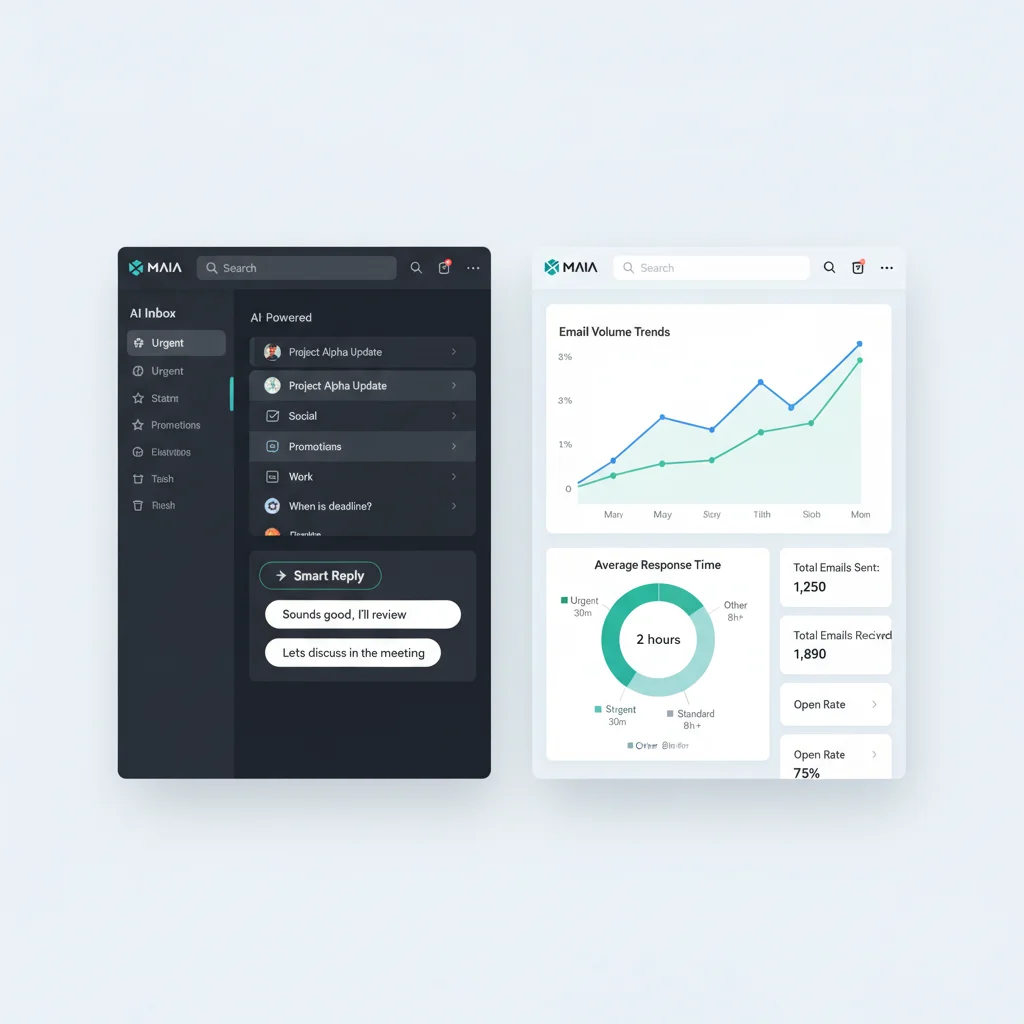
- AI Capabilities: Features include predictive email categorization (e.g., ‘Action Required’, ‘Read Later’, ‘Information Only’), AI-generated smart replies, sentiment analysis for prioritizing emotionally charged or urgent messages, and AI-powered summarization of long email threads.
- Automation: Offers highly customizable rule-based automation with natural language processing (NLP) to create complex workflows without coding. Think ‘If email from [client] with keyword [project name] arrives, then create Trello card and notify [team member]’.
- Integrations: Extensive integrations with Salesforce, HubSpot, Asana, Trello, Slack, Google Workspace, Microsoft 365, and proprietary APIs for custom connections.
- Analytics: Provides detailed dashboards on email traffic, response times, peak hours, and team performance metrics.
- Pricing: Tiered subscriptions starting from a robust ‘Professional’ plan for individuals, scaling up to ‘Enterprise’ solutions with dedicated support and custom features.
- Best For: Marketing agencies, sales teams, customer support centers, and executives who require intelligent automation and deep insights to manage thousands of daily communications.
2. ProtonMail Pro (Enhanced for Enterprise)
Overview: While traditionally known for its security and privacy, ProtonMail Pro in 2026 has significantly beefed up its organizational and High-Volume Email Management features, making it a strong contender for privacy-conscious organizations.
- AI Capabilities: Focuses on AI for enhanced security, such as advanced phishing detection and anomaly detection in email patterns. Its organizational AI helps with smart filtering and basic categorization, though less aggressively than SuperInbox AI.
- Automation: Offers strong rule-based filtering and auto-response mechanisms. Less emphasis on complex workflow automation, prioritizing security and simplicity.
- Integrations: Growing ecosystem with secure API access, integrating with secure cloud storage, calendar apps, and basic CRM systems. Integrations are vetted for privacy compliance.
- Security: End-to-end encryption, zero-access encryption, and located in Switzerland, ensuring robust data protection laws.
- Pricing: Premium plans emphasize security and storage, with scalable options for businesses needing custom domains and user management.
- Best For: Organizations handling sensitive information, legal firms, healthcare providers, and any entity where privacy and security are paramount, even with high email volumes.
3. Front (Workflows & Collaboration Focus)
Overview: Front continues to excel as a shared inbox and team collaboration platform, ideal for customer support, sales, and operations teams managing a collective flood of emails. Its 2026 iteration offers even more sophisticated collaborative tools.
- AI Capabilities: AI-powered routing of customer inquiries, auto-tagging based on content, and suggested responses for common questions. Helps reduce response times significantly.
- Automation: Unmatched in workflow automation for team environments. Create rules to assign emails, set SLAs, send internal notifications, and trigger actions in external systems.
- Integrations: Deep integrations with customer service platforms (Zendesk, Intercom), CRMs (Salesforce, Zoho), communication tools (Slack, Microsoft Teams), and custom webhook support.
- Collaboration: Shared drafts, internal comments on emails, collision detection, and analytics on team performance.
- Pricing: Geared towards teams, with pricing based on users and advanced features. Offers robust analytics and admin controls for larger organizations.
- Best For: Customer support teams, sales departments, and operations teams that rely on collaborative inbox management and require granular control over team workflows.
4. Edison Mail+ (Personal & Prosumer Powerhouse)
Overview: Edison Mail+ has evolved into a powerful tool for individual power users and prosumers who handle significant email volumes across multiple personal and professional accounts. Its focus is on speed and intelligent organization.
- AI Capabilities: AI-driven assistant for subscriptions management, travel notifications, package tracking, and bill reminders. Smart categorization helps declutter the inbox automatically.
- Automation: One-tap unsubscribe, smart folders, and a ‘Block Sender’ feature that prevents future emails from reaching your inbox. Focuses on personal productivity automation.
- Integrations: Integrates with popular calendar apps, cloud storage, and basic task managers. Less emphasis on enterprise-level CRM integrations.
- User Experience: Known for its sleek interface, speed, and intuitive gestures. Designed for mobile-first productivity.
- Pricing: Freemium model with Edison Mail+ offering advanced features like enhanced security, read receipt blocking, and more sophisticated AI assistants.
- Best For: Freelancers, consultants, individual entrepreneurs, and anyone seeking a highly efficient, AI-augmented personal email client to manage a high volume of diverse correspondence.
5. Outlook 365 (Enterprise Ecosystem)
Overview: Microsoft Outlook, especially within the Microsoft 365 ecosystem, remains a dominant force for enterprise High-Volume Email Management. Its 2026 iteration leverages Azure AI and deep integration with other Microsoft services.
- AI Capabilities: ‘Focused Inbox’ that learns user preferences, ‘Suggested Replies’, ‘Meeting Insights’ for summarizing meeting-related emails, and advanced search powered by Microsoft Graph.
- Automation: Rules and Quick Steps for automating common tasks, integration with Power Automate (Flow) for complex cross-app workflows.
- Integrations: Unparalleled integration within the Microsoft ecosystem (Teams, SharePoint, OneDrive, Dynamics 365) and extensive third-party add-ins through the Microsoft AppSource.
- Security: Advanced Threat Protection (ATP), data loss prevention (DLP), and compliance features inherent to the Microsoft 365 suite.
- Pricing: Included in Microsoft 365 subscriptions, with various tiers offering different levels of features and storage.
- Best For: Large enterprises, organizations deeply embedded in the Microsoft ecosystem, and teams requiring robust compliance, security, and a unified communication platform.
The Role of AI in Revolutionizing High-Volume Email Management
Artificial Intelligence is not just a buzzword in 2026; it’s the backbone of effective High-Volume Email Management. Its capabilities extend far beyond simple spam filtering, touching almost every aspect of email interaction. For users receiving over 100,000 emails annually, AI is the key to maintaining sanity and productivity.
How AI Transforms Email:
- Intelligent Prioritization: AI algorithms learn which emails are most important to you based on sender, keywords, past interactions, and even your calendar, automatically placing them at the top of your inbox or in a ‘focused’ view.
- Content Summarization: For lengthy threads or newsletters, AI can generate concise summaries, allowing you to grasp the main points without reading every word.
- Smart Replies and Composing: AI suggests relevant short replies, saving time on routine responses. Advanced AI can even help draft longer emails by understanding the context and your typical writing style.
- Task and Event Extraction: AI can automatically identify action items, meeting requests, or deadlines within emails and integrate them with your calendar or task management system.
- Sentiment Analysis: Some advanced apps use AI to detect the emotional tone of incoming emails, helping you gauge urgency or potential issues before even opening them.
- Predictive Archiving & Deletion: Based on your past actions, AI can suggest archiving or deleting emails it deems irrelevant or low-priority, keeping your inbox cleaner.
- Personalized Learning: The more you use an AI-powered email app, the smarter it becomes. It learns your preferences, your definition of ‘important,’ and your workflow, continually refining its assistance.
The integration of AI transforms email from a passive repository into an active assistant, proactively helping you manage, prioritize, and respond to your communications. This is particularly valuable when dealing with the sheer volume of emails that characterize professional life in 2026.
Seamless Integrations: Connecting Your Email to Your Workflow
In today’s interconnected professional environment, an email app cannot exist in isolation. Its ability to integrate seamlessly with other tools in your digital ecosystem is crucial, especially for efficient High-Volume Email Management. The best apps in 2026 act as central hubs, connecting your communication to your tasks, projects, and customer relationships.
Key Integration Categories:
- CRM Systems (e.g., Salesforce, HubSpot, Zoho CRM): Automatically log email conversations with contacts, create new leads, update deal stages, and access customer history directly from your inbox. This is invaluable for sales and support teams.
- Project Management Tools (e.g., Asana, Trello, Jira, Monday.com): Convert emails into tasks, assign them to team members, set deadlines, and track progress without leaving your email client.
- Calendar Applications (e.g., Google Calendar, Outlook Calendar): Effortlessly schedule meetings, accept invitations, and add events based on email content.
- Communication Platforms (e.g., Slack, Microsoft Teams): Share important emails or threads directly into team chat channels for quick discussion and collaboration.
- Cloud Storage (e.g., Google Drive, OneDrive, Dropbox): Easily attach files from cloud storage or save email attachments directly to your preferred cloud service.
- Note-Taking Apps (e.g., Evernote, Notion): Forward important emails or snippets to your note-taking system for future reference or project documentation.
- Automation Platforms (e.g., Zapier, IFTTT, Power Automate): Create custom, multi-step workflows that connect your email with virtually any other web service, extending its capabilities far beyond its native features.
The depth and breadth of an app’s integration ecosystem directly impact its utility for High-Volume Email Management. A well-integrated email client reduces context switching, minimizes manual data entry, and ensures that all relevant information is accessible from a single, centralized location.
Security and Privacy in High-Volume Email Environments
Handling a large volume of emails inherently means managing a significant amount of potentially sensitive data. Therefore, the security and privacy features of your chosen email management app in 2026 are non-negotiable. Cyber threats are more sophisticated than ever, and data breaches can have severe consequences for individuals and organizations alike.
Critical Security & Privacy Features:
- End-to-End Encryption (E2EE): Ensures that only the sender and intended recipient can read the email’s content, protecting it from eavesdropping.
- Two-Factor Authentication (2FA) / Multi-Factor Authentication (MFA): Adds an extra layer of security beyond just a password, significantly reducing the risk of unauthorized access.
- Advanced Phishing and Malware Detection: Utilizes AI and machine learning to identify and quarantine malicious emails, links, and attachments before they can cause harm.
- Data Loss Prevention (DLP): Tools that prevent sensitive information from being sent outside authorized channels, crucial for compliance and intellectual property protection.
- Compliance with Regulations (GDPR, CCPA, HIPAA): Ensures the app adheres to strict data protection and privacy laws, vital for businesses operating internationally or in regulated industries.
- Zero-Access Encryption: Even the service provider cannot access your unencrypted emails, providing an additional layer of privacy.
- Auditing and Logging: For enterprise users, the ability to audit email access and activity logs is essential for security monitoring and compliance.
- Secure Data Centers: Information about where data is stored and the physical security measures in place.
When selecting an app for High-Volume Email Management, a thorough review of its security protocols and privacy policy is just as important as its feature set. Prioritizing robust protection ensures that your vast email archive remains safe and confidential.

Choosing the Right App for Your High-Volume Email Needs
With a comprehensive understanding of the features, AI capabilities, integrations, and security aspects, the final step is to determine which email management app is the best fit for your specific situation. The ‘best’ app isn’t a universal truth; it’s highly dependent on individual or organizational requirements.
Considerations for Selection:
- Your Primary Use Case: Are you an individual power user, a small business, a customer support team, or a large enterprise? Each app has a target audience it serves best.
- Volume & Complexity: While all discussed apps handle high volume, consider the complexity of your email interactions. Do you need simple prioritization or intricate multi-step workflows?
- Budget: Pricing models vary significantly. Evaluate the cost against the features offered and your projected ROI in terms of time saved and productivity gained.
- Integration Ecosystem: List all the other tools you regularly use. Does the email app integrate seamlessly with them? Are there native integrations or do you need third-party connectors?
- Security & Compliance Needs: If you handle sensitive data, prioritize apps with advanced encryption, robust privacy policies, and compliance certifications.
- User Interface & Ease of Use: A powerful app is only effective if it’s intuitive to use. Test out trials to see which interface resonates best with your workflow.
- Scalability: Will the app grow with your needs? If your email volume or team size is expected to increase, ensure the chosen solution can scale accordingly.
- Support: What kind of customer support is offered? For critical business operations, reliable and responsive support can be invaluable.
Don’t be afraid to utilize free trials or freemium versions to get a hands-on feel for the applications. The investment in the right High-Volume Email Management solution will pay dividends in increased productivity, reduced stress, and more efficient communication.
Future Trends in Email Management for 2026 and Beyond
The evolution of email management is far from over. As we look beyond 2026, several trends are poised to further redefine how we interact with our inboxes, especially for those managing vast quantities of messages.
Emerging Trends:
- Even Deeper AI Integration: Expect AI to become even more proactive, anticipating needs before they arise, potentially drafting entire responses with minimal human input, and even orchestrating multi-party communications.
- Voice-Activated Email Management: Integration with advanced voice assistants will allow users to manage their inboxes hands-free, dictating replies, archiving messages, and setting reminders through natural language commands.
- Augmented Reality (AR) Interfaces: While still nascent, AR could revolutionize how we visualize and interact with our email data, perhaps overlaying contextual information onto our physical environment or creating immersive digital workspaces.
- Blockchain for Enhanced Security & Verifiability: Distributed ledger technology could be used to create immutable records of email communications, enhancing security, verifying authenticity, and simplifying compliance.
- Holistic Digital Workspace Platforms: Email will become an even more integrated component of broader digital workspace platforms that unify communication, project management, file sharing, and collaboration into a single, seamless experience.
- Focus on Digital Well-being: Continued innovation in features that help users manage their digital consumption, reduce interruptions, and protect their mental health from information overload.
These trends suggest a future where email management is not just about organizing messages, but about intelligent assistance, seamless integration with our lives, and a proactive approach to communication. For those engaged in High-Volume Email Management, these advancements promise even greater efficiency and a more harmonious digital existence.
Conclusion: Empowering Your Inbox in 2026
Managing over 100,000 emails annually is no trivial feat. It demands more than just a basic email client; it requires a sophisticated, intelligent, and highly integrated High-Volume Email Management solution. The apps reviewed – SuperInbox AI, ProtonMail Pro, Front, Edison Mail+, and Outlook 365 – each offer compelling features designed to transform your email experience from a burden into a powerful productivity tool.
Whether your priority is cutting-edge AI automation, uncompromised privacy, collaborative team workflows, personal productivity, or enterprise-grade integration, there’s a solution tailored for you in 2026. By carefully evaluating your specific needs against the advanced capabilities of these platforms, you can reclaim valuable time, reduce digital stress, and ensure that your most critical communications are never lost in the deluge. Embrace the future of email management and empower your inbox to work for you, not against you.