Achieve 90% Cloud Compliance: The Power of CSPM Software by 2026

In the rapidly evolving landscape of digital transformation, cloud computing has become the backbone of modern enterprises. While offering unparalleled flexibility, scalability, and cost-effectiveness, the migration to cloud environments also introduces a complex array of security and compliance challenges. Organizations are grappling with an ever-increasing volume of data, diverse cloud services, and a labyrinth of regulatory requirements that demand stringent adherence. The imperative to achieve and maintain robust cloud compliance is no longer a luxury but a fundamental necessity for business continuity, data protection, and maintaining stakeholder trust. This article delves into the critical role of Cloud Security Posture Management (CSPM) software in navigating this complexity, with a clear objective: enabling organizations to achieve an impressive 90% compliance with cloud regulations by mid-2026.
The journey towards achieving high levels of cloud compliance is fraught with obstacles. Misconfigurations, shadow IT, lack of visibility, and the dynamic nature of cloud environments contribute to a constant state of flux, making manual compliance efforts unsustainable and prone to error. This is precisely where Cloud Compliance CSPM solutions emerge as indispensable tools. By automating the identification, assessment, and remediation of security misconfigurations and compliance deviations, CSPM software provides the necessary intelligence and control to ensure that cloud resources align with internal policies and external regulatory frameworks.
Understanding the Cloud Compliance Landscape
Before we explore the intricacies of CSPM, it’s crucial to grasp the current cloud compliance landscape. Organizations today face a multitude of regulations, including but not limited to:
- GDPR (General Data Protection Regulation): Protecting personal data and privacy in the European Union.
- HIPAA (Health Insurance Portability and Accountability Act): Ensuring the privacy and security of patient health information in the U.S.
- PCI DSS (Payment Card Industry Data Security Standard): Securing credit card transactions.
- SOC 2 (Service Organization Control 2): Reporting on controls at a service organization relevant to security, availability, processing integrity, confidentiality, or privacy.
- ISO 27001: An international standard for information security management systems.
- NIST Cybersecurity Framework: A set of guidelines for improving critical infrastructure cybersecurity.
Each of these regulations comes with its own set of technical and organizational requirements, often mandating specific configurations, access controls, data encryption, and logging practices within cloud environments. The challenge is not just to meet these requirements once, but to maintain continuous adherence as cloud infrastructure evolves and new services are adopted. Manual audits and reactive security measures are simply inadequate in this dynamic context. This is where the proactive capabilities of Cloud Compliance CSPM become paramount.
The Emergence of Cloud Security Posture Management (CSPM)
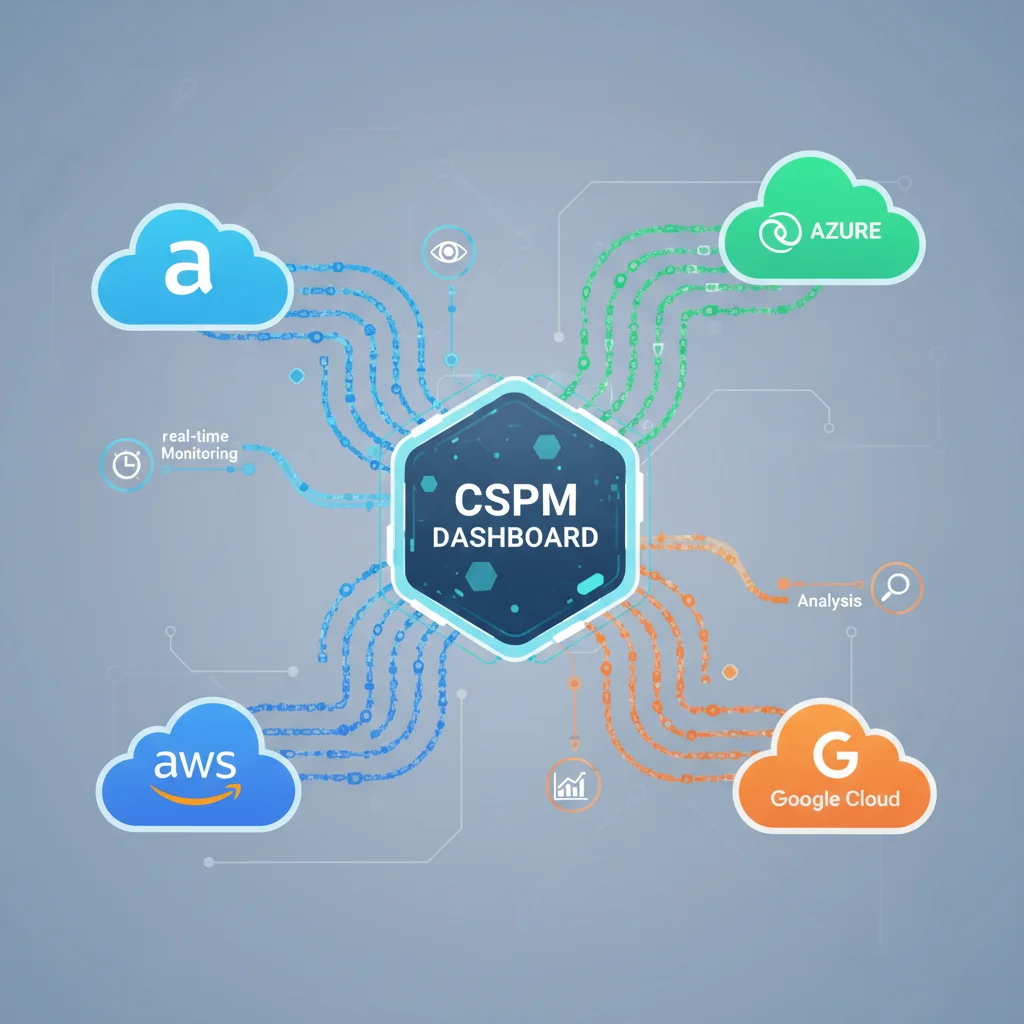
CSPM software is designed to continuously monitor cloud environments for security risks and compliance violations. It provides a holistic view of an organization’s cloud security posture across various cloud service providers (CSPs) such as AWS, Azure, Google Cloud, and others. Key functionalities of CSPM include:
- Continuous Asset Discovery and Inventory: Automatically identifying all cloud resources, including virtual machines, storage buckets, databases, and network configurations.
- Security Baseline and Policy Enforcement: Defining and enforcing security policies and compliance standards across the cloud infrastructure.
- Misconfiguration Detection: Identifying common cloud misconfigurations that could lead to security breaches, such as publicly exposed storage buckets, overly permissive access controls, or unencrypted data.
- Compliance Monitoring: Mapping cloud configurations against various regulatory frameworks and industry best practices, providing real-time compliance status.
- Risk Prioritization: Using contextual information to prioritize identified risks based on their potential impact and likelihood.
- Automated Remediation: Offering automated or guided remediation steps to fix identified issues, often integrating with existing DevOps pipelines.
- Threat Detection and Alerting: Providing alerts for suspicious activities or deviations from established security policies.
- Reporting and Auditing: Generating comprehensive reports for compliance audits and demonstrating adherence to regulatory requirements.
The core value proposition of CSPM lies in its ability to shift organizations from a reactive security stance to a proactive and preventative one. By continuously scanning and analyzing cloud configurations, CSPM helps organizations identify and rectify potential security gaps before they can be exploited, thereby significantly bolstering their overall cloud security posture and enabling robust Cloud Compliance CSPM.
Setting the 90% Compliance Target by Mid-2026
Achieving 90% compliance with cloud regulations by mid-2026 is an ambitious yet attainable goal for organizations committed to leveraging CSPM effectively. This target signifies a mature approach to cloud security, moving beyond basic adherence to a state of continuous, optimized compliance. To reach this benchmark, organizations must embrace a strategic implementation of CSPM, integrating it deeply into their cloud operations and security workflows.
Why 90%? The Business Imperative
- Reduced Risk Exposure: Higher compliance directly correlates with a lower attack surface and reduced risk of data breaches and cyberattacks.
- Avoidance of Fines and Penalties: Non-compliance can lead to severe financial penalties, legal repercussions, and reputational damage.
- Enhanced Customer Trust: Demonstrating strong compliance builds confidence with customers, partners, and stakeholders, especially in data-sensitive industries.
- Operational Efficiency: Automated compliance processes free up security teams to focus on strategic initiatives rather than manual checks.
- Competitive Advantage: Organizations with a strong compliance posture are often preferred by clients and partners, providing a distinct market advantage.
The 90% target isn’t about perfection, but about establishing a robust, resilient, and continuously improving compliance framework. The remaining 10% acknowledges the inherent complexities, dynamic nature of cloud environments, and the continuous evolution of threats and regulations. However, reaching 90% signifies that the vast majority of critical compliance requirements are consistently met and maintained through automated and intelligent systems provided by Cloud Compliance CSPM.
Key Strategies for Achieving 90% Cloud Compliance with CSPM
To successfully implement CSPM and reach the 90% compliance goal, organizations need a multi-faceted approach:
1. Comprehensive Cloud Asset Discovery and Inventory
The first step in any effective security and compliance program is knowing what you have. CSPM tools excel at discovering all cloud assets across multi-cloud and hybrid environments. This includes not just visible resources but also shadow IT and unmanaged assets. A complete inventory is essential for ensuring that no resource falls outside the scope of compliance monitoring. Without this foundational visibility, achieving high compliance rates is impossible. The continuous discovery feature of Cloud Compliance CSPM ensures that as new resources are provisioned, they are immediately brought under compliance scrutiny.
2. Policy Definition and Baseline Configuration
Organizations must define clear security policies and compliance baselines tailored to their specific regulatory obligations and risk appetite. CSPM platforms come with pre-built compliance frameworks (e.g., NIST, PCI DSS, GDPR) that can be customized. This allows organizations to establish a ‘golden standard’ for their cloud configurations. Any deviation from this baseline is flagged as a compliance violation, triggering alerts and remediation workflows. This proactive policy enforcement is a cornerstone of effective Cloud Compliance CSPM.
3. Continuous Monitoring and Real-time Detection
Cloud environments are inherently dynamic, with resources being provisioned, de-provisioned, and reconfigured constantly. Manual, periodic audits cannot keep pace. CSPM provides continuous, real-time monitoring of cloud configurations against defined policies. This ensures that any misconfiguration or policy violation is detected almost instantaneously, minimizing the window of exposure. Real-time alerts allow security teams to respond swiftly, preventing minor issues from escalating into major security incidents or compliance breaches.
4. Automated Remediation and Workflow Integration
One of the most powerful features of CSPM is its ability to automate remediation. For many common misconfigurations, CSPM can automatically apply the correct settings or provide guided remediation steps. This significantly reduces the manual effort required from security teams and accelerates the compliance feedback loop. Integrating CSPM with existing IT service management (ITSM) tools, security information and event management (SIEM) systems, and DevOps pipelines ensures that compliance issues are addressed efficiently within established operational workflows. This automation is key to achieving and sustaining high levels of Cloud Compliance CSPM.
5. Risk Prioritization and Contextual Intelligence
Not all compliance violations carry the same level of risk. A publicly exposed S3 bucket containing sensitive customer data is far more critical than a minor misconfiguration on a non-production server. Advanced CSPM solutions use contextual intelligence, such as asset criticality, data sensitivity, and potential exploitability, to prioritize risks. This allows security teams to focus their efforts on the most impactful issues first, optimizing resource allocation and improving overall risk posture. This intelligent prioritization is essential for managing the sheer volume of alerts generated in large cloud environments.
6. Regular Reporting and Auditing Capabilities
Demonstrating compliance to auditors and stakeholders requires robust reporting. CSPM tools generate comprehensive, customizable reports that map cloud configurations against specific regulatory frameworks. These reports provide an auditable trail of compliance status, identified violations, and remediation actions, simplifying the auditing process and proving due diligence. Regular reporting also helps track progress towards the 90% compliance target and identifies areas for continuous improvement in Cloud Compliance CSPM.
7. Culture of Security and Compliance
Technology alone is not enough. Achieving and sustaining high levels of cloud compliance requires a strong organizational culture of security. This includes:
- Developer Education: Training developers on secure coding practices and cloud security best practices.
- Cross-functional Collaboration: Fostering collaboration between security, DevOps, and compliance teams.
- Leadership Buy-in: Securing executive support and resources for cloud security initiatives.
- Continuous Improvement: Regularly reviewing and updating security policies and compliance frameworks to adapt to new threats and regulations.
By embedding security and compliance into the organizational DNA, CSPM becomes an enabler rather than just a tool, significantly advancing the journey towards 90% Cloud Compliance CSPM.
Overcoming Challenges in CSPM Implementation
While the benefits of CSPM are clear, organizations may encounter challenges during implementation:
- Integration Complexity: Integrating CSPM with a diverse set of cloud services, existing security tools, and CI/CD pipelines can be complex. Choosing a CSPM solution with broad integration capabilities and APIs is crucial.
- Alert Fatigue: The sheer volume of alerts generated by CSPM can overwhelm security teams. Effective risk prioritization, intelligent filtering, and automated remediation are vital to combat alert fatigue.
- Policy Management: Defining and maintaining a comprehensive set of security policies that align with all relevant compliance frameworks can be challenging. Leveraging pre-built templates and customizing them iteratively can help.
- Dynamic Cloud Environments: The ephemeral nature of cloud resources requires CSPM to be highly agile and continuously updated to accurately reflect the current state of the environment.
- Skill Gap: Organizations may lack the in-house expertise to effectively deploy, configure, and manage CSPM solutions. Investing in training or seeking external expertise can bridge this gap.
Addressing these challenges proactively will ensure a smoother and more effective CSPM deployment, accelerating the path to achieving the 90% Cloud Compliance CSPM target.
The Future of Cloud Compliance: Beyond 2026
As we look beyond mid-2026, the role of CSPM will continue to evolve. We can expect to see:
- Enhanced AI and Machine Learning: CSPM solutions will increasingly leverage AI and ML for more sophisticated threat detection, anomaly identification, and predictive analytics, moving beyond rule-based detection.
- Shift-Left Security: Deeper integration of CSPM into the development lifecycle (DevSecOps), enabling security and compliance checks earlier in the CI/CD pipeline.
- Context-Aware Security: CSPM will provide even richer context around assets, data sensitivity, and user behavior to deliver more accurate risk assessments and intelligent remediation.
- Unified Cloud Security Platforms: The convergence of CSPM with other cloud security tools like Cloud Workload Protection Platforms (CWPP) and Cloud Access Security Brokers (CASB) into unified platforms for comprehensive cloud-native application protection (CNAPP).
- Regulatory Harmonization: While unlikely to be fully realized, efforts towards harmonizing global regulations might simplify compliance management to some extent, making the job of Cloud Compliance CSPM even more effective across jurisdictions.
These advancements will further solidify CSPM’s position as a cornerstone of cloud security and compliance, making the goal of near-perfect compliance not just achievable but sustainable.
Conclusion: Embracing CSPM for a Compliant Cloud Future
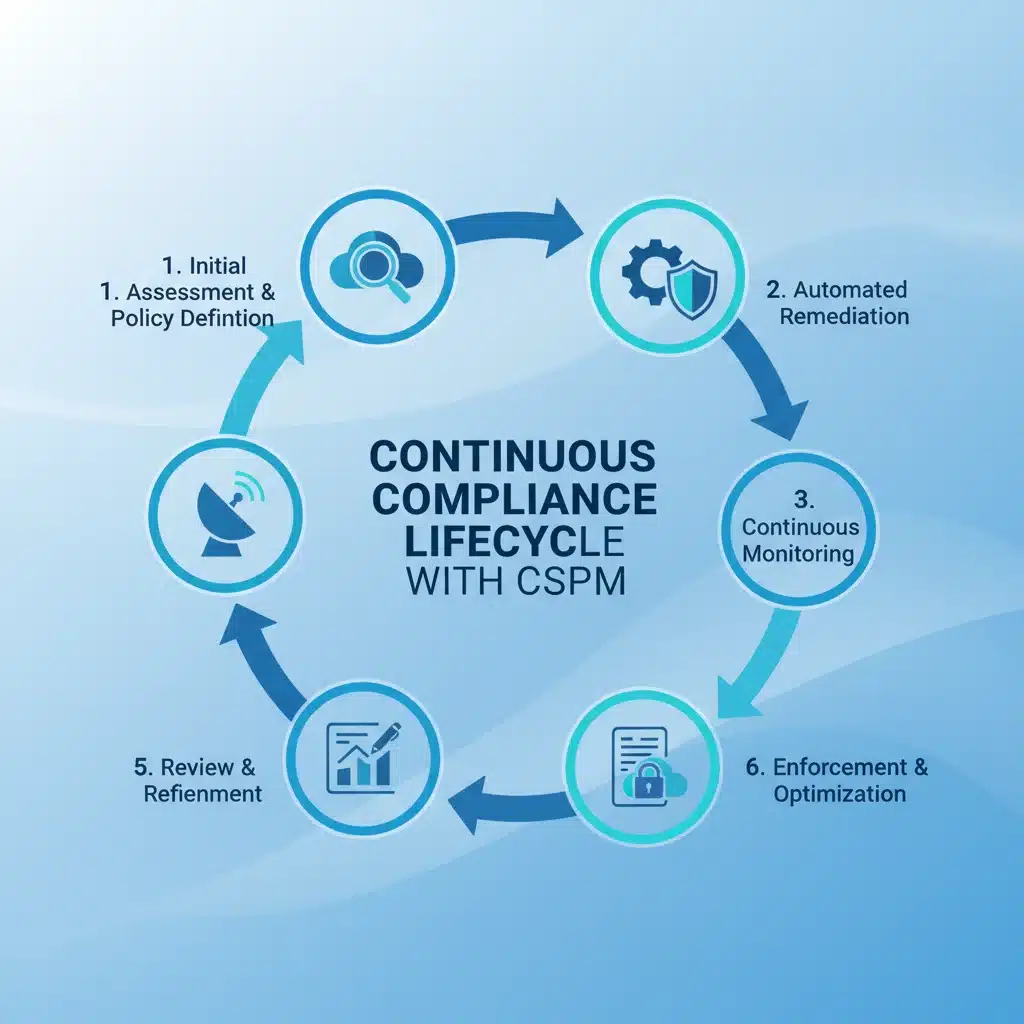
The journey to achieving 90% compliance with cloud regulations by mid-2026 is a strategic imperative for any organization operating in the cloud. The complexities of modern cloud environments demand a robust, automated, and intelligent approach to security and compliance. Cloud Security Posture Management (CSPM) software offers precisely this, providing the tools and capabilities necessary to continuously monitor, assess, and remediate security risks and compliance violations across diverse cloud infrastructures.
By investing in a comprehensive CSPM solution and adopting the strategies outlined in this article, organizations can transform their cloud security posture from reactive to proactive, ensuring that their cloud resources are not only secure but also consistently compliant with the ever-evolving regulatory landscape. The benefits extend beyond mere compliance, encompassing reduced risk, enhanced trust, operational efficiency, and a stronger competitive edge. Embracing Cloud Compliance CSPM is not just about meeting regulatory mandates; it’s about building a resilient, secure, and future-proof cloud foundation that supports sustainable business growth and innovation.
The time to act is now. Organizations that prioritize and strategically implement CSPM will be well-positioned to navigate the complexities of cloud compliance, confidently achieving their 90% target and setting new benchmarks for cloud security excellence. The future of secure cloud operations is intrinsically linked to the intelligent application of CSPM, making it an indispensable component of any modern enterprise’s cybersecurity strategy.