Top Sleep Tracking Apps 2026: Accuracy & Insights Reviewed

The Best Sleep Tracking Apps of 2026: Analyzing Data Accuracy and Insights for 5 Popular Options
In our increasingly fast-paced world, the importance of quality sleep cannot be overstated. It’s the cornerstone of physical health, mental well-being, and cognitive function. Yet, for many, a good night’s rest remains an elusive dream. Fortunately, advancements in technology have brought forth a plethora of sleep tracking apps designed to help us understand and improve our sleep patterns. As we delve into 2026, these tools have become more sophisticated, offering deeper insights and greater accuracy than ever before.
This comprehensive guide will explore the top 5 sleep tracking apps available in 2026, meticulously analyzing their data accuracy, the quality of insights they provide, their user experience, and overall effectiveness. Whether you’re a casual user looking to gain a basic understanding of your sleep or a dedicated biohacker aiming for peak performance, this review will help you navigate the ever-evolving landscape of sleep technology and choose the best app to suit your needs. We’ll examine how these apps leverage wearable devices, smartphone sensors, and advanced algorithms to paint a detailed picture of your nightly journey into slumber.
Understanding Sleep Tracking: What Are We Measuring?
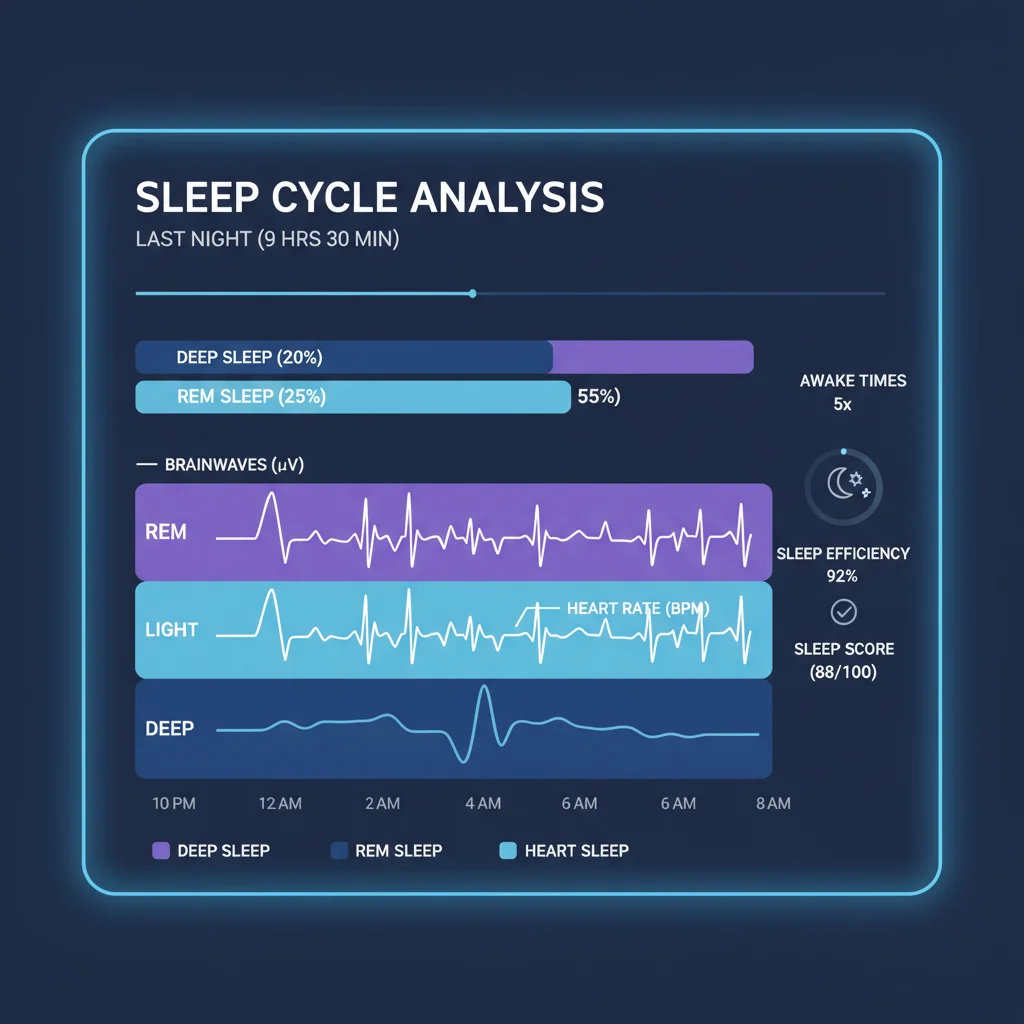
Before diving into specific apps, it’s crucial to understand what sleep tracking apps actually measure. Most apps aim to identify different sleep stages: Awake, REM (Rapid Eye Movement), Light, and Deep sleep. Each stage plays a vital role in our physical and mental restoration. Light sleep prepares us for deep and REM sleep. Deep sleep is essential for physical recovery, growth, and immune system function. REM sleep is crucial for cognitive processing, memory consolidation, and emotional regulation. By tracking these stages, apps attempt to provide a holistic view of your sleep quality.
The methods used for tracking vary. Some apps rely on your smartphone’s accelerometer to detect movement, inferring sleep stages. Others integrate with dedicated wearable devices like smartwatches, fitness trackers, or even under-mattress sensors, which often incorporate more sophisticated sensors such as heart rate variability (HRV), blood oxygen levels, and skin temperature. The accuracy of these measurements is paramount, as flawed data can lead to misleading insights and ineffective sleep improvement strategies. Our analysis will heavily weigh the reported accuracy and validation studies (where available) for each of the sleep tracking apps.
Beyond sleep stages, many advanced sleep tracking apps also monitor other crucial metrics. These can include sleep duration, sleep onset latency (how long it takes to fall asleep), sleep efficiency (the percentage of time spent asleep while in bed), number of awakenings, snoring, and even environmental factors like room temperature or noise levels. The more comprehensive the data, the richer the insights, allowing for more targeted interventions to enhance sleep quality.
Key Metrics for Evaluating Sleep Tracking Apps
When assessing the best sleep tracking apps of 2026, several key metrics come into play. Understanding these criteria will help you make an informed decision:
- Data Accuracy: This is arguably the most critical factor. How reliably does the app detect sleep onset, awakenings, and differentiate between sleep stages? We look for apps with strong scientific backing or a reputation for consistent, reliable data collection, often compared to polysomnography (PSG), the gold standard in sleep studies.
- Insights and Analysis: Raw data is only useful if it’s translated into actionable insights. Do the apps provide personalized recommendations, identify trends, and explain the ‘why’ behind your sleep patterns? The best sleep tracking apps go beyond just presenting graphs; they offer guidance.
- User Interface and Experience (UI/UX): An intuitive, easy-to-use interface is essential for long-term engagement. Is the app visually appealing, easy to navigate, and does it present complex data in an understandable format?
- Integration Capabilities: How well does the app integrate with other health platforms (e.g., Apple Health, Google Fit) or smart home devices? Seamless integration enhances the overall utility and data ecosystem.
- Features and Functionality: Beyond basic tracking, what additional features does the app offer? This could include smart alarms, sleep sounds, meditation guides, sleep coaching, or community support.
- Privacy and Data Security: Given the sensitive nature of health data, how does the app protect user information? Transparency in data handling policies is crucial.
- Cost and Subscription Model: Is the app free, a one-time purchase, or does it require a recurring subscription? We consider the value for money, especially for premium features.
The Top 5 Sleep Tracking Apps of 2026: In-Depth Analysis
1. Oura Ring App (Paired with Oura Ring Gen 4)
The Oura Ring has consistently been a frontrunner in wearable sleep technology, and its accompanying app in 2026 continues to impress. The Oura Ring Gen 4, with its advanced sensors, provides highly accurate data on sleep stages, heart rate variability (HRV), resting heart rate, body temperature, and respiratory rate. This wealth of data translates into some of the most comprehensive sleep insights available.
Data Accuracy: The Oura Ring is renowned for its clinical-grade accuracy, often validated against polysomnography. Its ability to measure body temperature changes and HRV during sleep significantly enhances its precision in identifying sleep stages and overall sleep quality. Users consistently report high confidence in its data, making it a top choice for serious sleep optimization. The Gen 4 has further refined its algorithms, particularly in distinguishing between light and deep sleep.
Insights and Analysis: The Oura app excels at translating complex data into actionable insights. It provides a daily ‘Sleep Score’ and ‘Readiness Score’ that consider various metrics to give you a holistic view of your recovery. It identifies trends, highlights potential issues (e.g., late-night eating affecting sleep), and offers personalized recommendations for improving sleep hygiene. The app’s ‘Moment’ feature also guides users through mindfulness exercises to aid relaxation.
User Interface and Experience: The Oura app features a sleek, minimalist design that is both visually appealing and incredibly easy to navigate. Graphs are clear, and explanations are concise, making it simple for users to understand their sleep data without feeling overwhelmed.
Integration Capabilities: Integrates seamlessly with Apple Health and Google Fit, allowing for a centralized view of your health data. It also offers API access for developers, hinting at future broader integrations.
Features and Functionality: Beyond core sleep tracking, Oura offers period prediction based on body temperature, activity tracking, and guided meditation sessions. Its ‘Restorative Time’ feature helps users understand when they achieve true rest, even when awake.
Privacy and Data Security: Oura maintains a strong commitment to user privacy, with clear data policies and encryption protocols.
Cost: The Oura Ring itself is a premium device, and access to all app features typically requires a monthly subscription, which some users might find a barrier, but the value for serious sleep tracking is undeniable.
2. Sleep Cycle (Smartphone-Based)
Sleep Cycle stands out as one of the most popular smartphone-based sleep tracking apps. It leverages your phone’s microphone and accelerometer to monitor your sleep, aiming to wake you up during your lightest sleep phase, promoting a more natural and refreshing awakening.
Data Accuracy: While not as precise as wearable devices with multiple sensors, Sleep Cycle’s algorithms have been refined over years. It’s generally good at detecting sleep onset, awakenings, and identifying sleep phases based on movement and sound analysis. It performs admirably for a non-wearable solution, though some users report occasional inaccuracies in distinguishing between light and deep sleep compared to dedicated wearables. For basic sleep pattern identification, it’s highly effective.
Insights and Analysis: Sleep Cycle provides detailed daily sleep statistics, including sleep quality percentage, time spent in each sleep phase, and a graph of your sleep patterns. It identifies snoring, sleep talking, and provides trends over time. The insights are clear and helpful for understanding general sleep habits, though they may lack the depth of physiological data offered by more advanced wearables.
User Interface and Experience: The app boasts a clean, intuitive interface with easy-to-understand graphs and summaries. The smart alarm feature, which gently wakes you within a customizable window, is a major highlight and consistently receives positive feedback for improving morning routines.
Integration Capabilities: Integrates with Apple Health, Google Fit, and various smart home systems, allowing for automated light adjustments or coffee brewing upon waking.
Features and Functionality: Key features include the smart alarm, snore detection with audio recordings, sleep aid sounds, and a detailed sleep analysis diary. It also offers a ‘wake-up mood’ tracker and notes section to correlate daily activities with sleep quality.
Privacy and Data Security: Sleep Cycle has a transparent privacy policy, emphasizing user control over data. Audio recordings are typically processed locally or with user consent for specific features.
Cost: Offers a robust free version with core tracking and smart alarm features. A premium subscription unlocks advanced analytics, sleep aid programs, and backup functionality.
3. Whoop (Paired with Whoop Strap 4.0)
Whoop takes a holistic approach to health and performance, with sleep tracking being a central pillar of its ecosystem. The Whoop Strap 4.0 is a screen-less wearable that continuously collects physiological data, feeding it into a sophisticated app that focuses on recovery, strain, and sleep.
Data Accuracy: Whoop is celebrated for its highly accurate physiological data collection, including heart rate, HRV, skin temperature, and blood oxygen. Its sleep staging algorithms are robust and have undergone extensive validation. The continuous monitoring provides a detailed and reliable picture of sleep architecture, making it a favorite among athletes and individuals focused on optimizing recovery.
Insights and Analysis: The Whoop app provides an exceptionally deep dive into recovery and sleep. It gives you a daily ‘Recovery Score’ based on HRV, resting heart rate, and sleep performance. It quantifies your ‘Sleep Need’ based on your daily strain, offering personalized recommendations for bedtime and wake-up times. Its detailed sleep breakdown includes time in bed, time asleep, sleep efficiency, and latency. The insights are highly actionable, helping users understand the direct impact of their lifestyle choices on their sleep and recovery.
User Interface and Experience: The app’s interface is data-rich but well-organized, with clear visualizations and explanations. It requires a bit of an initial learning curve due to the depth of information, but once familiar, it’s incredibly powerful. The focus is on long-term trends and understanding physiological responses.
Integration Capabilities: Whoop integrates with popular fitness platforms and offers data export options, though its primary strength lies within its self-contained ecosystem.
Features and Functionality: Beyond sleep, Whoop tracks daily strain, provides coaching insights, and offers a journal feature to log behaviors (e.g., caffeine intake, alcohol, meditation) and see their impact on recovery and sleep. The haptic alarm is also a subtle and effective way to wake up.
Privacy and Data Security: Whoop places a high emphasis on data security, with robust encryption and clear privacy policies for its users.
Cost: Whoop operates on a subscription model, where the strap is included with the membership. This makes it a significant financial commitment, but for those seeking comprehensive physiological tracking and performance optimization, it offers substantial value.
4. AutoSleep (Apple Watch Exclusive)
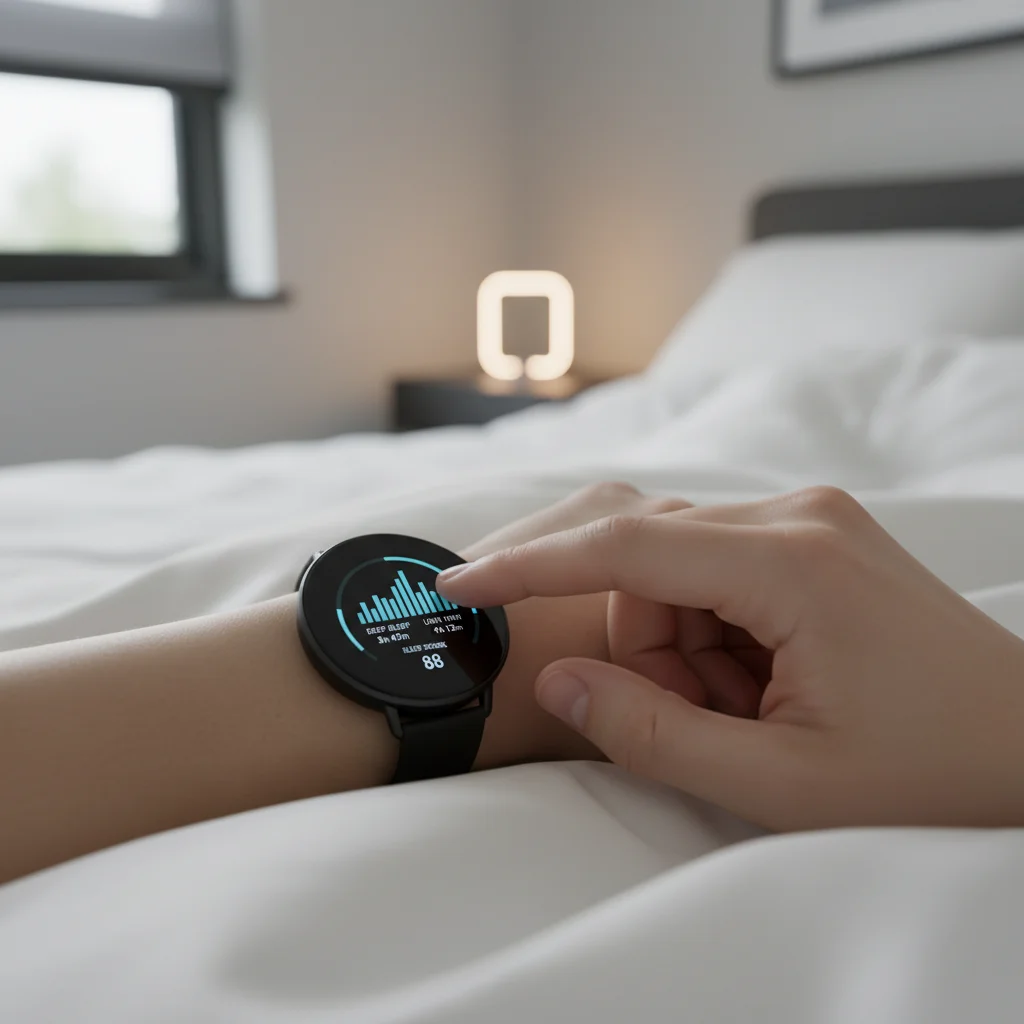
For Apple Watch users, AutoSleep stands out as one of the most comprehensive and highly-rated sleep tracking apps. It leverages the advanced sensors of the Apple Watch to provide detailed sleep analysis without requiring any manual interaction, making it incredibly convenient.
Data Accuracy: AutoSleep uses the Apple Watch’s heart rate monitor, accelerometer, and gyroscope to accurately detect when you fall asleep, your sleep stages, and any disturbances. While the Apple Watch’s sleep stage detection has improved significantly, AutoSleep’s proprietary algorithms further refine this data, offering a level of accuracy comparable to many dedicated sleep trackers. Users consistently praise its reliability and the wealth of data it extracts from the Watch.
Insights and Analysis: AutoSleep provides a comprehensive suite of metrics: sleep duration, deep sleep, light sleep, REM sleep, heart rate during sleep, sleep quality percentage, and even a ‘sleep debt’ tracker. It presents this data with clear, colorful graphs and offers insights into how different factors might be affecting your sleep. The ‘Readiness’ score helps users understand their recovery, similar to Oura and Whoop, but tailored for the Apple Watch ecosystem.
User Interface and Experience: While the app can appear a bit overwhelming at first due to the sheer amount of data, its design is functional and allows for deep customization. Users can choose which metrics to prioritize and how they are displayed. Once you get the hang of it, navigating through your sleep data becomes intuitive. The automatic tracking is a huge plus, as you simply wear your Apple Watch to bed.
Integration Capabilities: As an Apple Watch exclusive, it integrates seamlessly with Apple Health, pushing all sleep data directly into your health dashboard. This makes it a central hub for all your health metrics.
Features and Functionality: Beyond basic tracking, AutoSleep offers a ‘Lights Off’ feature to track how long it takes to fall asleep, a ‘Calibrate’ function for personalized accuracy, and a smart alarm that can use haptic feedback. It also tracks sleep consistency and offers detailed historical data.
Privacy and Data Security: AutoSleep operates entirely on your device and within Apple Health, adhering to Apple’s stringent privacy standards. It does not send your data to external servers, providing excellent data security.
Cost: AutoSleep is a one-time purchase app, making it a very cost-effective solution for Apple Watch owners looking for advanced sleep tracking without a recurring subscription.
5. SleepScore Labs (Smartphone & Compatible Devices)
SleepScore Labs utilizes a unique approach to sleep tracking apps, primarily using sonar technology from your smartphone to monitor breathing patterns and body movement without needing direct contact. It also integrates with a range of compatible devices for enhanced accuracy.
Data Accuracy: The sonar technology is surprisingly effective at detecting sleep stages and disturbances from a distance, making it a convenient option for those who dislike wearing devices to bed. While generally accurate for overall sleep patterns and interruptions, its ability to precisely differentiate between deep and REM sleep may vary compared to multi-sensor wearables. When paired with compatible devices (like SleepScore Max), its accuracy significantly increases, often approaching clinical-grade levels.
Insights and Analysis: SleepScore Labs provides a daily ‘SleepScore’ along with a breakdown of your sleep stages, awakenings, and duration. It offers personalized advice based on your sleep patterns and uses a comprehensive questionnaire to tailor recommendations. The app focuses on identifying specific issues and providing actionable steps to improve them, drawing from a vast database of sleep science.
User Interface and Experience: The app features a clean, modern, and user-friendly interface. Data is presented in an easy-to-understand format, with clear graphs and digestible explanations. The setup for smartphone-based tracking is straightforward, requiring only proper phone placement.
Integration Capabilities: Integrates with Apple Health and Google Fit. SleepScore Labs also has partnerships with various sleep product manufacturers, allowing for a more integrated sleep environment.
Features and Functionality: Key features include personalized sleep advice, smart alarm, relaxation sounds, and a comprehensive sleep history. The app also offers a ‘product marketplace’ recommending sleep-related products based on your specific needs, which can be a double-edged sword for some users.
Privacy and Data Security: SleepScore Labs has a detailed privacy policy, explaining how data is collected and used, with strong emphasis on user consent and data anonymization for research purposes.
Cost: Offers a free version with basic tracking and a premium subscription for advanced insights, personalized coaching, and access to more in-depth data analysis.
Choosing the Right Sleep Tracking App for You
The best sleep tracking apps of 2026 offer a wide spectrum of features and accuracy levels. Your ideal choice will depend heavily on your individual needs, budget, and comfort with wearable technology:
- For Clinical-Grade Accuracy and Deep Physiological Insights: The Oura Ring App and Whoop are your top contenders. They require dedicated wearables and subscriptions but provide unparalleled data depth, making them ideal for athletes, biohackers, or anyone serious about optimizing recovery and understanding their body’s responses to sleep.
- For Apple Watch Users Seeking Advanced Features: AutoSleep is an outstanding choice. It leverages your existing device, offers excellent accuracy for a non-dedicated tracker, and comes with a one-time purchase, providing great value.
- For Convenient, Non-Wearable Tracking: Sleep Cycle is an excellent entry point. It’s user-friendly, provides valuable insights from your smartphone, and its smart alarm is a game-changer for many. SleepScore Labs, with its sonar technology, also offers a contact-free alternative, especially compelling when paired with its dedicated devices.
- For Budget-Conscious Users: Sleep Cycle’s free version offers a solid foundation, and AutoSleep’s one-time fee makes it attractive for Apple Watch owners.
Remember that while sleep tracking apps can provide valuable data and insights, they are tools to support better sleep, not a replacement for professional medical advice. If you suspect a serious sleep disorder, always consult with a healthcare professional.
The Future of Sleep Tracking Technology
As we look beyond 2026, the landscape of sleep tracking apps is poised for even more exciting developments. We can anticipate:
- Enhanced AI and Machine Learning: Algorithms will become even more sophisticated, offering predictive analytics and highly personalized interventions based on long-term data trends. Imagine an app that not only tells you why you slept poorly but proactively suggests adjustments to your diet, exercise, or evening routine for the next day.
- Seamless Integration with Smart Homes: Your sleep tracker could communicate directly with your smart thermostat to optimize room temperature, adjust lighting to mimic natural dawn, or even cue calming audio environments based on your sleep stage.
- Non-Invasive, Medical-Grade Sensors: The pursuit of clinical-grade accuracy without the need for cumbersome wearables will continue. Advances in radar, bio-impedance, and passive sensing technologies could lead to even more discreet and comfortable tracking solutions.
- Holistic Health Ecosystems: Sleep data will be more deeply integrated with other health metrics (nutrition, mental health, genetics) to provide a truly comprehensive view of well-being, offering more precise and personalized health recommendations.
- Focus on Sleep Biomarkers: Beyond traditional sleep stages, future apps might analyze more subtle biomarkers, like micro-awakenings or specific brainwave patterns, to offer an even finer-grained understanding of sleep quality and its impact on cognitive function.
The evolution of sleep tracking apps is a testament to our growing understanding of sleep’s critical role in overall health. By providing accessible data and actionable insights, these technologies empower individuals to take control of their sleep and, by extension, their entire well-being.
Conclusion: Empowering Better Sleep Through Technology
In conclusion, the sleep tracking apps of 2026 represent a significant leap forward in personal health technology. From the clinical precision of the Oura Ring and Whoop to the user-friendly insights of Sleep Cycle and the Apple Watch integration of AutoSleep, there’s a solution for nearly every need and preference. SleepScore Labs offers a unique contact-free approach, broadening the appeal of sleep monitoring.
By carefully considering factors like data accuracy, the depth of insights, user experience, and cost, you can select an app that not only tracks your sleep but genuinely helps you understand and improve it. Embracing these tools can lead to profound benefits, from increased energy and focus to enhanced mood and long-term health. The journey to optimal sleep is a personal one, and with the right sleep tracking apps, you’re better equipped than ever to embark on it.
Invest in your sleep, and you invest in your health. The technology is here to guide you, offering a window into one of the most vital yet often overlooked aspects of our lives. Choose wisely, track consistently, and wake up to a healthier, more rested you.