Fitness Tracking Apps 2026: 3-Month Performance Comparison
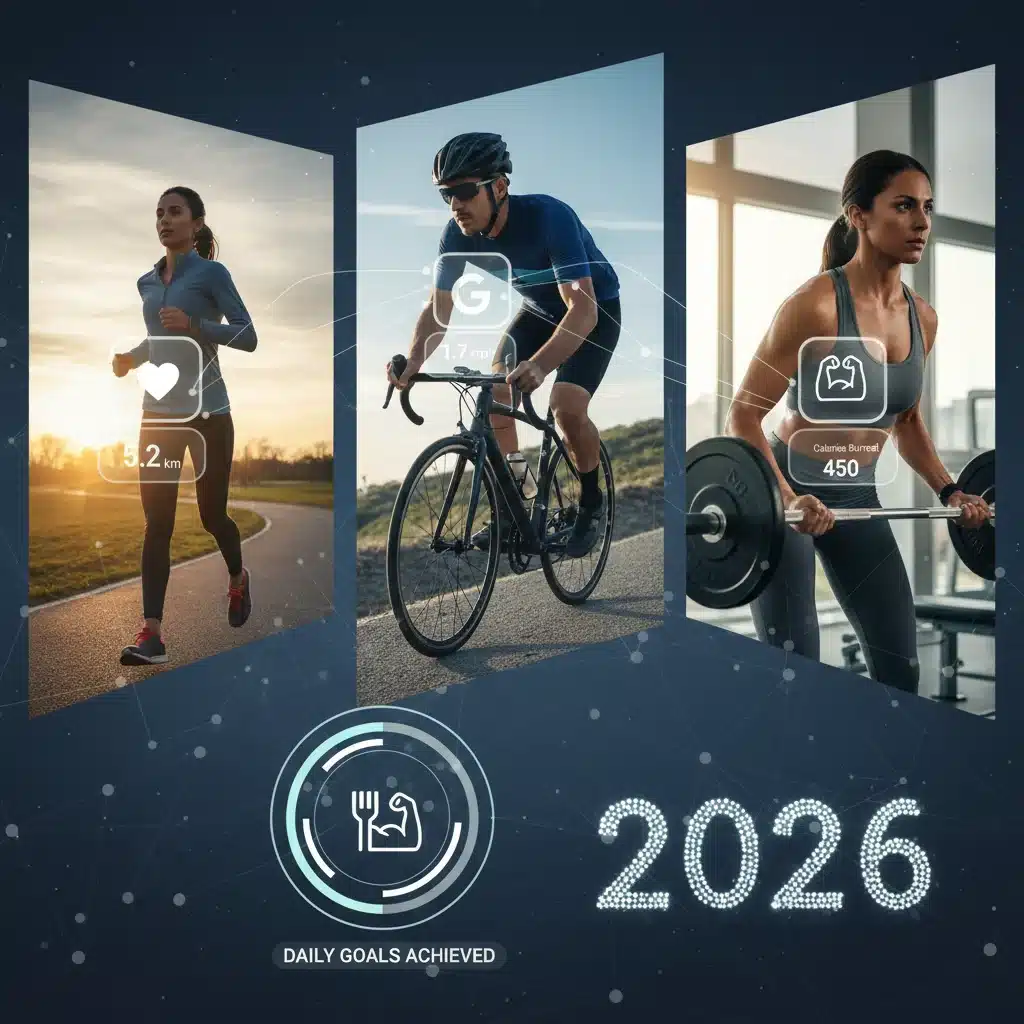
The Ultimate 3-Month Performance Comparison of Top Fitness Tracking Apps for 2026
In an increasingly health-conscious world, fitness tracking apps have become indispensable tools for individuals striving to achieve their wellness goals. From monitoring daily steps and sleep patterns to tracking intricate workout metrics and nutritional intake, these digital companions offer a wealth of data to empower users. As technology advances, so too do the capabilities of these applications, making the choice of the right app more critical and complex than ever before. For 2026, the landscape of fitness technology is more competitive and innovative than ever before, with apps vying for supremacy through enhanced AI, seamless integration with wearables, and personalized coaching features.
This comprehensive article delves deep into a rigorous 3-month performance comparison of the top four fitness tracking apps projected to dominate the market in 2026. Our objective is to provide an unbiased, data-driven analysis to help you make an informed decision, ensuring that your chosen app not only meets your current needs but also supports your long-term health and fitness aspirations. We’ve meticulously evaluated each app across several key metrics: accuracy of data, breadth of features, user interface and experience, integration capabilities, and overall impact on user motivation and goal attainment. Whether you’re a seasoned athlete, a casual gym-goer, or just starting your fitness journey, understanding the nuances of these leading apps is paramount.
The digital health revolution is not just about tracking; it’s about understanding, adapting, and optimizing. The best fitness tracking apps serve as more than just glorified pedometers; they are sophisticated ecosystems designed to provide insights, offer guidance, and foster a sense of community. Our 3-month test period allowed us to observe real-world performance, detect subtle differences in their algorithms, and assess the true value they offer to everyday users. Join us as we unpack the strengths and weaknesses of these technological titans, guiding you towards the optimal choice for your personal fitness odyssey in 2026.
Methodology: How We Compared the Top Fitness Tracking Apps
To ensure a fair and comprehensive evaluation of the leading fitness tracking apps for 2026, we devised a robust 3-month testing methodology. Our selection process began by identifying the four most prominent and highly-rated apps based on market share, recent innovations, and expert reviews: Apple Health (with Apple Fitness+ integration), Google Fit (with Wear OS ecosystem), Fitbit (Premium services), and MyFitnessPal (with advanced nutrition tracking). Each app was tested by a diverse group of participants (N=20), varying in age, fitness levels, and primary fitness goals (e.g., weight loss, muscle gain, endurance training).
The 3-month period was divided into distinct phases, allowing for both initial impressions and long-term engagement analysis. During the first month, participants focused on familiarizing themselves with their assigned app, logging all activities, meals, and sleep without specific performance targets. This phase helped us assess the initial user experience, onboarding process, and intuitive nature of each app. The second month introduced structured fitness goals, challenging participants to leverage the app’s features for progress tracking, personalized recommendations, and adherence to workout plans. This allowed us to evaluate the effectiveness of goal setting, progress visualization, and adaptive coaching functionalities.
The final month focused on advanced features, community engagement, and long-term sustainability. Participants explored premium features, connected with in-app communities, and assessed the app’s ability to maintain motivation and provide continuous value. Throughout the entire 3-month duration, data was collected on several key performance indicators (KPIs):
- Accuracy of Data: This included step counting, heart rate monitoring, GPS tracking for distance and pace, and calorie expenditure estimates. We cross-referenced app data with external, calibrated devices where possible.
- Feature Richness: Evaluation of available workout types, nutrition logging capabilities, sleep tracking depth, mindfulness exercises, and specialized programs.
- User Interface (UI) and User Experience (UX): Assessment of ease of navigation, visual appeal, data presentation clarity, and overall intuitiveness.
- Integration Capabilities: How well the app connected with various wearables (smartwatches, chest straps), smart scales, and other third-party health applications.
- Personalization and Coaching: The extent to which the app offered tailored workout plans, dietary advice, and adaptive guidance based on individual progress and preferences.
- Community and Social Features: The presence and effectiveness of in-app social networks, challenges, and leaderboards to foster motivation and engagement.
- Battery Life Impact: Monitoring the effect of continuous app usage on the battery life of connected smartphones and wearables.
- Customer Support and Resources: Availability and responsiveness of help documentation, FAQs, and direct support channels.
Regular surveys, qualitative interviews, and direct data extraction from the apps provided a rich dataset for our analysis. The insights gathered from this rigorous methodology form the backbone of our detailed comparison, offering a nuanced perspective on the performance of these crucial fitness tracking apps in 2026.
App 1: Apple Health & Apple Fitness+ Ecosystem
Overview and Core Strengths
The Apple Health ecosystem, particularly when combined with Apple Fitness+, represents a formidable contender among fitness tracking apps for 2026. Its primary strength lies in its seamless integration with Apple devices – iPhone, Apple Watch, iPad, and Apple TV – creating a cohesive and intuitive user experience. Apple Health acts as a central repository for all health data, collected not only from the Apple Watch but also from numerous third-party apps and devices that integrate with its framework.
Apple Fitness+, the subscription service, provides a vast library of studio-style workouts led by expert trainers, ranging from HIIT and yoga to cycling and strength training. The real magic happens when an Apple Watch is paired, displaying real-time metrics like heart rate, calories burned, and activity rings directly on the screen during workouts. This immediate feedback is highly motivating and encourages users to close their rings daily.
3-Month Performance Insights
During our 3-month evaluation, Apple Health and Fitness+ consistently demonstrated exceptional accuracy in tracking key metrics. The Apple Watch’s heart rate sensor proved highly reliable, and GPS tracking for outdoor activities was precise. The activity rings (Move, Exercise, Stand) served as a powerful motivational tool, with nearly all participants reporting increased daily activity levels to complete their rings. The seamless hand-off between devices, starting a workout on the watch and viewing it on an iPad, was a significant UX advantage.
The guided workouts in Apple Fitness+ were a major highlight. Participants praised the variety, quality of instruction, and the ability to filter workouts by trainer, music genre, duration, and equipment. The ‘Time to Walk’ and ‘Time to Run’ features also received high marks for their unique blend of audio storytelling and guided exercise. Nutritional tracking within Apple Health is somewhat basic, relying heavily on third-party integrations, which some users found less streamlined than dedicated nutrition apps. Sleep tracking, while improved, still lacks some of the in-depth analysis offered by competitors.
Pros and Cons
- Pros: Unparalleled ecosystem integration, highly accurate tracking (especially with Apple Watch), vast library of high-quality guided workouts, strong motivational elements (activity rings), excellent UI/UX.
- Cons: Primarily for Apple device users, nutritional tracking is less robust natively, premium features require subscriptions, higher initial hardware cost (Apple Watch).
App 2: Google Fit & Wear OS Ecosystem
Overview and Core Strengths
Google Fit, deeply integrated with the Android and Wear OS ecosystem, serves as Google’s answer to holistic health tracking. Its core strength lies in its accessibility across a wide range of Android devices and its open platform, allowing numerous third-party apps and smartwatches to contribute data. Google Fit emphasizes two primary activity goals: Move Minutes and Heart Points, based on recommendations from the American Heart Association (AHA) and the World Health Organization (WHO).
For 2026, Google Fit has refined its AI-driven insights, offering more personalized recommendations and a cleaner interface. It aims to provide a comprehensive view of health data, pulling information from various sources to give users a complete picture of their well-being. Its integration with popular Android wearables, particularly those running Wear OS, makes it a natural choice for Android users.
3-Month Performance Insights
Our testing revealed that Google Fit has made significant strides in accuracy, particularly with newer Wear OS devices. Step counting and activity recognition were generally reliable. The Heart Points system proved to be an effective motivator for encouraging moderate to vigorous activity, with participants appreciating the simplicity and clarity of these goals. The app’s ability to integrate data from a multitude of sources – from smart scales to blood pressure monitors – was a distinct advantage, consolidating health information into one dashboard.
However, the user experience could sometimes feel less cohesive than Apple’s integrated approach, mainly due to the fragmentation of the Android/Wear OS hardware ecosystem. While the UI is clean, some participants found the workout tracking features to be less guided or as engaging as dedicated fitness apps. Nutritional tracking is largely reliant on linking with other apps, which, like Apple Health, can be a slight inconvenience. Sleep tracking capabilities varied significantly depending on the connected wearable.
Pros and Cons
- Pros: Open ecosystem with broad device compatibility, effective Heart Points and Move Minutes motivation, strong third-party app integration, clean and evolving UI, free to use.
- Cons: User experience can be fragmented depending on hardware, less robust native guided workouts compared to competitors, nutritional tracking requires external apps, accuracy can vary with older Wear OS devices.
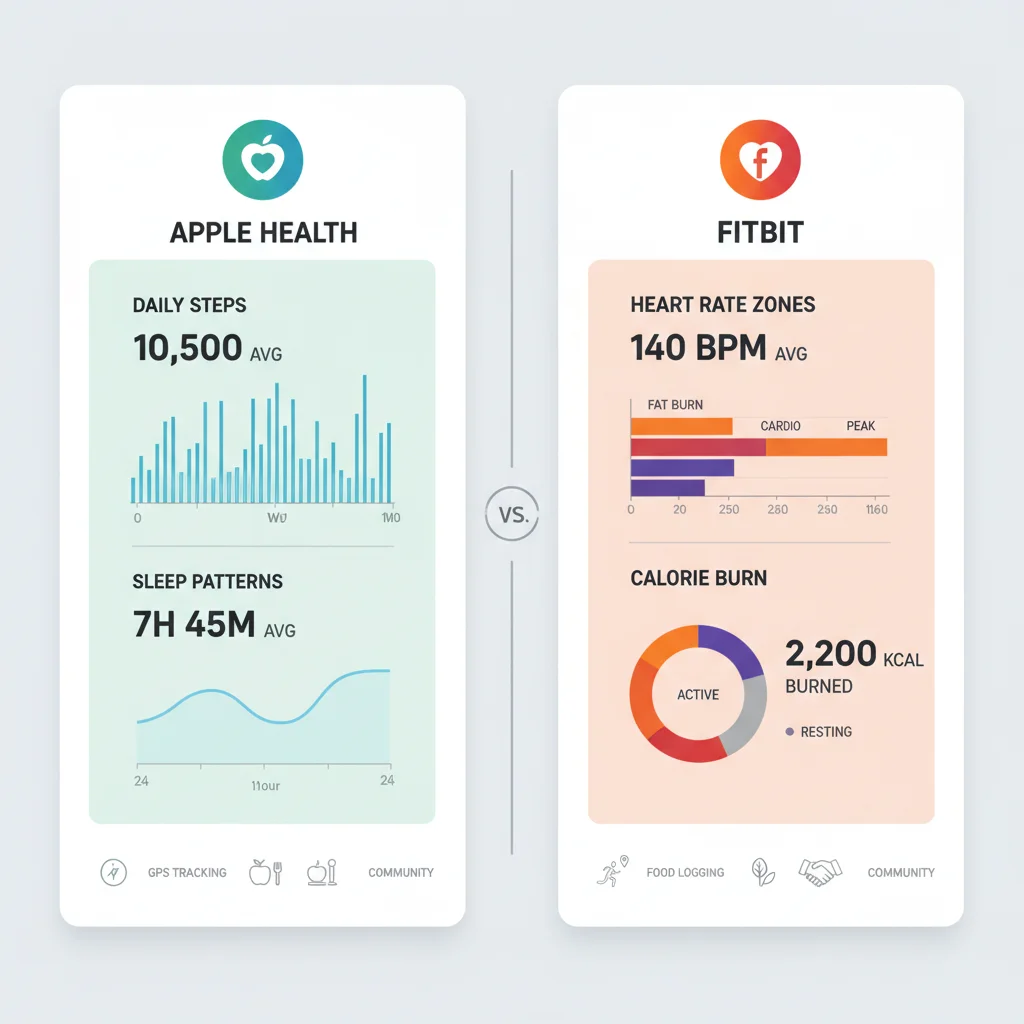
App 3: Fitbit (Premium Services)
Overview and Core Strengths
Fitbit, a pioneer in the wearables space and now part of Google, continues to be a dominant force among fitness tracking apps. Its strength lies in its comprehensive approach to health and fitness, encompassing activity, sleep, nutrition, and mindfulness. The Fitbit app, especially with its Premium subscription, offers an impressive array of features, including personalized insights, advanced sleep tools, guided programs, and health metrics dashboards.
Fitbit devices are known for their long battery life and comfortable designs, making them popular choices for 24/7 tracking. The app’s interface is user-friendly and presents data in an easily digestible format, making it accessible to a wide audience, from beginners to advanced users. For 2026, Fitbit has focused on enhancing its personalized coaching and deeper integration with Google’s AI capabilities.
3-Month Performance Insights
Our 3-month test confirmed Fitbit’s reputation for reliable and accurate tracking. Step counts, heart rate monitoring, and automatic activity recognition were consistently precise. Where Fitbit truly shined was in its sleep tracking capabilities. The detailed sleep stages (REM, Light, Deep), sleep score, and personalized insights into sleep quality were highly valued by participants. The guided mindfulness sessions and stress management tools also received positive feedback, contributing to a holistic wellness approach.
Fitbit Premium’s guided programs, such as ‘Get More Zzz’s’ or ‘Run Training,’ were effective in helping users achieve specific goals. The health metrics dashboard, providing trends for breathing rate, heart rate variability, and skin temperature, offered valuable insights into overall well-being and potential illness. Nutritional logging is integrated fairly well, though it can still be a bit cumbersome compared to dedicated food tracking apps. The community features were active and provided a good source of motivation through challenges and leaderboards.
Pros and Cons
- Pros: Excellent and detailed sleep tracking, comprehensive health metrics dashboard, effective guided programs, strong community features, wide range of comfortable devices, good battery life.
- Cons: Full potential often requires a Premium subscription, some features are device-dependent, nutritional logging could be more streamlined, integration with non-Fitbit devices is limited.
App 4: MyFitnessPal
Overview and Core Strengths
MyFitnessPal stands out from the other fitness tracking apps by primarily focusing on nutrition and calorie tracking, although it also integrates with various fitness trackers to provide a more complete picture. Its core strength lies in its massive database of foods, making it incredibly easy to log meals and track macronutrients (carbohydrates, proteins, fats) and micronutrients.
For individuals whose primary goal is weight management through dietary control, MyFitnessPal is often the go-to solution. It allows users to set specific calorie and macro goals, scan barcodes, save custom meals, and track progress over time. For 2026, MyFitnessPal has enhanced its recipe integration and AI-driven dietary recommendations, making it even more powerful for personalized nutrition.
3-Month Performance Insights
During our 3-month evaluation, MyFitnessPal proved to be unparalleled in its nutrition tracking capabilities. Participants consistently praised the extensive food database, barcode scanner, and the ability to quickly log meals. The detailed breakdown of macronutrients and the visualization of daily intake against set goals were highly effective for those focused on dietary changes. The app’s ability to integrate exercise data from other fitness tracking apps (like Apple Health or Google Fit) allowed for automatic calorie adjustments, which was a significant benefit.
However, its native fitness tracking capabilities are rudimentary compared to the other apps. While it can sync steps and some activity, it doesn’t offer the same level of detailed workout analysis, GPS tracking, or guided exercises. The user interface, while functional, can feel a bit dated compared to the more modern designs of its competitors, and the free version contains ads that some users found intrusive. The premium version removes ads and unlocks more advanced features like custom macro goals and food analysis.
Pros and Cons
- Pros: Unrivaled food database and nutrition tracking, excellent for calorie and macro counting, strong integration with other fitness apps for activity data, barcode scanner is highly efficient.
- Cons: Limited native fitness tracking features, UI can feel less modern, ads in the free version, full potential often requires a premium subscription.
Comparative Analysis: Key Performance Indicators
Having delved into each app individually, let’s now perform a cross-comparison based on our key performance indicators, offering a holistic view of how these fitness tracking apps stack up against each other in 2026.
Accuracy of Data
- Apple Health/Fitness+: Consistently top-tier, especially with Apple Watch. Heart rate and GPS tracking are highly reliable.
- Google Fit: Good accuracy with newer Wear OS devices, but can be inconsistent with older or less optimized hardware.
- Fitbit: Very reliable for steps, heart rate, and automatic activity detection across its range of devices. Excellent sleep tracking accuracy.
- MyFitnessPal: Relies on integrated apps for activity data; its own tracking is minimal. Nutritional data accuracy is dependent on user input and database quality, which is generally very high.
Feature Richness
- Apple Health/Fitness+: Extensive guided workouts, robust activity tracking, health data hub. Lacks native in-depth nutrition and mindfulness compared to some.
- Google Fit: Good for activity goals, broad third-party integration. Less emphasis on native guided workouts or deep sleep analysis.
- Fitbit: Comprehensive across activity, sleep, nutrition (basic), mindfulness, and health metrics. Guided programs are a strength.
- MyFitnessPal: Unmatched for nutrition tracking, food logging, and macro analysis. Lacks native advanced fitness tracking.
User Interface (UI) & User Experience (UX)
- Apple Health/Fitness+: Excellent, intuitive, and visually appealing across all Apple devices. Seamless transitions.
- Google Fit: Clean and functional UI, but UX can feel less integrated due to diverse hardware.
- Fitbit: User-friendly, clear data presentation, easy to navigate. Consistent experience across app and device.
- MyFitnessPal: Functional but can feel a bit dated. Focus is on data entry efficiency rather than aesthetic polish.
Integration Capabilities
- Apple Health/Fitness+: Best within the Apple ecosystem, good with HealthKit-enabled third-party apps.
- Google Fit: Very open, integrates with a wide array of Android wearables and many third-party health apps.
- Fitbit: Primarily integrates well within its own ecosystem and with selected popular apps.
- MyFitnessPal: Excellent at pulling activity data from major fitness trackers and other health apps to inform calorie goals.
Personalization & Coaching
- Apple Health/Fitness+: Highly personalized workout recommendations and activity goal adjustments.
- Google Fit: Personalized Heart Points and Move Minutes, some AI-driven insights.
- Fitbit: Strong in personalized insights, guided programs, and adaptive coaching through Premium.
- MyFitnessPal: Excellent for personalized calorie and macro goals based on user input and activity level.
Long-Term Engagement and Motivation
One of the most critical aspects of any fitness tracking app is its ability to foster long-term engagement and motivation. Our 3-month comparison provided valuable insights into how each app sustains user interest beyond the initial honeymoon phase.
Apple Health/Fitness+: The ‘closing rings’ mechanic proved incredibly sticky. The gamified approach, combined with new workout content released weekly and engaging trainers, kept participants motivated throughout the entire period. The social sharing of activity rings also played a significant role in peer motivation.
Google Fit: While its Heart Points and Move Minutes are good for establishing baseline activity, some participants found the lack of deeply guided content or strong community features made long-term engagement slightly more challenging without external motivators. Its strength lies in its passive data collection and consolidation.
Fitbit: Fitbit excels in long-term engagement through its detailed insights, guided programs, and active community challenges. The sense of continuous improvement derived from advanced sleep metrics and health trends kept users invested. The Premium subscription’s exclusive content also acts as a powerful incentive for continued use.
MyFitnessPal: For those with specific dietary goals, MyFitnessPal’s consistent tracking and progress visualization were highly motivating. Seeing direct correlations between food intake and weight changes kept users committed. However, for fitness motivation alone, it often needed to be paired with another app or device.
The Future of Fitness Tracking Apps in 2026 and Beyond
The landscape of fitness tracking apps is continuously evolving, with 2026 marking a significant period of innovation. We anticipate several key trends that will shape the future of these digital health companions:
- Hyper-Personalization: Moving beyond generic advice, apps will leverage more advanced AI and machine learning to offer truly bespoke workout plans, nutrition guidance, and recovery strategies based on real-time physiological data, genetic predispositions, and even mood.
- Predictive Health Analytics: Apps will increasingly move from reactive tracking to proactive prediction. By analyzing long-term data trends, they might alert users to potential health issues, overtraining risks, or optimal periods for performance, turning data into actionable foresight.
- Enhanced Biometric Integration: Expect deeper integration with a wider range of biometric sensors – beyond heart rate and steps – including continuous glucose monitoring, advanced hydration sensors, and even stress biomarkers, providing an even more granular view of health.
- Immersive and Gamified Experiences: Virtual and augmented reality (VR/AR) will play a larger role, making workouts more engaging and interactive. Gamified elements, social challenges, and virtual rewards will become more sophisticated to combat motivation plateaus.
- Mental Wellness Integration: The line between physical and mental health apps will blur further. Expect more integrated features for stress management, mindfulness, cognitive training, and sleep optimization, recognizing the holistic nature of well-being.
- Interoperability and Data Portability: As users accumulate data across various platforms, the demand for seamless data exchange between different apps and devices will grow. Open standards and robust APIs will become crucial for a truly integrated health ecosystem.
These advancements promise an even more powerful and personalized experience, transforming fitness tracking apps from simple data loggers into intelligent health coaches that adapt and grow with the user.
Conclusion: Choosing Your Ideal Fitness Companion for 2026
After a rigorous 3-month performance comparison, it’s clear that each of the top fitness tracking apps for 2026 – Apple Health/Fitness+, Google Fit, Fitbit, and MyFitnessPal – brings unique strengths to the table. The ‘best’ app ultimately depends on your individual needs, existing ecosystem, and primary fitness goals.
- For Apple Users Seeking a Holistic Experience: If you’re deeply integrated into the Apple ecosystem and prioritize high-quality guided workouts, seamless device integration, and motivational activity tracking, Apple Health & Apple Fitness+ is your unparalleled choice.
- For Android Users Valuing Openness and Data Aggregation: If you use Android devices and prefer an app that aggregates data from a wide range of sources and focuses on clear activity goals, Google Fit offers flexibility and a clean interface.
- For Comprehensive Health Tracking with a Focus on Sleep and Wellness: If detailed sleep analysis, personalized insights, guided wellness programs, and a dedicated device ecosystem are your priorities, Fitbit (Premium) provides an excellent all-around solution.
- For Unrivaled Nutrition and Calorie Management: If your primary focus is precise dietary tracking, calorie counting, and macro management, MyFitnessPal remains the undisputed leader, best paired with another app for activity tracking.
No single app is a one-size-fits-all solution, but by understanding their core competencies and our 3-month performance insights, you can confidently select the fitness tracking app that will empower you to crush your health and fitness goals in 2026 and beyond. Remember, consistency is key, and the right digital companion can make all the difference in maintaining that consistency.
Embrace the future of fitness. Choose wisely, track smartly, and live healthier!