HIPAA Compliance Software 2026: Essential Tools for U.S. Healthcare
Navigating Compliance: Essential Security Software for U.S. HIPAA Regulations in 2026
The landscape of healthcare in the United States is constantly evolving, and with it, the complexities of regulatory compliance. For any organization handling Protected Health Information (PHI), the Health Insurance Portability and Accountability Act (HIPAA) remains the bedrock of data security and patient privacy. As we look towards 2026, the need for robust, intelligent, and proactive HIPAA compliance software becomes not just a recommendation, but an absolute imperative.
The digital transformation of healthcare, accelerated by telehealth, cloud computing, and advanced analytics, introduces new vulnerabilities and challenges. Breaches are not only financially devastating but can also severely damage an organization’s reputation and erode patient trust. Therefore, understanding and implementing the right security software is paramount for achieving and maintaining HIPAA compliance.
This comprehensive guide will delve into the essential security software categories and specific tools that healthcare organizations in the U.S. should consider to navigate the intricate web of HIPAA regulations effectively in 2026. We’ll explore how these solutions contribute to safeguarding PHI, managing risks, and ensuring audit readiness.
Understanding the Evolving HIPAA Landscape in 2026
Before diving into the software solutions, it’s crucial to grasp the core principles of HIPAA and how they might be interpreted or reinforced in the coming years. HIPAA, enacted in 1996, is divided into several rules:
- Privacy Rule: Sets national standards for the protection of individually identifiable health information.
- Security Rule: Specifies administrative, physical, and technical safeguards to protect electronic Protected Health Information (ePHI).
- Breach Notification Rule: Requires covered entities and business associates to provide notification following a breach of unsecured PHI.
- Omnibus Rule: Strengthened HIPAA by extending compliance to business associates and increasing penalties for violations.
By 2026, we can anticipate continued emphasis on:
- Interoperability and Data Sharing: As healthcare systems become more interconnected, the secure exchange of PHI will be a major focus. Software solutions must facilitate secure data sharing while maintaining strict access controls.
- Artificial Intelligence (AI) and Machine Learning (ML) in Healthcare: The increasing use of AI for diagnostics, personalized medicine, and operational efficiencies introduces new considerations for data privacy and security. Algorithms trained on PHI must be protected, and their outputs handled with care.
- Cloud Security: More healthcare organizations are migrating to cloud environments. Ensuring that cloud service providers (CSPs) are HIPAA compliant and that data stored in the cloud is adequately protected will remain a top priority.
- Ransomware and Cyberattacks: The threat landscape is constantly evolving. Cybersecurity threats, particularly ransomware attacks targeting healthcare, are becoming more sophisticated. HIPAA compliance software must offer advanced threat detection and response capabilities.
- Patient Access and Transparency: Patients are gaining more control over their health information. Software needs to support secure patient portals and data access requests, adhering to the spirit of patient empowerment.
The penalties for HIPAA violations are substantial, ranging from thousands to millions of dollars, depending on the severity and intent. Beyond financial implications, non-compliance can lead to reputational damage, loss of patient trust, and even criminal charges in severe cases. This underscores the critical role of effective HIPAA compliance software in mitigating these risks.
Core Categories of Essential HIPAA Compliance Software
Achieving and maintaining HIPAA compliance requires a multi-layered approach to security. No single software solution can cover all aspects; instead, a suite of integrated tools is necessary. Here are the core categories of essential security software for U.S. HIPAA regulations in 2026:
1. Data Encryption and Data Loss Prevention (DLP)
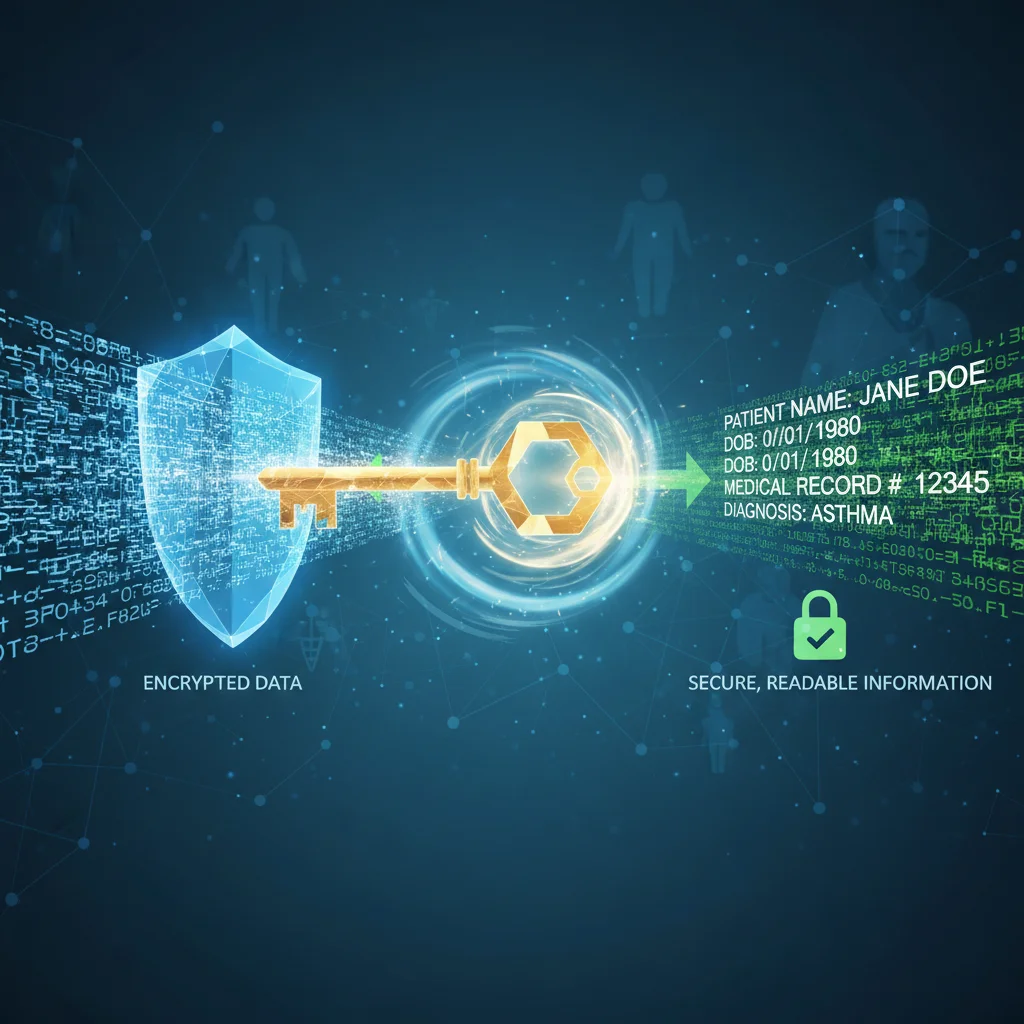
The HIPAA Security Rule mandates the protection of ePHI in transit and at rest. Encryption is the cornerstone of this protection.
- Encryption Software: This includes tools for encrypting data on servers, workstations, mobile devices, and in cloud storage. It also covers encryption for data in transit, such as secure email gateways and VPNs. Strong encryption renders PHI unreadable to unauthorized parties, even if a breach occurs.
- Data Loss Prevention (DLP) Solutions: DLP software monitors, detects, and blocks sensitive data from leaving an organization’s control. It can identify PHI in emails, file transfers, and cloud storage, preventing accidental or malicious disclosure. Advanced DLP solutions can categorize data, enforce policies based on content, and provide real-time alerts.
Why they are essential for HIPAA: Encryption directly addresses the technical safeguards of the Security Rule, protecting ePHI from unauthorized access. DLP prevents breaches by controlling how PHI is used, shared, and stored, minimizing the risk of inadvertent exposure.
2. Access Control and Identity Management (IAM)
Controlling who has access to PHI and what they can do with it is fundamental to HIPAA compliance. The principle of ‘least privilege’ – granting users only the minimum access necessary to perform their job functions – is critical.
- Identity and Access Management (IAM) Systems: IAM solutions manage user identities and their access privileges across various systems and applications. This includes user provisioning, de-provisioning, role-based access control (RBAC), and single sign-on (SSO).
- Multi-Factor Authentication (MFA) Software: MFA adds an extra layer of security beyond just a password, requiring users to verify their identity through a second factor (e.g., a code from a mobile app, a biometric scan). This significantly reduces the risk of unauthorized access due to stolen or weak passwords.
- Privileged Access Management (PAM) Solutions: PAM specifically manages and monitors accounts with elevated privileges (e.g., system administrators, database administrators). These accounts are often targets for attackers, and PAM tools help secure, manage, and audit their activities.
Why they are essential for HIPAA: IAM and MFA directly address the ‘Access Control’ standard of the Security Rule, ensuring that only authorized personnel can access ePHI. PAM further strengthens security by protecting the most sensitive access points.
3. Audit Logging and Security Information and Event Management (SIEM)
HIPAA requires organizations to implement hardware, software, and/or procedural mechanisms to record and examine activity in information systems that contain or use ePHI.
- Audit Logging Software: These tools capture detailed logs of all activities related to ePHI, including access attempts, modifications, deletions, and system configurations. Comprehensive logging is vital for detecting suspicious activities and for forensic analysis after an incident.
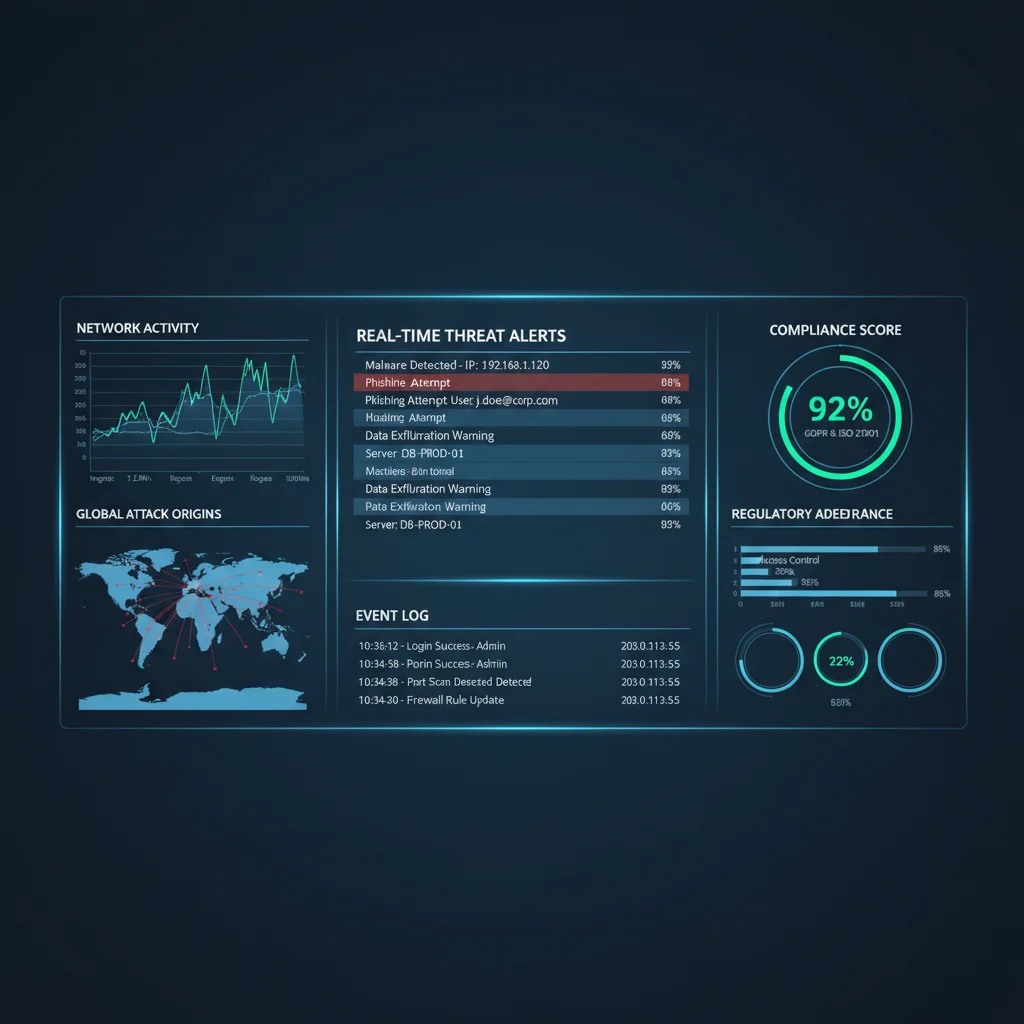
- Security Information and Event Management (SIEM) Systems: SIEM solutions collect, aggregate, and analyze log data from various sources across an organization’s IT infrastructure. They use advanced analytics, machine learning, and threat intelligence to detect and alert on security incidents in real-time, facilitating rapid response.
Why they are essential for HIPAA: Audit logging is explicitly mandated by the Security Rule. SIEM systems go beyond basic logging by providing intelligent analysis, enabling proactive threat detection and demonstrating due diligence in security monitoring – a key aspect of any HIPAA audit.
4. Network Security and Endpoint Protection
Protecting the perimeter and individual devices is critical to preventing unauthorized access to PHI.
- Firewalls and Intrusion Detection/Prevention Systems (IDPS): Next-generation firewalls (NGFWs) and IDPS monitor network traffic for malicious activity and unauthorized access attempts, blocking threats before they can compromise systems.
- Antivirus and Anti-Malware Software: Essential for detecting and removing malicious software from endpoints (workstations, servers, mobile devices) that could compromise PHI.
- Endpoint Detection and Response (EDR) Solutions: EDR tools go beyond traditional antivirus by continuously monitoring endpoint activity, detecting advanced threats, and providing capabilities for investigation and remediation.
- Vulnerability Management Software: These tools regularly scan systems and applications for known vulnerabilities, helping organizations identify and patch weaknesses before they can be exploited by attackers.
Why they are essential for HIPAA: These solutions form the first line of defense against external threats and protect individual devices where PHI may reside, directly addressing the technical safeguards of the Security Rule related to network and workstation security.
5. Risk Assessment and Management Software
HIPAA mandates that covered entities conduct an accurate and thorough assessment of the potential risks and vulnerabilities to the confidentiality, integrity, and availability of ePHI.
- Risk Assessment Tools: These software solutions help organizations identify, analyze, and evaluate potential risks to PHI. They can automate parts of the risk assessment process, track findings, and recommend mitigation strategies.
- Governance, Risk, and Compliance (GRC) Platforms: GRC platforms provide an integrated approach to managing an organization’s overall governance, enterprise risk management, and compliance with various regulations, including HIPAA. They centralize compliance efforts, document controls, and manage policy adherence.
Why they are essential for HIPAA: Risk assessment is a foundational requirement of the Security Rule’s administrative safeguards. GRC platforms provide a structured way to manage the ongoing process of risk management and demonstrate compliance to auditors.
6. Secure Communication and Collaboration Tools
Healthcare professionals frequently communicate and collaborate, often sharing sensitive patient information. Ensuring these channels are secure is paramount.
- Secure Messaging Platforms: Encrypted messaging apps designed specifically for healthcare can facilitate secure communication between providers, adhering to HIPAA’s privacy and security standards.
- Secure Email Gateways: These solutions encrypt emails containing PHI, prevent unauthorized access, and scan for malicious content.
- Secure File Sharing and Collaboration Platforms: Tools that allow healthcare teams to securely share documents, collaborate on patient cases, and store files while maintaining HIPAA compliance through encryption, access controls, and audit trails.
Why they are essential for HIPAA: These tools ensure that PHI remains protected during communication and collaboration, preventing inadvertent disclosures and aligning with the Privacy and Security Rules.
Integrating HIPAA Compliance Software for a Unified Strategy
The effectiveness of your HIPAA compliance software strategy hinges on integration. A fragmented approach, where tools operate in silos, can lead to gaps in security and compliance oversight. Look for solutions that:
- Offer API integrations: To allow different systems to communicate and share data seamlessly.
- Provide centralized dashboards: For a holistic view of your security posture and compliance status.
- Support automation: To streamline tasks like vulnerability scanning, patch management, and incident response.
- Are scalable: To grow with your organization’s needs and evolving technological landscape.
A well-integrated suite of tools not only enhances security but also simplifies compliance management, making it easier to demonstrate adherence during audits.
Choosing the Right HIPAA Compliance Software Vendor
Selecting the right vendors for your HIPAA compliance software is as crucial as selecting the software itself. Consider the following factors:
- HIPAA Expertise: Does the vendor understand HIPAA regulations? Do their products specifically address HIPAA requirements?
- Business Associate Agreement (BAA): A BAA is legally required if a vendor handles, transmits, or stores PHI on your behalf. Ensure the vendor is willing and able to sign a robust BAA.
- Security Certifications: Look for certifications like ISO 27001, SOC 2 Type II, or HITRUST CSF, which indicate a strong commitment to information security.
- Reputation and References: Research the vendor’s track record and ask for references, especially from other healthcare organizations.
- Support and Training: Ensure the vendor provides adequate support and training to help your team effectively utilize the software and maintain compliance.
- Scalability and Future-Proofing: Can the software scale with your organization’s growth? Does the vendor have a roadmap for adapting to future regulatory changes and technological advancements?
- Cost-Effectiveness: While security is paramount, evaluate the total cost of ownership, including licensing, implementation, training, and ongoing maintenance.
Implementing and Maintaining Your HIPAA Compliance Software Strategy
Software alone is not enough. Effective implementation and ongoing maintenance are vital:
- Conduct Regular Risk Assessments: Use your risk assessment software to identify new threats and vulnerabilities as your systems and processes evolve.
- Develop and Enforce Policies and Procedures: Software enforces policies, but clear, written policies and procedures are necessary to guide employee behavior and define responsibilities.
- Employee Training: Regularly train your staff on HIPAA regulations, security best practices, and the proper use of all HIPAA compliance software. Human error remains a leading cause of breaches.
- Regular Audits and Monitoring: Utilize your SIEM and audit logging tools to continuously monitor system activity and conduct internal audits to ensure compliance.
- Incident Response Plan: Develop and regularly test an incident response plan. Your HIPAA compliance software should play a key role in detecting, containing, and recovering from security incidents.
- Patch Management: Keep all software, including operating systems, applications, and security tools, up to date with the latest security patches to address known vulnerabilities.
- Business Associate Management: Continuously monitor and manage your relationships with business associates, ensuring they remain compliant with their BAAs.
The Future of HIPAA Compliance Software
As we move beyond 2026, the evolution of HIPAA compliance software will likely be driven by several key trends:
- AI and Machine Learning for Predictive Security: Expect more advanced AI-driven tools that can not only detect threats but also predict potential vulnerabilities and compliance gaps before they occur.
- Zero Trust Architecture: The ‘never trust, always verify’ model will become more prevalent, requiring continuous verification of every user and device attempting to access resources, regardless of their location.
- Automated Compliance: Increased automation in compliance reporting, policy enforcement, and evidence collection will reduce the manual burden on healthcare organizations.
- Cyber-Resilience: Beyond just prevention, software will focus more on rapid recovery and business continuity in the face of sophisticated cyberattacks.
- Quantum-Resistant Cryptography: As quantum computing advances, the need for quantum-resistant encryption methods will emerge to protect long-term data security.
Staying ahead of these trends will be crucial for healthcare organizations to maintain robust HIPAA compliance.
Conclusion
Achieving and maintaining HIPAA compliance in the dynamic healthcare landscape of 2026 is a complex but non-negotiable undertaking. The right suite of HIPAA compliance software is not merely a cost but a strategic investment in patient trust, organizational integrity, and financial stability. By carefully selecting and integrating solutions for data encryption, access control, audit logging, network security, risk management, and secure communication, healthcare entities can build a formidable defense against threats and ensure adherence to stringent U.S. regulations.
Remember, technology is only one piece of the puzzle. A strong security culture, comprehensive policies, and continuous employee training are equally vital. Together, these elements form a robust framework that protects sensitive patient information, upholds privacy rights, and secures the future of healthcare in an increasingly digital world. Proactive engagement with these essential software tools will be the hallmark of compliant and secure healthcare organizations in the years to come.