
Hybrid Cloud Management: Tools and Techniques for Seamless Operations in 2026
In the rapidly evolving landscape of enterprise IT, the adoption of hybrid cloud strategies has moved beyond a trend to become a fundamental pillar of modern infrastructure. As we look towards 2026, organizations are increasingly grappling with the complexities of managing diverse environments that span on-premise data centers, private clouds, and multiple public cloud providers. This intricate tapestry, while offering unparalleled flexibility, scalability, and resilience, also introduces significant challenges in terms of governance, security, cost optimization, and operational efficiency. Effective hybrid cloud management is no longer a luxury; it’s a critical imperative for competitive advantage and business continuity.
The journey to mastering hybrid cloud management is multifaceted, requiring a blend of advanced technologies, strategic planning, and a deep understanding of organizational needs. Businesses are seeking solutions that can unify control, automate processes, and provide a single pane of glass for visibility across their entire hybrid estate. The goal is to create a seamless operational experience, where workloads can be moved effortlessly, resources are allocated optimally, and security policies are consistently enforced, regardless of where the data or application resides.
This comprehensive guide delves into the essential tools and cutting-edge techniques that will define successful hybrid cloud management in 2026. We will explore the core components of a robust hybrid cloud strategy, discuss the critical challenges organizations face, and spotlight the innovative solutions emerging to address these complexities. From unified platforms and advanced automation to AI-driven insights and enhanced security protocols, prepare to navigate the future of cloud operations with confidence and precision.
Understanding the Hybrid Cloud Landscape in 2026
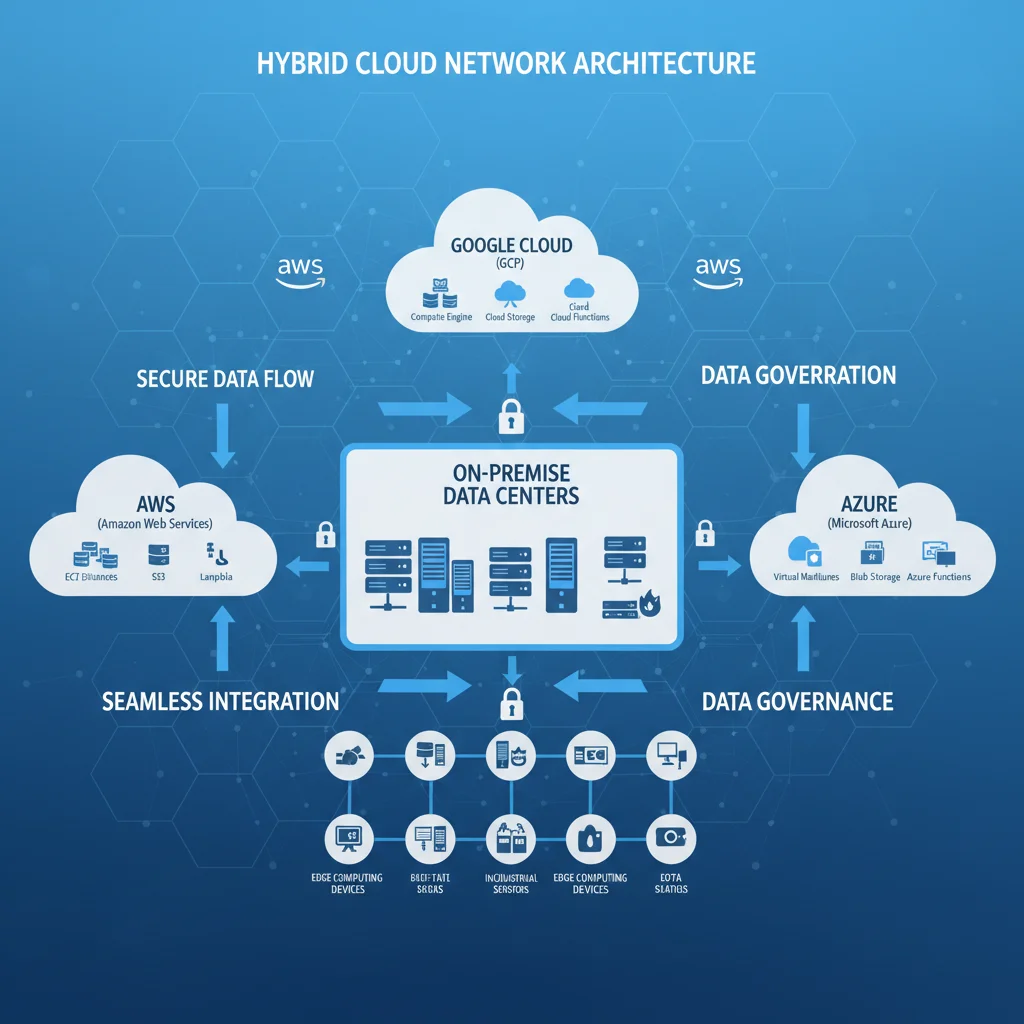
The concept of hybrid cloud has matured significantly. No longer just a simple combination of private and public clouds, the 2026 landscape encompasses a broader spectrum, including multi-cloud environments, edge computing, and specialized cloud services. This evolution is driven by several factors:
- Workload Diversity: Enterprises run a wide array of applications, from legacy systems requiring on-premise stability to modern, cloud-native applications demanding hyperscale elasticity. Hybrid cloud allows organizations to place workloads in the most suitable environment based on performance, compliance, and cost requirements.
- Data Gravity: The sheer volume of data being generated and processed means that moving it en masse between clouds can be impractical and expensive. Hybrid strategies enable data to reside closer to where it’s generated or consumed, minimizing latency and egress costs.
- Regulatory Compliance: Many industries face strict data residency and compliance mandates. A hybrid approach provides the flexibility to keep sensitive data within controlled private environments while leveraging public clouds for less sensitive or burstable workloads.
- Business Continuity and Disaster Recovery: Distributing workloads across multiple environments enhances resilience. If one cloud provider experiences an outage, operations can seamlessly failover to another, or to on-premise infrastructure.
- Strategic Vendor Relationships: Organizations often have existing investments and relationships with specific technology vendors. Hybrid cloud allows them to integrate these existing assets with new cloud services, optimizing their overall IT spend and leverage.
The complexity arising from this diverse landscape underscores the critical need for sophisticated hybrid cloud management solutions. Without a cohesive strategy and the right tools, the benefits of hybrid cloud can quickly be overshadowed by operational overhead, security vulnerabilities, and runaway costs.
Key Challenges in Hybrid Cloud Management
While the advantages of hybrid cloud are compelling, navigating its complexities presents several significant challenges for IT departments. Addressing these challenges effectively is at the core of successful hybrid cloud management.
Visibility and Monitoring Across Disparate Environments
One of the primary hurdles is gaining a unified view of performance, resource utilization, and operational health across on-premise, private, and public cloud infrastructures. Each environment often comes with its own monitoring tools and dashboards, leading to fragmented insights and increased mean time to resolution (MTTR) for issues. A lack of comprehensive visibility makes it difficult to pinpoint bottlenecks, predict capacity needs, or ensure service level agreements (SLAs) are met.
Cost Optimization and Financial Governance
Managing costs in a hybrid environment is notoriously difficult. Public cloud billing models can be complex, and without proper governance, resource sprawl and inefficient allocation can lead to unexpected expenses. Optimizing costs requires continuous monitoring, rightsizing resources, identifying idle assets, and understanding the true cost of ownership for various workloads across different clouds. Effective hybrid cloud management demands robust FinOps practices.
Security and Compliance Consistency
Extending security policies and compliance frameworks across a hybrid environment is a monumental task. Each cloud provider has its own security features and compliance certifications, and ensuring consistent policy enforcement, identity and access management (IAM), data encryption, and threat detection across all environments is crucial. Misconfigurations or gaps in security can expose organizations to significant risks, making a unified security posture a top priority for hybrid cloud management.
Operational Complexity and Skill Gaps
The sheer number of technologies, APIs, and management interfaces involved in a hybrid cloud can overwhelm IT teams. This complexity often leads to operational inefficiencies, manual errors, and a reliance on specialized skills that may be in short supply. Automating routine tasks and standardizing operational procedures are vital for streamlining operations and reducing the burden on IT staff. Addressing skill gaps through training and leveraging intuitive management platforms is also key.
Data Management and Governance
Data is the lifeblood of modern organizations, and managing it effectively in a hybrid cloud is paramount. This includes ensuring data consistency, integrity, and availability across different storage locations, as well as adhering to data residency and privacy regulations (e.g., GDPR, CCPA). Data migration, synchronization, and backup strategies must be carefully planned and executed to support seamless application operations and disaster recovery scenarios. Robust data governance is an integral part of comprehensive hybrid cloud management.
Essential Tools and Techniques for Hybrid Cloud Management in 2026
To overcome these challenges, organizations are increasingly turning to a new generation of tools and adopting sophisticated techniques for hybrid cloud management. These solutions aim to bring order, automation, and intelligence to the complex hybrid landscape.
1. Unified Hybrid Cloud Management Platforms (HCMPs)
At the forefront of effective hybrid cloud management are unified platforms designed to provide a single control plane for diverse environments. These platforms abstract away the underlying complexities of individual clouds, offering a consistent interface for deployment, monitoring, and governance. Key features include:
- Centralized Orchestration: Automating the provisioning, deployment, and scaling of applications and infrastructure across private and public clouds.
- Unified Monitoring and Analytics: Aggregating logs, metrics, and events from all environments into a single dashboard, often enhanced with AI/ML for anomaly detection and predictive analytics.
- Cost Management and Optimization: Providing detailed cost visibility, budget tracking, and recommendations for resource rightsizing and identifying waste.
- Policy-Driven Governance: Enforcing consistent security, compliance, and operational policies across the entire hybrid estate.
- Service Catalog: Offering self-service portals where developers and users can provision approved resources and services, accelerating development cycles while maintaining control.
Leading vendors in this space include VMware Cloud, Red Hat OpenShift, Microsoft Azure Arc, Google Anthos, and various independent cloud management platforms (CMPs).
2. Advanced Automation and Orchestration
Automation is the cornerstone of efficient hybrid cloud management. Manual processes are prone to errors, slow, and cannot keep pace with the dynamic nature of cloud environments. Tools and techniques driving advanced automation include:
- Infrastructure as Code (IaC): Using tools like Terraform, Ansible, and CloudFormation to define and provision infrastructure resources programmatically, ensuring consistency and repeatability across clouds.
- Configuration Management: Automating the configuration of servers, operating systems, and applications using tools like Puppet, Chef, or SaltStack, ensuring desired state consistency.
- Continuous Integration/Continuous Deployment (CI/CD): Implementing automated pipelines for building, testing, and deploying applications across hybrid environments, accelerating software delivery.
- Runbook Automation: Automating routine operational tasks and incident response procedures, reducing manual intervention and improving response times.

3. AI-Powered Operations (AIOps)
AIOps platforms are becoming indispensable for hybrid cloud management. By applying artificial intelligence and machine learning to operational data, AIOps can:
- Proactive Anomaly Detection: Identify unusual patterns in performance or security logs before they escalate into major incidents.
- Root Cause Analysis: Quickly pinpoint the underlying cause of issues by correlating events across disparate systems.
- Predictive Analytics: Forecast future resource needs, potential outages, or security threats based on historical data.
- Automated Remediation: Trigger automated responses to common problems, reducing the need for human intervention.
- Intelligent Cost Optimization: Provide AI-driven recommendations for rightsizing, scheduling, and purchasing decisions to minimize cloud spend.
AIOps transforms reactive IT operations into proactive, intelligent operations, significantly enhancing the efficiency and reliability of hybrid cloud management.
4. Robust Security and Compliance Frameworks
Security in a hybrid cloud requires a holistic approach that extends beyond traditional perimeter defenses. Key elements include:
- Cloud Security Posture Management (CSPM): Continuously monitoring cloud configurations for misconfigurations that could lead to security vulnerabilities or compliance violations.
- Cloud Workload Protection Platforms (CWPP): Protecting workloads (VMs, containers, serverless functions) across hybrid environments with capabilities like vulnerability scanning, runtime protection, and host-based intrusion detection.
- Identity and Access Management (IAM): Implementing a unified IAM strategy that provides consistent authentication and authorization across all cloud and on-premise resources.
- Data Encryption: Ensuring data is encrypted at rest and in transit across all environments, coupled with robust key management.
- Microsegmentation: Creating granular network policies that isolate workloads and limit lateral movement of threats within the hybrid environment.
- Compliance as Code: Embedding compliance requirements directly into infrastructure and application code, automating checks and reporting.
These tools and techniques are crucial for maintaining a strong security posture and adhering to regulatory requirements in complex hybrid cloud management scenarios.
5. FinOps Practices and Tools
FinOps, or Cloud Financial Management, is a cultural practice that brings financial accountability to the variable spend model of cloud, enabling organizations to make business trade-offs between speed, cost, and quality. For hybrid cloud management, FinOps involves:
- Cost Visibility and Allocation: Gaining a clear understanding of where cloud spending is occurring and attributing costs to specific teams, projects, or business units.
- Budgeting and Forecasting: Setting budgets, tracking actual spend against forecasts, and predicting future cloud expenditures.
- Optimization Recommendations: Utilizing tools that analyze usage patterns and recommend opportunities for cost savings, such as rightsizing instances, identifying idle resources, or leveraging reserved instances/savings plans.
- Governance and Policy Enforcement: Implementing policies to prevent cost overruns, such as setting spending limits or requiring approvals for high-cost services.
- Showback/Chargeback: Implementing mechanisms to show or charge departments for their cloud usage, fostering greater accountability.
Effective FinOps is integral to ensuring that the financial benefits of hybrid cloud are realized and that costs remain under control.
Best Practices for Successful Hybrid Cloud Management in 2026
Beyond specific tools, adopting a strategic approach and adhering to best practices are paramount for achieving seamless hybrid cloud management.
1. Develop a Clear Hybrid Cloud Strategy
Before deploying any workload, define what success looks like. Identify which workloads are best suited for public cloud, private cloud, or on-premise. Establish clear objectives for performance, security, compliance, and cost. A well-defined strategy acts as a roadmap for all hybrid cloud management decisions.
2. Standardize and Automate Everything Possible
Consistency is key. Use Infrastructure as Code (IaC) to define environments, automate provisioning, and standardize configurations. This reduces manual errors, speeds up deployments, and ensures that environments across your hybrid estate are consistent and compliant. Automation should extend to monitoring, patching, and incident response where feasible.
3. Prioritize Security from Day One
Security cannot be an afterthought. Implement a zero-trust security model, apply consistent identity and access management (IAM) policies, and encrypt data everywhere. Regularly audit your security posture and conduct penetration testing. Educate your teams on cloud security best practices. A proactive security stance is non-negotiable for effective hybrid cloud management.
4. Implement Robust Governance and Policy Enforcement
Establish clear policies for resource provisioning, usage, cost management, and compliance. Leverage management platforms that can automatically enforce these policies across your hybrid environment. This prevents shadow IT, ensures regulatory adherence, and maintains operational control.
5. Foster Collaboration (BizDevOps and FinOps)
Break down silos between development, operations, security, and finance teams. Adopt a BizDevOps culture where teams work together from planning to deployment and operation. Integrate FinOps practices to ensure financial accountability and cost awareness are embedded in every stage of the cloud lifecycle. This collaborative approach enhances overall hybrid cloud management effectiveness.
6. Invest in Skills and Training
The hybrid cloud landscape is constantly evolving. Ensure your IT teams have the necessary skills in cloud architecture, security, automation, and specific cloud provider technologies. Continuous learning and upskilling are vital for managing these complex environments effectively.
7. Embrace Observability and AIOps
Move beyond traditional monitoring to full observability. Collect metrics, logs, and traces from all layers of your hybrid stack. Leverage AIOps platforms to process this vast amount of data, gain actionable insights, and automate responses. This proactive approach helps identify and resolve issues before they impact users, crucial for seamless hybrid cloud management.
8. Plan for Data Management and Disaster Recovery
Develop a comprehensive data strategy that addresses data residency, sovereignty, backup, and recovery across your hybrid environments. Ensure that your disaster recovery plan is regularly tested and can effectively restore services and data in the event of an outage in any part of your hybrid infrastructure.
The Future of Hybrid Cloud Management
Looking ahead to 2026 and beyond, hybrid cloud management will continue to evolve with emerging technologies and shifting business demands. We can anticipate several key trends:
- Increased Edge Integration: As more data is generated at the edge, hybrid cloud strategies will increasingly incorporate edge computing, requiring management solutions that can extend control and visibility to these distributed environments.
- Serverless and Container Orchestration Dominance: Kubernetes and serverless platforms will become even more central to hybrid deployments, demanding management tools that can seamlessly orchestrate and monitor these ephemeral workloads across clouds.
- Hyper-Automation and Autonomous Operations: The drive towards self-managing, self-healing hybrid clouds will accelerate, with AI and machine learning playing a more significant role in automating complex operational decisions and tasks.
- Enhanced Sustainability Focus: Cloud management tools will increasingly incorporate features for monitoring and optimizing the environmental impact of cloud resources, helping organizations meet sustainability goals.
- Sovereign Cloud Considerations: Geopolitical factors and data sovereignty concerns will lead to a greater emphasis on sovereign cloud solutions, which will need to be integrated into broader hybrid management strategies.
The future of hybrid cloud management is one of increasing intelligence, automation, and integration, enabling organizations to harness the full power of their diverse IT estates with unprecedented efficiency and agility.
Conclusion
The journey to effective hybrid cloud management is continuous, characterized by ongoing learning, adaptation, and strategic investment. In 2026, organizations that master the art of managing their hybrid environments will be those that embrace unified platforms, leverage advanced automation and AI, prioritize robust security and governance, and cultivate a collaborative, FinOps-driven culture. By strategically deploying the right tools and techniques, businesses can transform the complexities of hybrid cloud into a powerful engine for innovation, resilience, and sustained growth.
The promise of hybrid cloud — unparalleled flexibility, optimized costs, and enhanced operational efficiency — is fully realized only through diligent and intelligent management. As the technological landscape continues to evolve, staying ahead of the curve in hybrid cloud management will be a defining characteristic of successful enterprises.