Integrated Vulnerability Management: U.S. Companies Reduce Exposure 40% by 2026
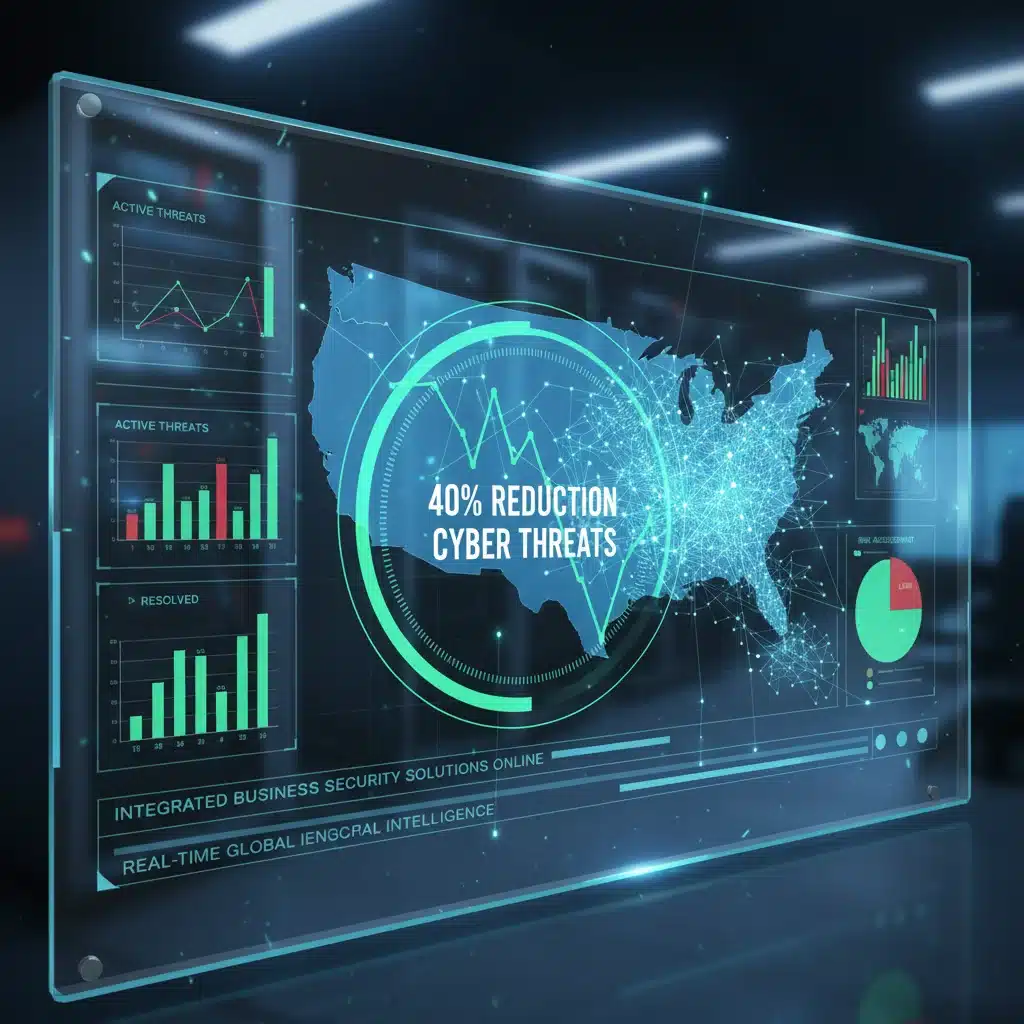
In an increasingly digitized world, the landscape of cyber threats continues to evolve at an alarming pace. For U.S. companies, the challenge of protecting sensitive data, intellectual property, and critical infrastructure has never been more pressing. The sheer volume and sophistication of cyberattacks necessitate a proactive, comprehensive approach to security. This is where Integrated Vulnerability Management emerges as a cornerstone strategy, promising not just to react to threats, but to significantly reduce cyber exposure by an ambitious 40% by 2026. This article delves into the intricacies of achieving this goal, exploring the methodologies, technologies, and strategic shifts required for U.S. businesses to fortify their digital defenses.
The concept of vulnerability management is not new, but its integration into a holistic security framework is gaining unprecedented traction. Traditional vulnerability management often operates in silos, identifying weaknesses without always providing a clear path to remediation or understanding the broader impact on the organization’s risk posture. However, the modern threat environment demands a more unified and intelligent approach. Integrated Vulnerability Management transcends these limitations by combining scanning, assessment, prioritization, remediation, and continuous monitoring into a single, cohesive process, often powered by advanced security software.
Understanding the Cyber Threat Landscape for U.S. Companies
Before diving into the solutions, it’s crucial to grasp the current threat landscape facing U.S. companies. Ransomware attacks have become more frequent and damaging, supply chain vulnerabilities are being exploited with increasing regularity, and nation-state sponsored cyber espionage poses a persistent and sophisticated threat. According to recent reports, the average cost of a data breach in the U.S. continues to climb, highlighting the financial imperative to invest in robust cybersecurity. Furthermore, regulatory pressures, such as those from NIST, CISA, and various industry-specific compliance standards, compel organizations to adopt stringent security measures.
The sheer volume of potential vulnerabilities within an enterprise IT environment is staggering. From misconfigured cloud services and unpatched software to weak authentication protocols and insider threats, the attack surface is vast and constantly expanding. Without a systematic and integrated approach, organizations are often playing a game of ‘whack-a-mole,’ addressing individual vulnerabilities as they arise, rather than tackling the root causes of their exposure. This reactive stance is not only inefficient but also leaves significant gaps that attackers are quick to exploit.
The Imperative for a 40% Reduction in Cyber Exposure by 2026
Why aim for a 40% reduction in cyber exposure by 2026? This ambitious target reflects a growing understanding among cybersecurity leaders that incremental improvements are no longer sufficient. A significant reduction is necessary to stay ahead of evolving threats and to build genuine cyber resilience. A 40% reduction implies a fundamental shift in how vulnerabilities are perceived and managed – moving from a checklist mentality to a continuous, risk-based optimization process. This goal is not merely about patching more vulnerabilities; it’s about intelligently prioritizing and mitigating the vulnerabilities that pose the greatest risk to the business, thereby maximizing the impact of security investments.
Achieving this level of reduction requires a strategic commitment from leadership, adequate resource allocation, and the adoption of cutting-edge technologies. It also demands a cultural shift, where cybersecurity is seen not just as an IT function but as a shared responsibility across the entire organization. The benefits extend beyond simply avoiding breaches; a stronger security posture builds customer trust, ensures business continuity, and can even become a competitive differentiator.
Defining Integrated Vulnerability Management
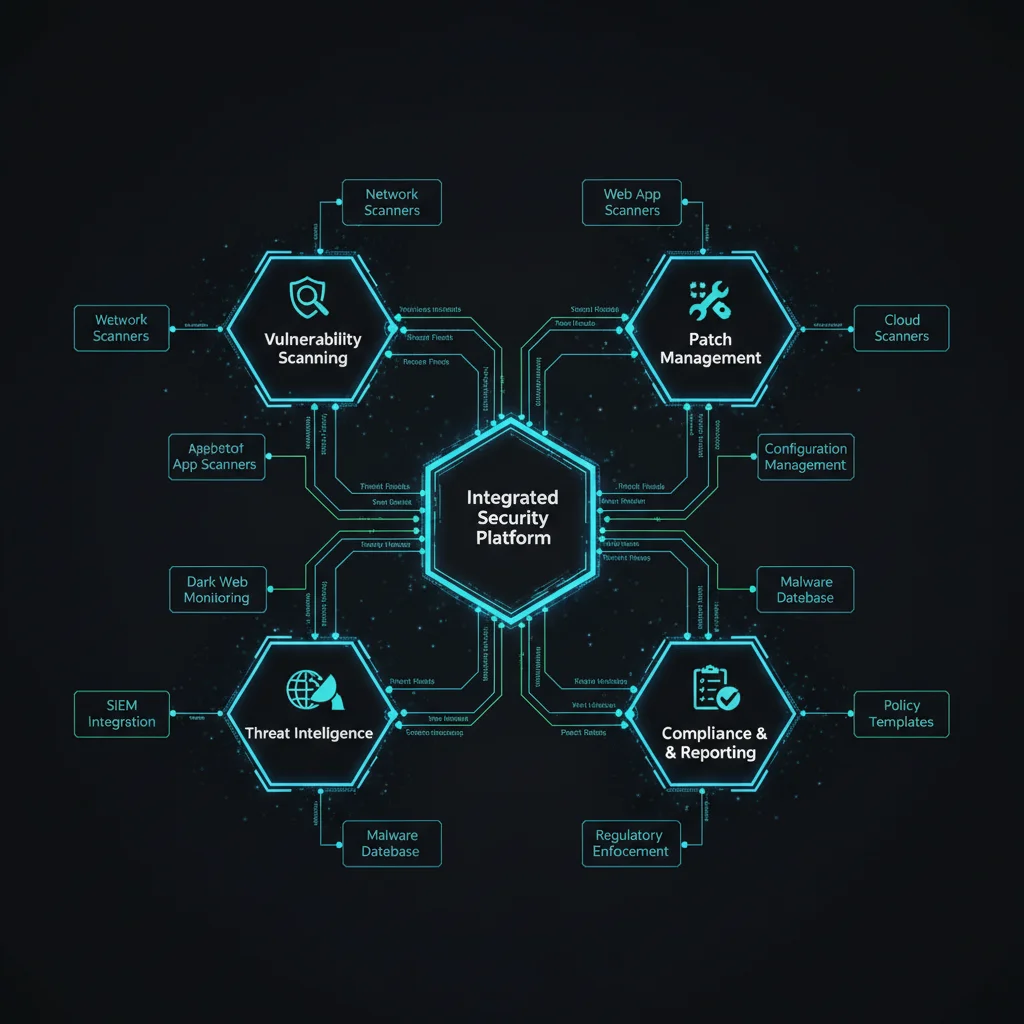
At its core, Integrated Vulnerability Management is a holistic approach to identifying, assessing, prioritizing, and remediating security weaknesses across an organization’s entire IT infrastructure. Unlike traditional, siloed approaches, integration means that all components of the vulnerability management lifecycle communicate and share data seamlessly. This includes:
- Asset Discovery and Inventory: Continuously identifying all hardware, software, cloud assets, and IoT devices within the network.
- Vulnerability Scanning: Regularly scanning systems for known security flaws, misconfigurations, and compliance deviations.
- Threat Intelligence Integration: Incorporating real-time threat data to understand which vulnerabilities are actively being exploited in the wild.
- Risk-Based Prioritization: Moving beyond simple CVSS scores to prioritize vulnerabilities based on their potential impact to the business, asset criticality, and exploitability.
- Automated Remediation Workflows: Streamlining the patching and configuration management processes.
- Continuous Monitoring: Maintaining an ongoing watch over the security posture to detect new vulnerabilities and assess the effectiveness of remediation efforts.
- Reporting and Analytics: Providing clear, actionable insights into the organization’s vulnerability status and overall security performance.
The ‘integrated’ aspect means that these functions are not disparate tools but rather components of a unified system, often facilitated by a single security platform or a tightly interconnected suite of tools. This eliminates manual data transfers, reduces human error, and provides a single pane of glass for security teams to manage and understand their vulnerabilities.
The Role of Advanced Security Software
Achieving a 40% reduction in cyber exposure by 2026 is largely contingent on the strategic deployment of advanced security software. These tools are the backbone of effective Integrated Vulnerability Management, providing the automation, intelligence, and scalability required to manage complex IT environments. Key software categories include:
1. Vulnerability Scanners and Assessment Tools
Modern vulnerability scanners go beyond basic port scans. They offer authenticated scanning, web application scanning, and cloud configuration auditing. They can identify vulnerabilities in operating systems, applications, network devices, and database servers. Advanced tools also provide context-aware scanning, adapting their approach based on the type of asset and its criticality.
2. Threat Intelligence Platforms (TIPs)
TIPs aggregate and analyze threat data from various sources, providing crucial context for prioritizing vulnerabilities. By knowing which vulnerabilities are being actively exploited by attackers, organizations can focus their remediation efforts on the most immediate and dangerous threats. This integration is vital for a risk-based approach to vulnerability management.
3. Security Information and Event Management (SIEM) / Security Orchestration, Automation, and Response (SOAR)
SIEM systems collect and analyze security logs and events from across the IT infrastructure, helping to detect suspicious activities and potential breaches. When integrated with vulnerability management, SIEM can correlate vulnerability data with active threats, providing a clearer picture of the organization’s real-time risk. SOAR platforms automate security operations tasks, including incident response and vulnerability remediation workflows, significantly speeding up reaction times and reducing manual effort.
4. Patch Management and Configuration Management Tools
These tools automate the deployment of software patches and ensure that systems are configured according to security best practices. Integrating these with vulnerability management ensures that identified weaknesses are quickly addressed, often without human intervention for routine updates. This is particularly critical for reducing exposure to commonly exploited vulnerabilities that have readily available patches.
5. Cloud Security Posture Management (CSPM) and Cloud Workload Protection Platforms (CWPP)
As more U.S. companies migrate to the cloud, managing cloud-specific vulnerabilities becomes paramount. CSPM tools continuously monitor cloud environments for misconfigurations and compliance violations, while CWPPs protect workloads running in the cloud. These are essential for extending Integrated Vulnerability Management to modern, dynamic cloud infrastructures.
6. Attack Surface Management (ASM)
ASM solutions help organizations discover and monitor their external-facing assets, including shadow IT and unknown internet-facing systems. By providing a comprehensive view of the entire attack surface, ASM ensures that no potential entry point for attackers goes unnoticed, a critical step in reducing overall cyber exposure.
Key Strategies for Implementation and Achieving the 40% Reduction
Implementing effective Integrated Vulnerability Management and achieving a 40% reduction in cyber exposure by 2026 requires a multi-faceted strategy:
1. Establish a Risk-Based Prioritization Framework
Not all vulnerabilities are created equal. Organizations must develop a robust framework for prioritizing vulnerabilities based on factors such as asset criticality, exploitability, the presence of active exploits in the wild, and the potential business impact of a breach. This ensures that resources are allocated to address the most significant threats first.
2. Automate Everything Possible
Manual processes are slow, error-prone, and unsustainable in large IT environments. Leverage automation for asset discovery, vulnerability scanning, threat intelligence correlation, patch deployment, and reporting. Automation frees up security teams to focus on more complex strategic tasks.
3. Foster a Culture of Security
Cybersecurity is a collective responsibility. Educate employees about common threats, secure coding practices for developers, and the importance of prompt patching for IT teams. Leadership must champion security initiatives and allocate necessary resources.
4. Embrace Continuous Monitoring and Assessment
The threat landscape is constantly changing, and so is the IT environment. Implement continuous monitoring to detect new vulnerabilities as they emerge, track the effectiveness of remediation efforts, and adapt security controls as needed. Regular penetration testing and red teaming exercises can also help validate the effectiveness of the vulnerability management program.
5. Integrate Security Throughout the Development Lifecycle (DevSecOps)
For organizations developing their own software, integrating security practices into every stage of the software development lifecycle (SDLC) is crucial. This ‘shift-left’ approach helps identify and remediate vulnerabilities early, significantly reducing the cost and effort of fixing them later.
6. Leverage AI and Machine Learning
Artificial intelligence and machine learning can enhance vulnerability management by improving anomaly detection, predicting potential attack paths, and automating the analysis of vast amounts of security data. These technologies can help identify subtle patterns and emerging threats that might be missed by human analysts or rule-based systems.
7. Regular Reporting and Metrics
To track progress towards the 40% reduction goal, organizations need clear, consistent metrics and reporting. This includes tracking the number of identified vulnerabilities, average time to remediation, percentage of critical vulnerabilities addressed, and overall reduction in cyber exposure over time. These reports are vital for demonstrating ROI and securing continued investment in security initiatives.
Challenges and Considerations
While the benefits of Integrated Vulnerability Management are clear, organizations will face several challenges on the path to a 40% reduction in cyber exposure:
- Complexity of IT Environments: Modern IT infrastructures are highly complex, encompassing on-premise systems, multiple cloud providers, IoT devices, and remote workforces. Managing vulnerabilities across such diverse environments is a significant undertaking.
- Resource Constraints: Many organizations struggle with a shortage of skilled cybersecurity professionals and limited budgets. Automation and intelligent software can help alleviate some of these constraints, but strategic investment is still required.
- Alert Fatigue: The sheer volume of security alerts generated by various tools can overwhelm security teams, leading to missed critical warnings. Effective prioritization and intelligent filtering are essential.
- Legacy Systems: Older systems often have known vulnerabilities and may not be compatible with modern security software or patching processes, posing a significant challenge for remediation.
- Rapid Technological Change: The constant introduction of new technologies and software means that new vulnerabilities are continuously emerging, requiring continuous adaptation of security strategies.

The Path to 2026: A Roadmap for U.S. Companies
To achieve the ambitious goal of a 40% reduction in cyber exposure by 2026, U.S. companies should consider the following roadmap:
- Q1-Q2 2024: Baseline Assessment and Strategy Development: Conduct a comprehensive assessment of the current vulnerability management program. Identify gaps, define key performance indicators (KPIs) for cyber exposure, and develop a strategic roadmap for integration. This includes selecting appropriate Integrated Vulnerability Management software solutions.
- Q3-Q4 2024: Initial Tool Deployment and Integration: Begin deploying chosen security software. Focus on integrating core components like vulnerability scanning, asset management, and threat intelligence. Establish initial automated workflows for common vulnerability types.
- 2025: Expansion and Optimization: Expand the scope of the integrated program to cover all critical assets, including cloud environments and operational technology (OT) if applicable. Optimize risk-based prioritization and remediation processes. Invest in AI/ML capabilities to enhance threat detection and analysis. Conduct regular training for security teams and broader employee awareness campaigns.
- 2026: Continuous Improvement and Measurement: Refine and mature the Integrated Vulnerability Management program. Regularly review and update policies and procedures. Continuously monitor progress against the 40% reduction target, adjusting strategies as needed. Focus on proactive threat hunting and advanced persistent threat (APT) detection.
Measuring Success: KPIs for Cyber Exposure Reduction
Measuring the success of an Integrated Vulnerability Management program is critical. Key Performance Indicators (KPIs) should include:
- Mean Time To Detect (MTTD) Vulnerabilities: How quickly new vulnerabilities are identified.
- Mean Time To Remediate (MTTR) Vulnerabilities: The average time it takes to fix a vulnerability once detected.
- Percentage of Critical Vulnerabilities Remediated: Focus on the most dangerous flaws.
- Reduction in Attack Surface: Measured by the number of open ports, exposed services, and discovered shadow IT.
- Compliance Score Improvement: Adherence to regulatory and industry standards.
- Number of Security Incidents/Breaches: A direct measure of reduced exposure.
- Risk Score Reduction: A quantified metric of overall organizational risk.
By consistently tracking these metrics, U.S. companies can clearly demonstrate progress towards their 40% reduction goal and make data-driven decisions to further enhance their security posture.
Conclusion: A More Secure Future for U.S. Businesses
The journey to a 40% reduction in cyber exposure by 2026 is challenging but entirely achievable for U.S. companies willing to embrace a strategic, integrated approach to vulnerability management. By leveraging advanced security software, fostering a strong security culture, and committing to continuous improvement, organizations can transform their cybersecurity defenses from reactive to proactive. Integrated Vulnerability Management is not just a buzzword; it is a critical business imperative that will define the resilience and success of enterprises in the coming years. The time to act is now, to build a more secure digital future and protect the vital assets that drive the U.S. economy.