Automated Vulnerability Management: Slash Patching Cycles by 50%

Automated Vulnerability Management Software: Reducing Patching Cycles by 50% in Q1 2026
In today’s rapidly evolving digital landscape, cybersecurity is no longer just an IT concern; it’s a fundamental business imperative. Organizations face a relentless barrage of cyber threats, with new vulnerabilities emerging daily. The traditional approach to vulnerability management—often manual, reactive, and resource-intensive—is simply no longer sufficient. This is where automated vulnerability management software steps in, offering a transformative solution that promises not only to bolster your security posture but also to drastically improve operational efficiency. Imagine reducing your patching cycles by an impressive 50% by Q1 2026. This isn’t a pipe dream; it’s an achievable reality with the right automation strategies.
The sheer volume of vulnerabilities discovered each year is staggering. According to various cybersecurity reports, the number of new Common Vulnerabilities and Exposures (CVEs) continues to rise, making it nearly impossible for human teams to keep pace. Each unpatched vulnerability represents a potential entry point for attackers, leading to data breaches, system downtime, financial losses, and severe reputational damage. The average time to patch a critical vulnerability can range from weeks to months, leaving organizations exposed for extended periods. This lag is precisely what automated vulnerability management aims to eliminate.
The Critical Need for Automated Vulnerability Management
Before diving into the ‘how,’ let’s understand the ‘why.’ Why is automated vulnerability management so crucial in the current threat landscape? The reasons are multifaceted and deeply rooted in the challenges faced by modern enterprises:
- Exploding Attack Surface: The proliferation of cloud services, IoT devices, remote workforces, and complex application architectures has dramatically expanded the attack surface. More assets mean more potential vulnerabilities.
- Increasing Volume and Velocity of Threats: Cybercriminals are becoming more sophisticated and organized. New exploits are developed and weaponized at an alarming rate, often before organizations can even identify and patch the underlying vulnerabilities.
- Resource Constraints: Cybersecurity teams are often understaffed and overwhelmed. Manual vulnerability scanning, prioritization, and patching consume significant time and resources that could be better spent on strategic initiatives.
- Compliance Requirements: Regulatory frameworks like GDPR, HIPAA, PCI DSS, and ISO 27001 mandate robust vulnerability management processes. Failure to comply can result in hefty fines and legal repercussions.
- Human Error: Manual processes are inherently prone to error. Misconfigurations, overlooked patches, and inconsistent application of security policies can create critical gaps in defense.
These challenges collectively paint a picture of a security environment where traditional methods are struggling to keep up. Automated vulnerability management offers a lifeline, providing the speed, accuracy, and scalability necessary to combat these modern threats effectively.
Understanding Automated Vulnerability Management Software
At its core, automated vulnerability management software is designed to streamline and accelerate the entire vulnerability lifecycle, from discovery to remediation. It leverages advanced technologies like artificial intelligence (AI), machine learning (ML), and robotic process automation (RPA) to perform tasks that would otherwise require extensive manual effort. Key components and functionalities typically include:
- Continuous Scanning and Discovery: Automated tools constantly scan networks, applications, cloud environments, and endpoints to identify new assets and detect vulnerabilities in real-time or near real-time. This includes identifying misconfigurations, missing patches, weak passwords, and insecure code.
- Intelligent Prioritization: Not all vulnerabilities are created equal. Automated systems use threat intelligence, asset criticality, exploitability scores (like CVSS), and business impact analysis to prioritize vulnerabilities. This ensures that the most critical risks are addressed first, optimizing resource allocation.
- Automated Remediation Workflows: This is where the significant time savings occur. The software can automatically initiate patching processes, deploy configuration changes, quarantine affected systems, or trigger incident response protocols based on predefined rules and policies. Integration with existing IT service management (ITSM) and patch management systems is crucial here.
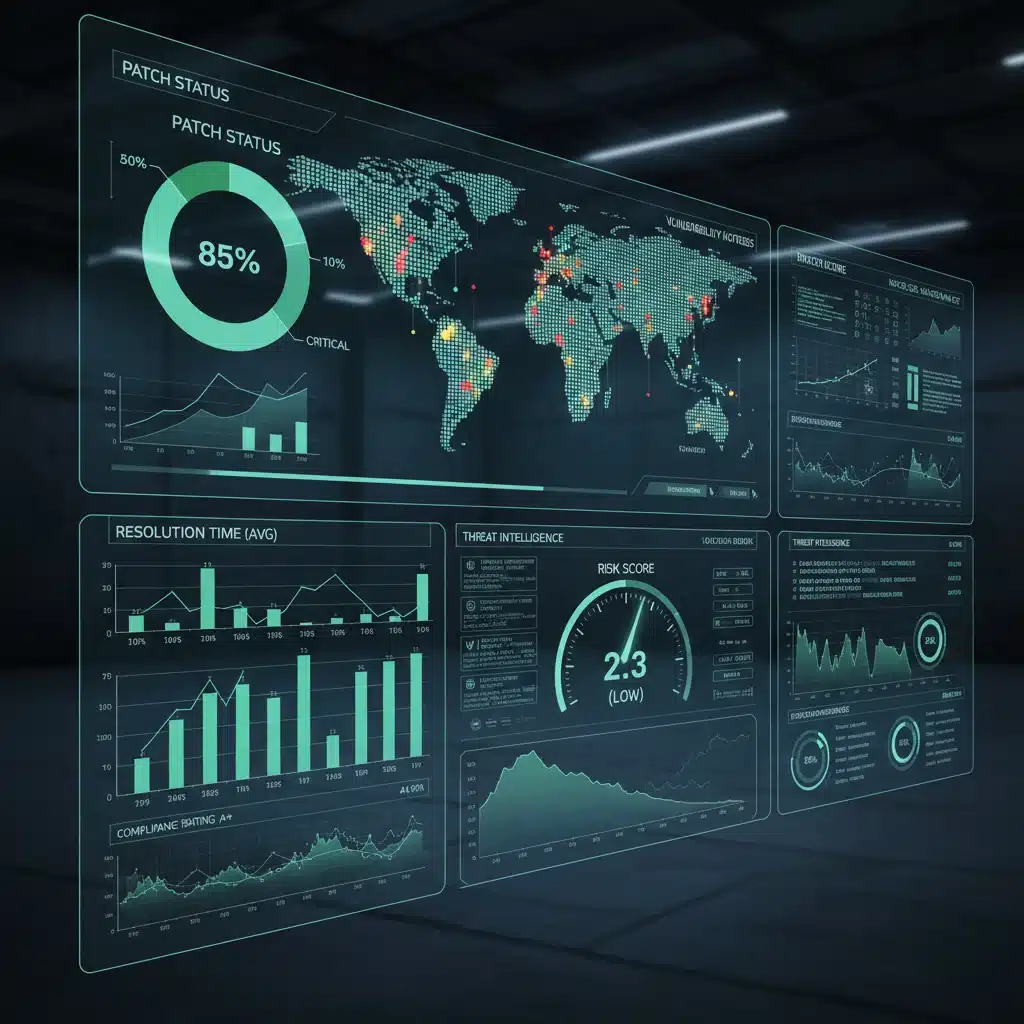
- Reporting and Analytics: Comprehensive dashboards and reports provide real-time visibility into the organization’s security posture, vulnerability trends, remediation progress, and compliance status. This data is invaluable for decision-making and demonstrating ROI.
- Integration Capabilities: Effective automated vulnerability management solutions integrate seamlessly with other security tools (SIEM, EDR, SOAR), development pipelines (DevSecOps), and IT infrastructure management systems, creating a unified and cohesive security ecosystem.
By automating these steps, organizations can significantly reduce the time between vulnerability discovery and remediation, thereby shrinking the window of opportunity for attackers. This proactive approach is a game-changer for cybersecurity.
The Path to a 50% Reduction in Patching Cycles by Q1 2026
Achieving a 50% reduction in patching cycles is an ambitious yet attainable goal with a well-planned implementation of automated vulnerability management. Here’s a strategic roadmap:
Phase 1: Assessment and Planning (Q2-Q3 2024)
- Current State Analysis: Conduct a thorough assessment of your existing vulnerability management processes. Identify bottlenecks, manual dependencies, time-consuming tasks, and areas of high risk. Document your current mean time to remediate (MTTR) for different types of vulnerabilities.
- Define Clear Objectives and KPIs: Beyond the 50% reduction, establish specific, measurable, achievable, relevant, and time-bound (SMART) goals. This might include reducing critical vulnerability exposure by X%, improving compliance scores, or freeing up Y hours of staff time.
- Stakeholder Buy-in: Secure commitment from leadership across IT, security, operations, and even development teams. Emphasize the business benefits beyond just security, such as operational efficiency and cost savings.
- Vendor Selection: Research and select an automated vulnerability management platform that aligns with your organizational needs, infrastructure, and budget. Consider factors like scalability, integration capabilities, ease of use, and vendor support.
Phase 2: Pilot Implementation and Integration (Q4 2024 – Q1 2025)
- Start Small: Begin with a pilot program on a non-critical segment of your infrastructure or a specific application. This allows you to test the platform’s capabilities, refine processes, and identify any unforeseen challenges in a controlled environment.
- Integrate Key Systems: Connect the automated solution with your existing asset management, CMDB, patch management tools, and ticketing systems. Seamless integration is paramount for end-to-end automation.
- Develop Automation Playbooks: Create clear, predefined rules and workflows for different vulnerability types. For instance, critical OS patches might trigger immediate deployment, while less severe application vulnerabilities might go through an approval process before automated patching.
- Baseline Metrics: Establish new baseline metrics from your pilot. How much faster are you identifying and patching vulnerabilities in the pilot environment compared to your initial assessment?
Phase 3: Phased Rollout and Optimization (Q2 2025 – Q4 2025)
- Expand Scope: Gradually roll out the automated vulnerability management solution across your entire IT estate. Prioritize critical systems and applications first, then expand to less critical assets.
- Continuous Monitoring and Tuning: Regularly monitor the performance of your automated workflows. Use the platform’s analytics to identify areas for improvement. Are there false positives? Are some patches failing? Adjust rules and configurations as needed.
- Training and Upskilling: Train your security and IT operations teams on how to effectively use and manage the new automated system. Their roles will shift from manual execution to oversight, policy definition, and exception handling.
- Feedback Loops: Establish mechanisms for regular feedback from teams using the system. This will help in identifying practical issues and opportunities for further automation.
Phase 4: Achieving and Sustaining the 50% Reduction (Q1 2026 and Beyond)
By Q1 2026, with diligent execution of the previous phases, you should be well on your way to achieving, if not exceeding, your 50% reduction target. The key now is to sustain and further optimize:
- Regular Performance Reviews: Continuously review your patching cycles and MTTR against your KPIs. Identify any new bottlenecks or emerging threat patterns that require adjustments to your automation strategy.
- Leverage Advanced Features: Explore and implement more advanced features of your automated vulnerability management platform, such as predictive analytics, AI-driven threat modeling, and more sophisticated orchestration capabilities.
- Stay Updated: Keep abreast of the latest cybersecurity threats, industry best practices, and new features from your chosen vendor. The threat landscape is dynamic, and your defense must be too.
- Culture of Security: Foster a culture where security is everyone’s responsibility, and automation is seen as an enabler, not a replacement for human expertise.
Tangible Benefits of Automated Vulnerability Management
Beyond the impressive 50% reduction in patching cycles, implementing automated vulnerability management brings a host of other significant benefits:
-
Enhanced Security Posture
By drastically reducing the time critical vulnerabilities remain unpatched, organizations significantly shrink their attack surface. This proactive defense mechanism makes it far more difficult for attackers to exploit known weaknesses, thereby preventing breaches and enhancing overall security posture. Automated systems ensure consistent application of security policies across the entire infrastructure, eliminating human error and ensuring no critical asset is overlooked.
-
Increased Operational Efficiency and Cost Savings
Manual vulnerability management is incredibly labor-intensive. Security analysts spend countless hours sifting through scan results, correlating data, prioritizing vulnerabilities, and coordinating patching efforts. Automation frees up these valuable resources, allowing security teams to focus on more strategic tasks like threat hunting, security architecture design, and advanced incident response. This not only optimizes staff utilization but also reduces operational costs associated with manual labor and potential breach remediation.
-
Improved Compliance and Audit Readiness
Regulatory compliance is a constant challenge for many organizations. Automated vulnerability management platforms provide detailed audit trails, comprehensive reports, and continuous monitoring capabilities that make demonstrating compliance with various industry standards and regulations much simpler. Automated systems ensure that policies are consistently enforced, reducing the risk of non-compliance fines and reputational damage.
-
Faster Time to Market for Applications
In a DevOps or DevSecOps environment, security needs to be integrated seamlessly into the development lifecycle. Automated vulnerability scanning and remediation tools can be integrated directly into CI/CD pipelines, allowing developers to identify and fix security flaws early in the development process. This ‘shift-left’ approach prevents vulnerabilities from reaching production, accelerates release cycles, and reduces the cost of fixing bugs later on.
-
Better Visibility and Contextual Intelligence
Automated platforms provide a centralized, real-time view of an organization’s vulnerability landscape. Dashboards offer insights into asset criticality, threat intelligence, and remediation progress. This contextual intelligence empowers security teams to make informed decisions, prioritize effectively, and understand the true risk profile of their environment. This level of visibility is nearly impossible to achieve with manual processes.
-
Reduced Mean Time to Remediate (MTTR)
The core promise of automation is speed. By automating discovery, prioritization, and even remediation, the MTTR for vulnerabilities can be drastically reduced. This directly translates to a smaller window of exposure, significantly lowering the risk of successful cyberattacks. A 50% reduction in patching cycles is a direct reflection of a dramatically improved MTTR.
Challenges and Considerations for Implementation
While the benefits of automated vulnerability management are compelling, organizations should be aware of potential challenges and plan accordingly:
- Initial Investment: Implementing a robust automated solution requires an upfront investment in software, integration, and potentially new hardware or cloud resources. However, the long-term ROI often far outweighs these initial costs.
- Integration Complexities: Integrating the new platform with existing legacy systems, diverse IT environments, and various security tools can be complex. Careful planning and phased integration are crucial.
- False Positives and Negatives: No scanning tool is perfect. Automated scanners can sometimes generate false positives (reporting a vulnerability that isn’t real) or false negatives (missing actual vulnerabilities). Ongoing tuning and human oversight are necessary.
- Skill Gap: While automation reduces manual labor, it requires a different skill set. Teams need to be proficient in configuring, managing, and optimizing the automated system, as well as understanding the underlying security principles.
- Scope and Coverage: Ensuring that the automated solution covers all aspects of your attack surface—from traditional IT infrastructure to cloud, containers, and IoT—is critical. Gaps in coverage can leave blind spots.
- Policy Definition: Defining effective automation policies and remediation workflows requires a deep understanding of your organization’s risk appetite, asset criticality, and operational constraints. Poorly defined policies can lead to unintended consequences.
- Change Management: Introducing significant automation often requires cultural shifts within an organization. Resistance to change can hinder adoption. Clear communication, training, and demonstrating the benefits are essential for smooth transition.

Best Practices for Successful Automated Vulnerability Management
To maximize the benefits and overcome potential challenges, consider these best practices:
- Adopt a Risk-Based Approach: Prioritize vulnerabilities based on their potential impact on your business. Not all vulnerabilities require immediate, automated remediation. Focus automation efforts on critical and high-risk items first.
- Start with Low-Risk Automation: Begin by automating less critical tasks or those with clearly defined, low-impact remediation steps. As confidence grows, gradually expand to more complex and critical automation.
- Continuous Learning and Adaptation: The threat landscape is constantly changing. Regularly review and update your automation policies, rules, and remediation playbooks to adapt to new threats and technologies.
- Embrace DevSecOps Principles: Integrate vulnerability management automation directly into your software development lifecycle. This ‘shift-left’ approach ensures security is built-in from the start, rather than bolted on at the end.
- Regularly Validate Automation: Don’t just set it and forget it. Periodically audit your automated processes to ensure they are functioning as intended, achieving desired outcomes, and not introducing new risks.
- Leverage Threat Intelligence: Integrate your automated vulnerability management platform with external threat intelligence feeds. This enhances prioritization capabilities by providing real-time context on active exploits and emerging threats.
- Foster Collaboration: Encourage close collaboration between security, IT operations, and development teams. Automation should facilitate, not hinder, communication and shared responsibility for security.
- Invest in Training: Ensure your teams are adequately trained to manage and optimize the automated systems. Their expertise is crucial for handling exceptions, refining policies, and continuously improving the automation strategy.
The Future of Cybersecurity: Intelligent Automation
The journey towards a 50% reduction in patching cycles by Q1 2026 is not merely about implementing a new tool; it’s about embracing a fundamental shift in how organizations approach cybersecurity. Automated vulnerability management represents the future—a future where security is proactive, intelligent, and deeply integrated into every facet of the business. It allows organizations to move from a reactive, crisis-driven security model to a proactive, risk-managed one.
As cyber threats continue to escalate in sophistication and frequency, the ability to rapidly identify, prioritize, and remediate vulnerabilities will be a key differentiator for resilient organizations. Companies that invest in and effectively implement automated vulnerability management will not only significantly reduce their exposure to cyberattacks but also gain a competitive edge through improved operational efficiency, reduced costs, and enhanced trust with their customers and partners.
The goal of a 50% reduction in patching cycles is not just a metric; it’s a testament to a stronger, more secure, and more agile enterprise. Start planning your automation journey today to safeguard your digital future.