Phishing Protection: Boosting U.S. Employee Security by 25% with Advanced Email Security Software in 2026
Phishing Protection: Boosting U.S. Employee Security by 25% with Advanced Email Security Software in 2026
In the rapidly evolving landscape of cyber threats, phishing remains one of the most pervasive and dangerous vectors for cybercriminals. U.S. businesses, in particular, face a constant barrage of sophisticated phishing attacks that can lead to devastating data breaches, financial losses, and reputational damage. The human element often serves as the weakest link in an organization’s security posture, making employees prime targets for cunning social engineering tactics. While traditional security measures offer a baseline of protection, the dynamic nature of these threats demands a more proactive and intelligent defense. This is where advanced email security software steps in, offering a robust solution capable of significantly enhancing employee security.
Our ambition for 2026 is clear: to boost U.S. employee security against phishing by a remarkable 25%. This isn’t merely an aspirational goal; it’s a strategic imperative achievable through the judicious implementation and continuous optimization of advanced email security solutions. This comprehensive guide will delve into the critical aspects of achieving this ambitious target, exploring the current threat landscape, the limitations of traditional approaches, the transformative power of advanced email security, and the actionable strategies businesses can adopt to fortify their defenses.
The Escalating Threat of Phishing in the U.S. Business Landscape
Phishing attacks have grown in sophistication and volume, moving beyond simple spam emails to highly targeted and personalized spear-phishing campaigns. According to recent reports, the average cost of a data breach in the U.S. continues to climb, with phishing being a leading cause. Cybercriminals are constantly refining their techniques, employing tactics such as brand impersonation, business email compromise (BEC), and ransomware delivery through malicious links or attachments. Employees, often overwhelmed by their daily tasks, can inadvertently fall victim to these scams, opening the door for attackers to infiltrate corporate networks.
The financial implications are staggering. Beyond direct monetary losses from fraudulent transactions, businesses incur significant costs related to incident response, forensic investigations, regulatory fines, and long-term reputational damage. The erosion of customer trust can be particularly difficult to rebuild. Therefore, understanding the nuances of the current phishing threat is the first step towards building an effective defense. This requires not only technological solutions but also a cultural shift towards heightened security awareness among all employees. The focus on advanced email security is not just about blocking emails; it’s about building a resilient defense ecosystem.
Limitations of Traditional Email Security Measures
For years, organizations have relied on traditional email security measures such as basic spam filters, antivirus software, and rudimentary content filtering. While these tools offered a foundational layer of protection, they are increasingly insufficient against the adaptive nature of modern phishing attacks. Here’s why:
- Signature-Based Detection: Traditional antivirus and anti-spam solutions often rely on known signatures or patterns of malicious content. This approach is reactive, meaning it can only detect threats that have already been identified and added to a database. Zero-day exploits and novel phishing campaigns can easily bypass these defenses.
- Lack of Behavioral Analysis: Most traditional systems lack the ability to analyze email behavior or user context. They might flag an email based on keywords or sender reputation but fail to identify subtle anomalies that indicate a sophisticated social engineering attempt.
- Inadequate Protection Against Social Engineering: Phishing is fundamentally a social engineering attack. Traditional filters struggle to identify emails that, on the surface, appear legitimate but are designed to trick users into divulging sensitive information or clicking malicious links.
- Limited Scope: Many traditional solutions focus solely on inbound email filtering, neglecting internal email threats, outbound data loss prevention, or advanced threat intelligence integration.
- High False Positives/Negatives: Overly aggressive traditional filters can block legitimate emails (false positives), disrupting business operations. Conversely, lax filters can allow dangerous emails to slip through (false negatives), leading to breaches.
These limitations highlight the urgent need for a paradigm shift in how U.S. businesses approach email security. Relying solely on outdated methods is akin to bringing a knife to a gunfight in the digital realm. To achieve our 25% security boost by 2026, we must embrace the capabilities of advanced email security.
The Power of Advanced Email Security Software
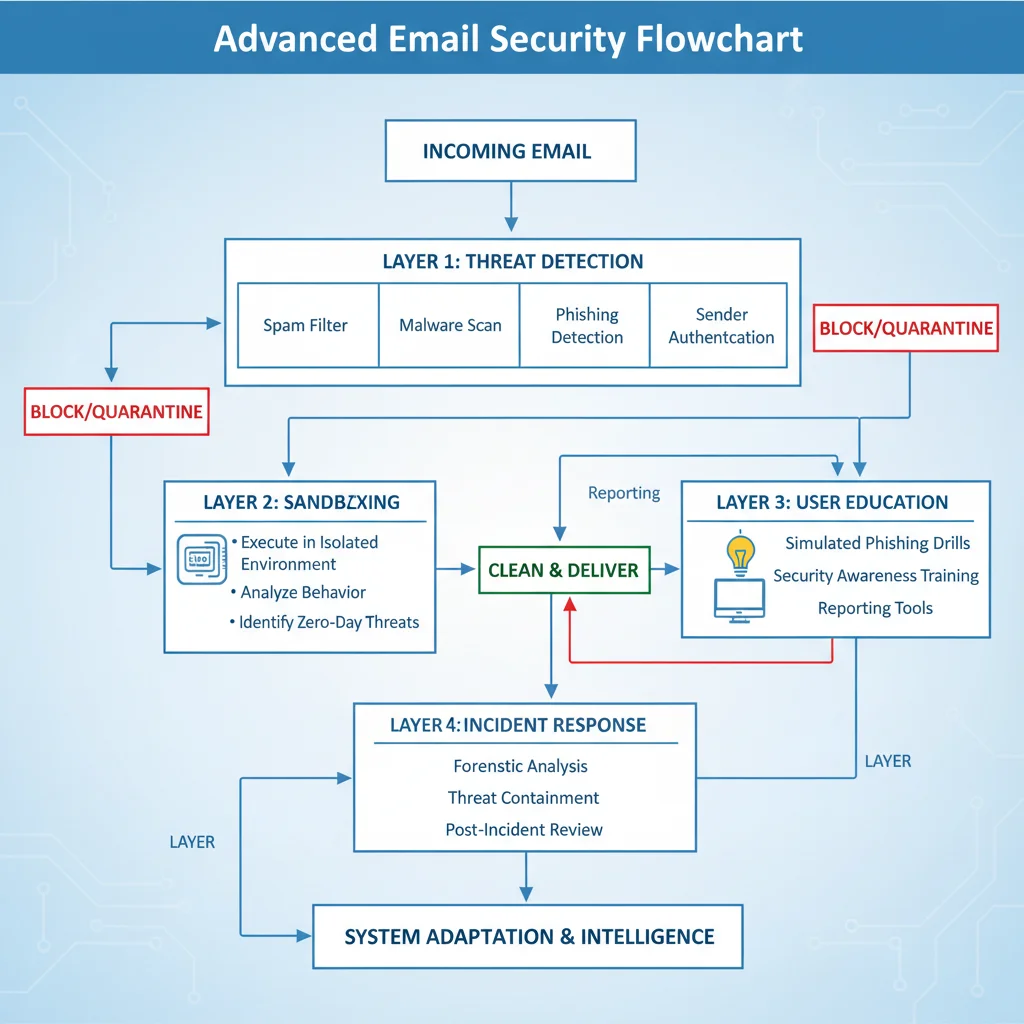
Advanced email security software goes far beyond traditional filtering, employing a multi-layered approach that integrates cutting-edge technologies to detect, prevent, and respond to even the most sophisticated phishing threats. Here are the key components and capabilities that define advanced solutions:
Artificial Intelligence and Machine Learning (AI/ML)
AI and ML algorithms are at the heart of modern email security. These technologies enable systems to:
- Behavioral Anomaly Detection: Learn normal email communication patterns for individuals and organizations. Any deviation from these patterns, such as unusual sender addresses, suspicious links, or atypical requests, can be flagged as potentially malicious.
- Natural Language Processing (NLP): Analyze the content, tone, and context of emails to identify social engineering cues that might trick users. This includes detecting urgency, threats, or requests for sensitive information that are out of character.
- Predictive Analytics: Identify emerging threat trends and proactively block new attack variations before they become widespread.
Threat Intelligence Integration
Advanced email security platforms continuously ingest and analyze global threat intelligence feeds. This includes:
- Real-time Blacklists: Automatically block emails from known malicious IP addresses, domains, and senders.
- Reputation Analysis: Assess the reputation of URLs and attachments in real-time, leveraging vast databases of known malicious indicators.
- Zero-Day Threat Protection: By correlating data from various sources, these systems can often identify and neutralize never-before-seen threats.
Sandboxing and Detonation Chambers
For suspicious attachments and links, advanced solutions employ sandboxing technology. This involves:
- Isolated Execution: Opening attachments and clicking links in a secure, isolated virtual environment (sandbox) to observe their behavior without risking the corporate network.
- Malware Analysis: Detonating potentially malicious files to identify their true intent and prevent them from reaching end-users.
URL Rewriting and Click-Time Protection
Even if a malicious URL makes it past initial filters, advanced email security provides a crucial last line of defense:
- URL Rewriting: All URLs in incoming emails are rewritten to point to a secure gateway. When a user clicks, the gateway performs a real-time scan of the destination before allowing access.
- Click-Time Analysis: This ensures that even if a benign link is later compromised, the system can block access at the moment of the click.
Impersonation Protection
BEC attacks rely heavily on impersonation. Advanced solutions use a combination of techniques to combat this:
- Domain Spoofing Detection: Identifying emails that attempt to spoof legitimate company domains or employee email addresses.
- Display Name Impersonation: Detecting when an attacker uses a familiar display name (e.g., ‘CEO John Smith’) even if the actual email address is different.
- Lookalike Domain Detection: Flagging emails from domains that are very similar to legitimate ones (e.g., ‘yourcompany.co’ instead of ‘yourcompany.com’).
Data Loss Prevention (DLP)
Beyond inbound threats, many advanced platforms include DLP capabilities to prevent sensitive information from leaving the organization via email, whether accidentally or maliciously.
By combining these powerful features, advanced email security creates a formidable barrier against the vast majority of phishing attacks, significantly reducing the risk exposure for U.S. businesses and their employees.
Strategic Implementation for a 25% Security Boost by 2026
Achieving a 25% boost in U.S. employee security against phishing by 2026 requires more than just deploying new software. It demands a holistic strategy that encompasses technology, policy, and people. Here’s a roadmap for effective implementation:
1. Comprehensive Assessment and Baseline Establishment
Before implementing any new solution, conduct a thorough assessment of your current email security posture. Identify existing vulnerabilities, analyze past phishing incidents, and establish a baseline metric for successful phishing attempts or reported suspicious emails. This baseline will be crucial for measuring the 25% improvement.
2. Selection of the Right Advanced Email Security Solution
Not all advanced email security solutions are created equal. Evaluate vendors based on their capabilities in AI/ML, threat intelligence, sandboxing, impersonation protection, and ease of integration with your existing infrastructure. Consider solutions that offer:
- Cloud-Native Architecture: For scalability, automatic updates, and global threat intelligence sharing.
- User-Friendly Interface: For administrators to manage policies and monitor threats effectively.
- Comprehensive Reporting and Analytics: To track performance, identify trends, and demonstrate ROI.
3. Phased Deployment and Integration
Implement the chosen solution in phases to minimize disruption. Start with a pilot group, gather feedback, and fine-tune configurations before a full rollout. Ensure seamless integration with your existing email infrastructure (e.g., Microsoft 365, Google Workspace).
4. Continuous Employee Training and Awareness Programs
Technology alone is not enough. Employees are the first line of defense. Implement regular, engaging, and up-to-date security awareness training programs that focus specifically on phishing. Key elements include:
- Simulated Phishing Attacks: Conduct periodic, realistic phishing simulations to test employee vigilance and identify areas for improvement.
- Interactive Training Modules: Move beyond passive lectures to interactive modules that teach employees how to identify different types of phishing attacks.
- Reporting Mechanisms: Establish clear and easy-to-use channels for employees to report suspicious emails without fear of reprimand.
- Gamification: Make training engaging through quizzes, leaderboards, and rewards for high performers.
5. Incident Response Planning and Automation
Even with advanced email security, some threats may still slip through. A robust incident response plan is crucial. This includes:
- Automated Remediation: Solutions that can automatically quarantine or delete malicious emails across all inboxes once a threat is confirmed.
- Clear Communication Protocols: How to inform employees and stakeholders during an incident.
- Forensic Capabilities: Tools to investigate the scope and impact of a breach.
6. Regular Review and Optimization
The threat landscape is constantly changing. Your email security strategy must evolve with it. Regularly review your security policies, analyze threat reports from your advanced email security solution, and adapt your training programs. Stay informed about the latest phishing techniques and ensure your defenses are always up-to-date.
By meticulously following these steps, U.S. businesses can create a formidable defense against phishing, moving closer to our goal of a 25% security boost by 2026. This proactive approach will not only protect valuable assets but also foster a culture of security consciousness within the organization.
Measuring Success: Quantifying the 25% Boost
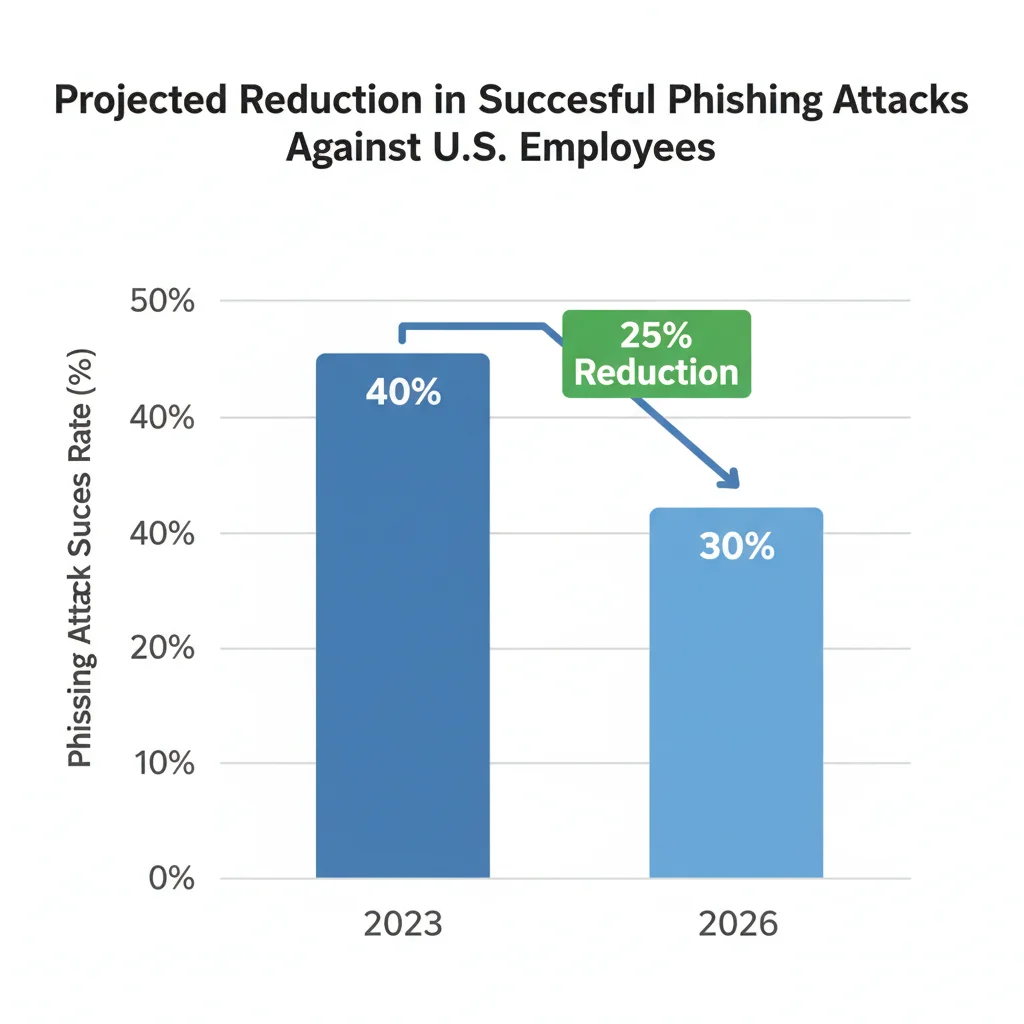
To truly claim a 25% boost in employee security, organizations need clear metrics and consistent measurement. Here’s how to track progress:
- Reduction in Successful Phishing Attacks: This is the most direct measure. Track the number of phishing emails that successfully bypass filters and lead to a user clicking a malicious link or divulging credentials.
- Improvement in Phishing Simulation Scores: Monitor the click-through rates and reporting rates during simulated phishing campaigns. A decrease in clicks and an increase in reported suspicious emails indicate improved employee awareness and vigilance.
- Decrease in Incident Response Time: Faster detection and remediation of any phishing incidents that do occur.
- Reduction in Security-Related Help Desk Tickets: Fewer employee reports of suspicious emails or compromised accounts suggest greater effectiveness of the advanced email security system.
- Lowered Cost of Security Incidents: A tangible reduction in financial losses associated with phishing-related breaches.
By regularly reviewing these metrics against the established baseline, businesses can quantitatively demonstrate the impact of their advanced email security investments and track their journey towards the 25% security improvement target.
The Future of Phishing Protection: Emerging Trends
As we look towards 2026 and beyond, the threat landscape will continue to evolve. Advanced email security solutions will also need to adapt. Here are some emerging trends to watch:
- AI vs. AI: The arms race between AI-powered defenses and AI-driven phishing attacks will intensify. Attackers will leverage AI to create more convincing deepfake phishing attempts and highly personalized social engineering campaigns.
- Quantum-Resistant Cryptography: While still nascent, the development of quantum computers could eventually break current encryption standards. Future email security will need to incorporate quantum-resistant cryptographic methods.
- Identity-Centric Security: A greater focus on verifying user identities beyond just email addresses, incorporating multi-factor authentication (MFA) and continuous adaptive authentication (CAA) more deeply into the email workflow.
- Integrated Security Platforms: Email security will become even more integrated into broader Extended Detection and Response (XDR) or Security Information and Event Management (SIEM) platforms, offering a unified view of threats across the entire IT environment.
- Enhanced DMARC, DKIM, and SPF Adoption: While not new, the stricter enforcement and broader adoption of these email authentication protocols will become even more critical in combating email spoofing.
Staying ahead of these trends will be paramount for maintaining a strong defense. Continuous investment in research and development, alongside agile adaptation of security strategies, will ensure that U.S. businesses remain resilient against future phishing threats.
Conclusion: A Secure Future with Advanced Email Security
The goal of boosting U.S. employee security against phishing by 25% by 2026 is ambitious but entirely achievable. It hinges on a fundamental shift from reactive, traditional security measures to proactive, intelligent advanced email security solutions. By leveraging the power of AI/ML, comprehensive threat intelligence, sandboxing, and robust impersonation protection, businesses can significantly reduce their attack surface and protect their most valuable asset: their employees.
However, technology is only one piece of the puzzle. A strong security culture, fostered through continuous and engaging employee training, coupled with well-defined incident response plans, forms the bedrock of a truly resilient defense. As cyber threats continue to evolve, so too must our defenses. Embracing advanced email security is not just an upgrade; it’s an investment in the long-term security and prosperity of U.S. businesses in the digital age. The time to act is now, to build a safer, more secure future for all employees.